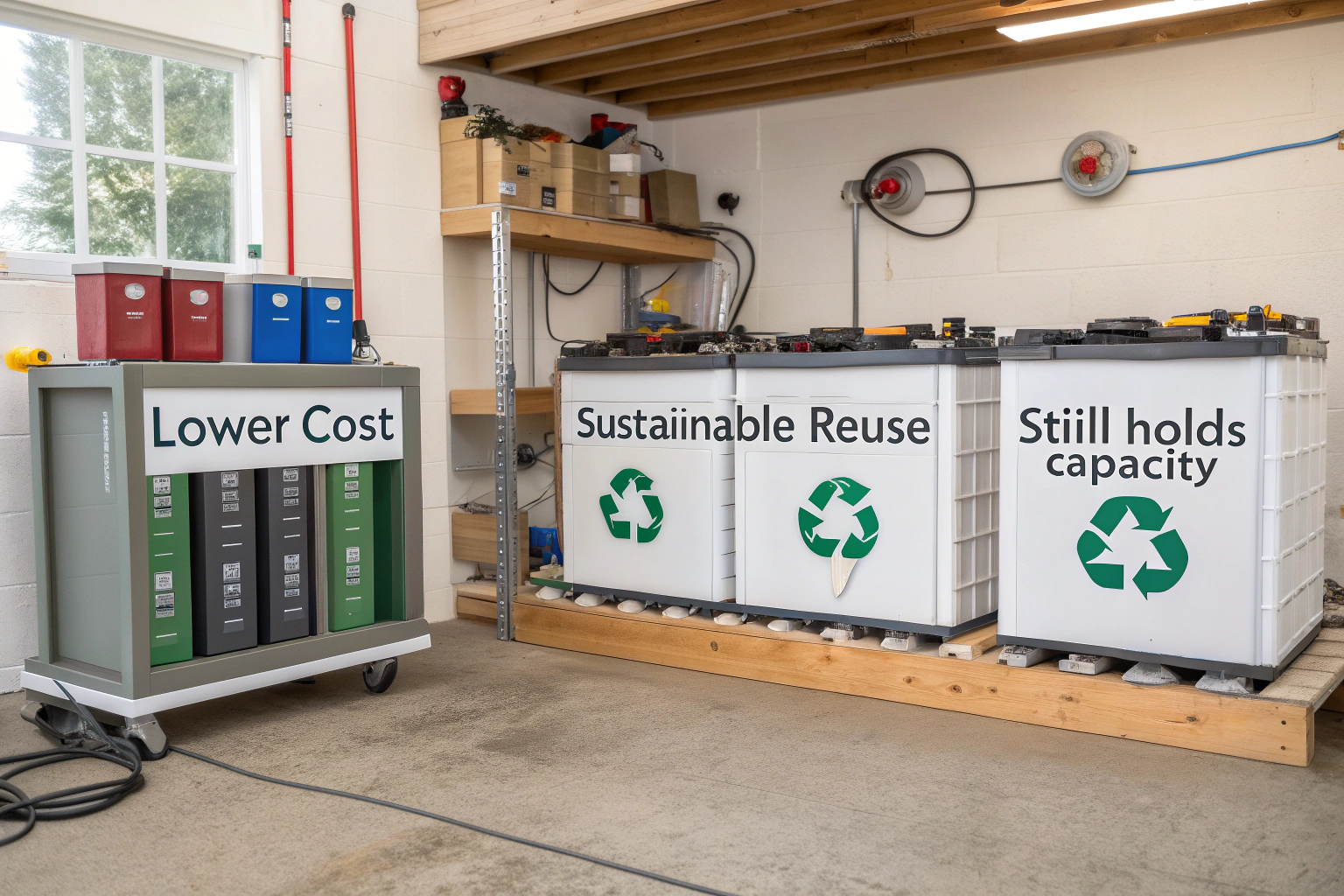
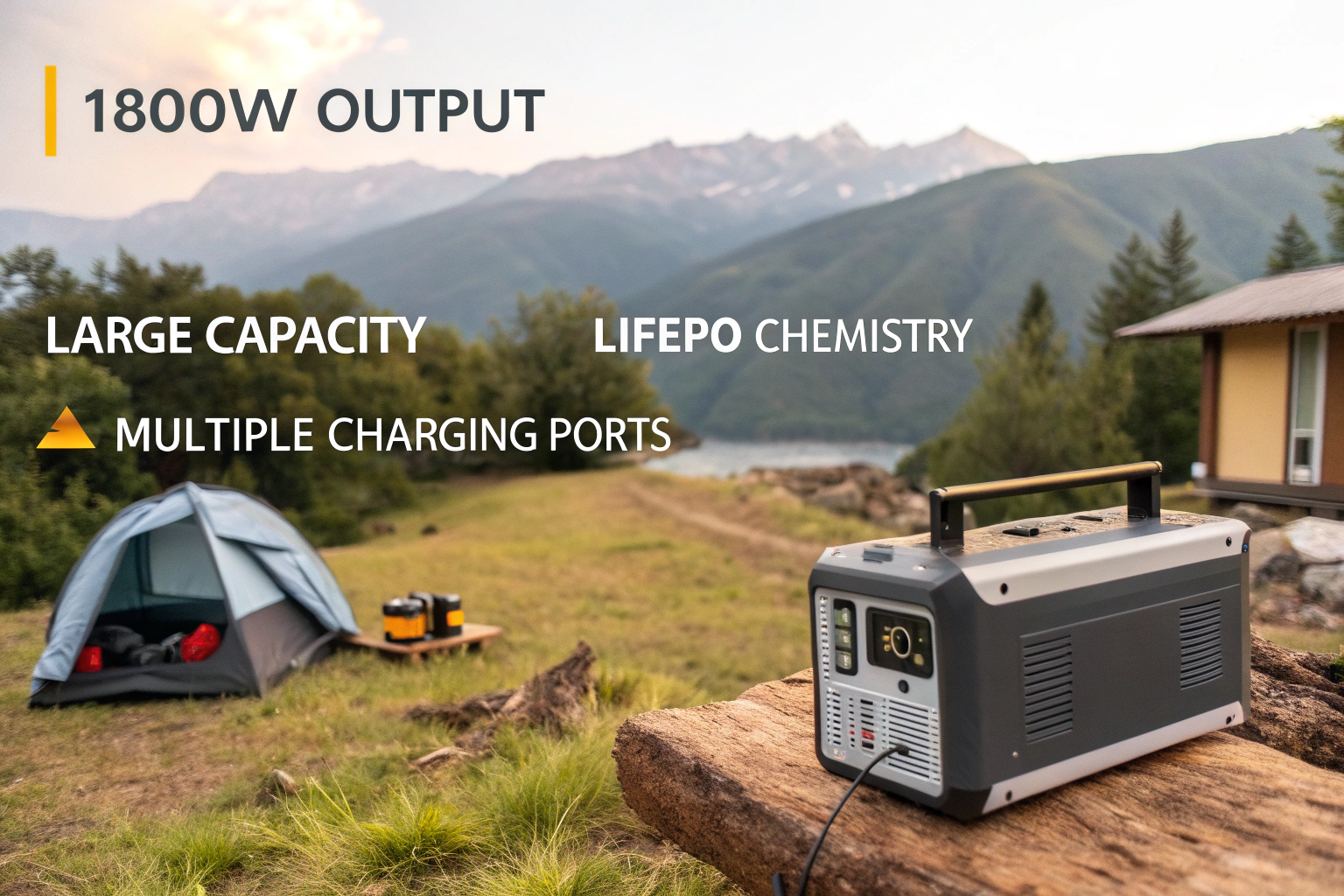
You’ve seen the price tags—LiFePO₄ batteries cost a lot more than old-school lead-acid. So what’s behind the higher price?
LiFePO₄ batteries cost more than lead-acid because they use advanced materials, last significantly longer, and offer better safety and performance—making them a long-term investment.
At first glance, lead-acid batteries seem like the obvious choice. But when you look beyond the price tag, the story changes. Let’s break down the real cost of both and why LiFePO₄ wins over time.
What’s Inside Each Battery That Affects Price?
The materials and structure inside each battery type are what drive cost—and performance.
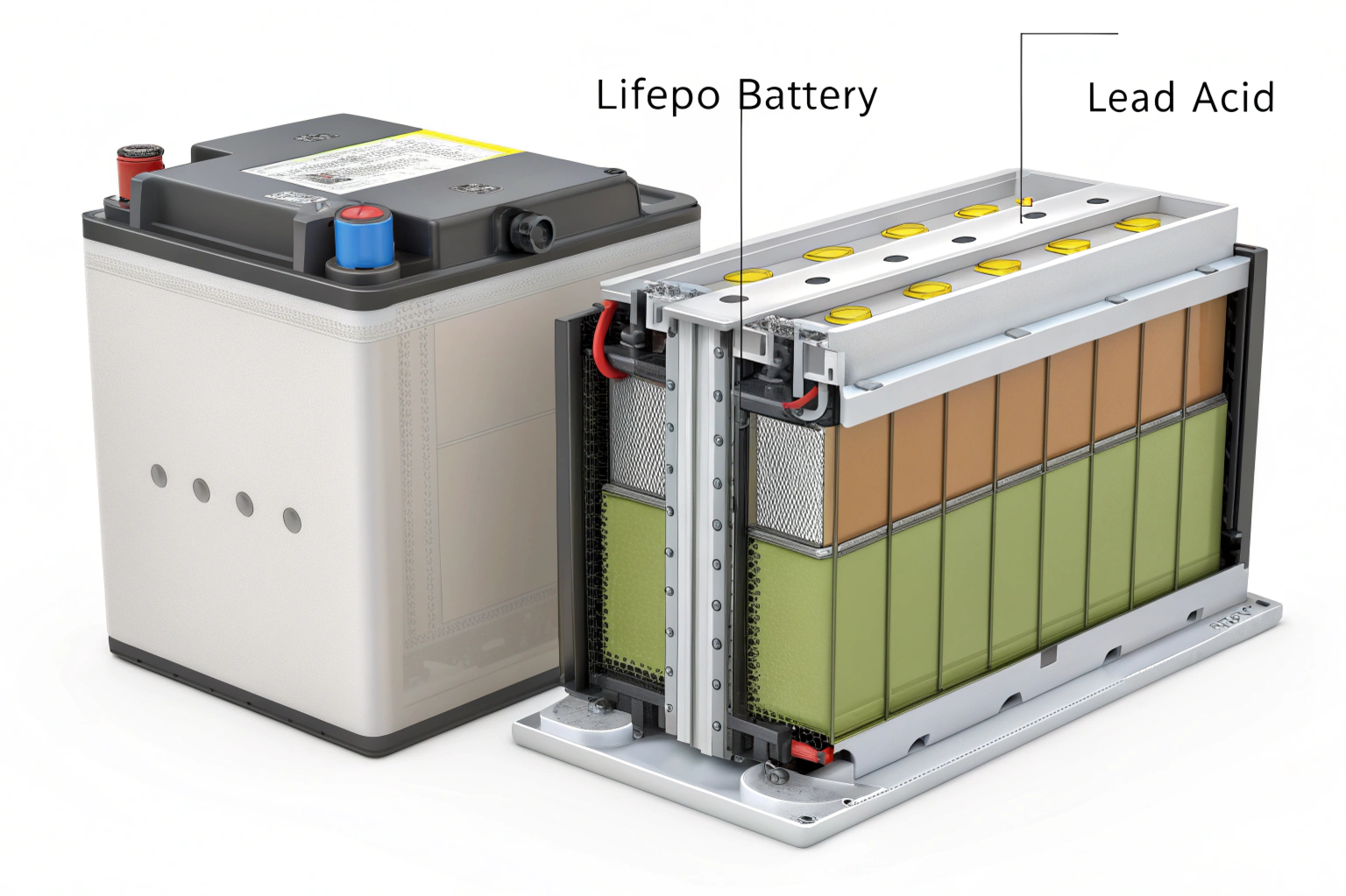
LiFePO₄ batteries use lithium, iron, and phosphate materials with precise manufacturing and internal electronics, while lead-acid batteries use cheaper lead plates and sulfuric acid.
Here’s what you’re paying for:
- LiFePO₄ cells require advanced production and stable chemistry
- Built-in BMS systems protect against overcharging or heat
- Precision balancing ensures long-term performance
- Higher density components increase cost per cell
In contrast, lead-acid batteries are simpler and have been mass-produced for over a century, keeping costs low.
| Component | LiFePO₄ Battery | Lead-Acid Battery |
|---|---|---|
| Main Material | Lithium Iron Phosphate | Lead Plates |
| Protection System | Yes (BMS) | No |
| Manufacturing Complexity | High | Low |
| Weight per Capacity | Low | High |
| Design Lifespan | 8–12 years | 1–3 years |
So while you pay more for a LiFePO₄ battery up front, you’re also getting more advanced technology.
Do LiFePO₄ Batteries Actually Last Longer?
This is where the value starts to show. What if one battery outlasts three others?
*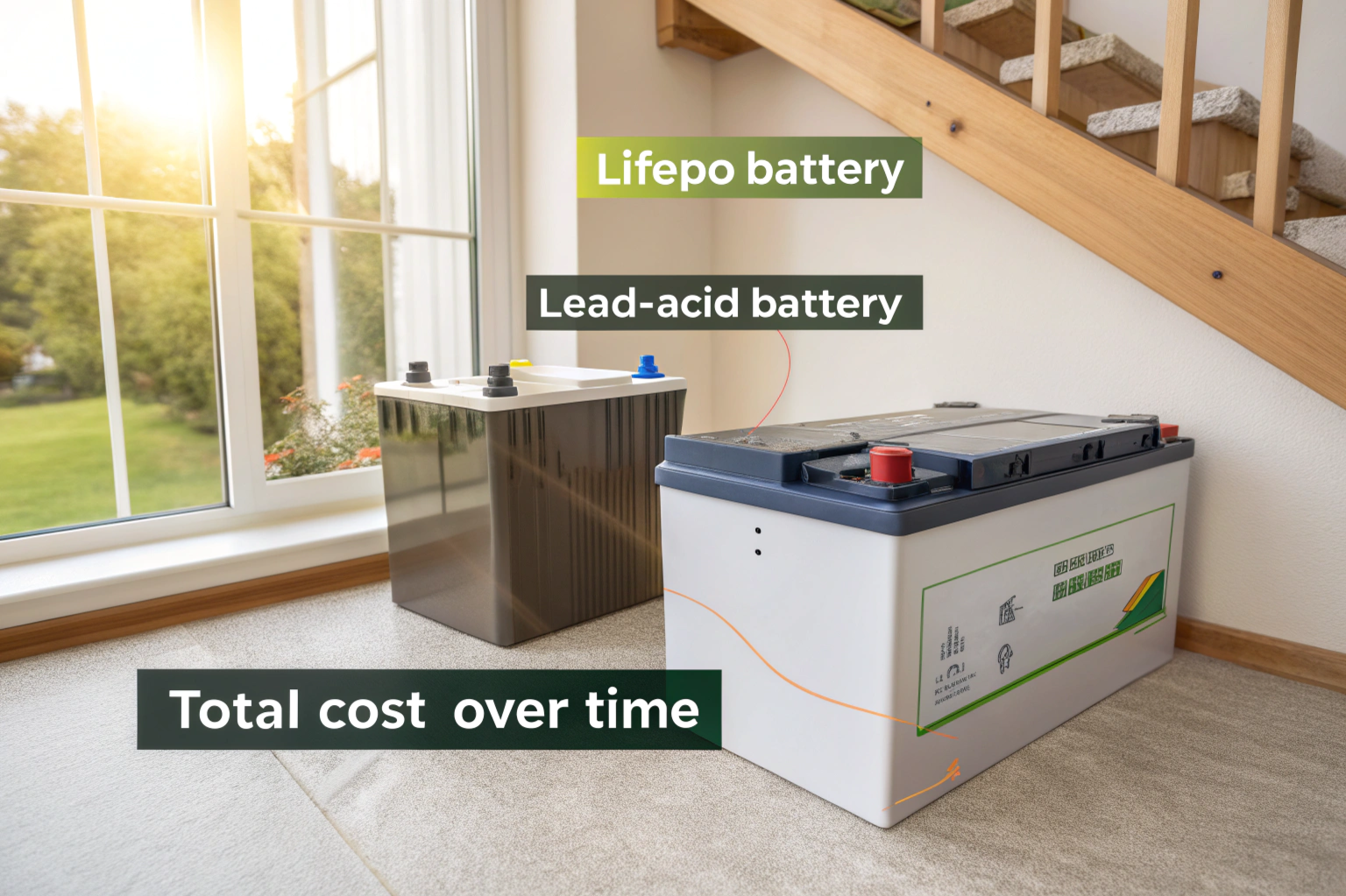
That’s about 8–12 years of daily use versus just 1–2 years. And they don’t need topping up with water, sulfation repair, or temperature-sensitive storage.
| Battery Type | Cycle Life | Maintenance | Depth of Discharge |
|---|---|---|---|
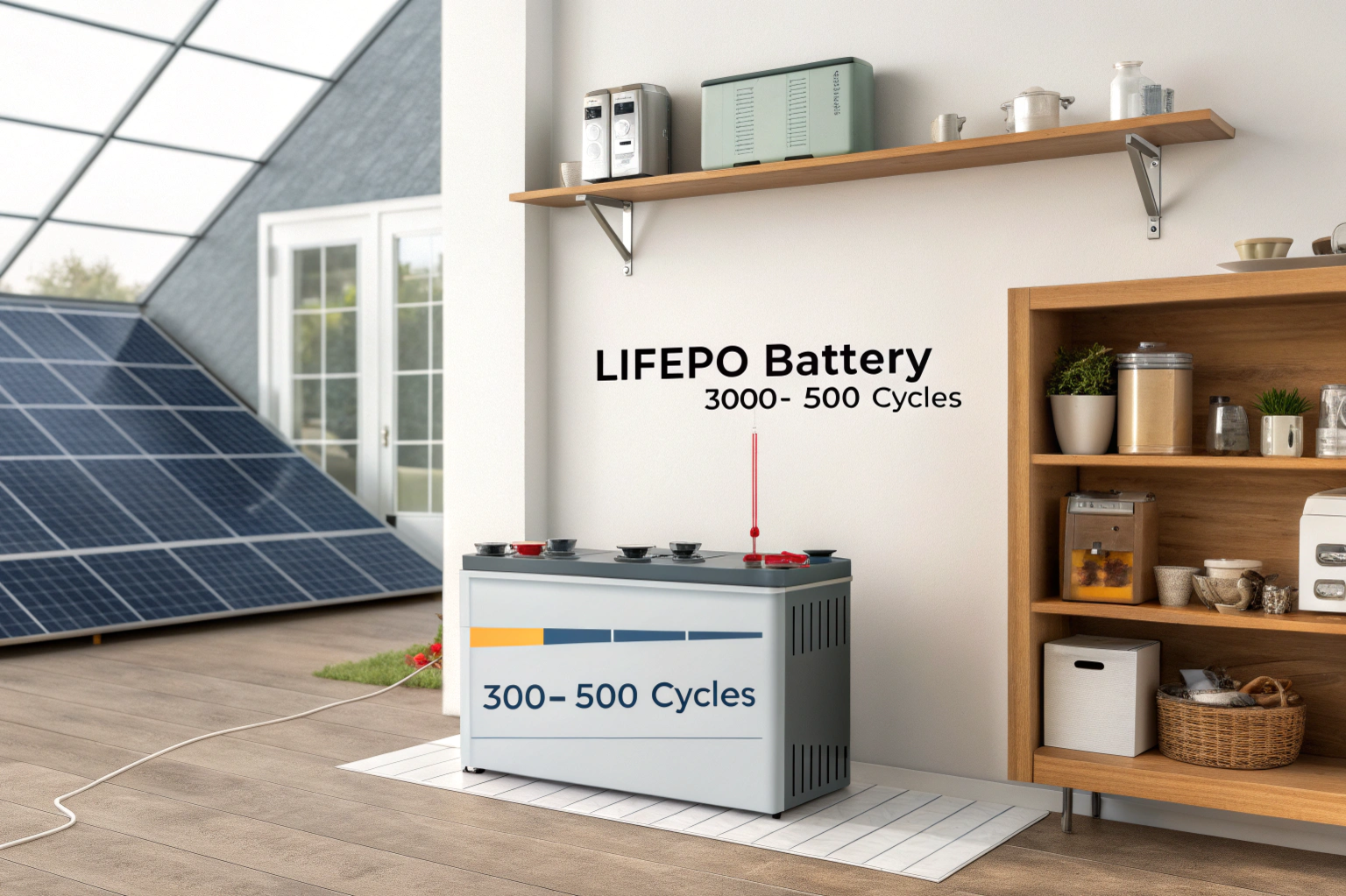
| Lead-Acid | 300–500 | Frequent | 50% recommended |
| LiFePO₄ | 3000–5000+ | Minimal | 80–100% usable |
For solar storage, off-grid systems, and backup power, replacing batteries every few years becomes expensive and inconvenient. I’ve seen LiFePO₄ batteries run stable for over a decade with almost no decline in performance.
What About Safety and Performance?
A cheaper battery isn’t worth it if it puts your equipment—or home—at risk.
LiFePO₄ batteries are safer than lead-acid. They don’t leak, release gas, or overheat as easily, and they work better in more demanding environments.
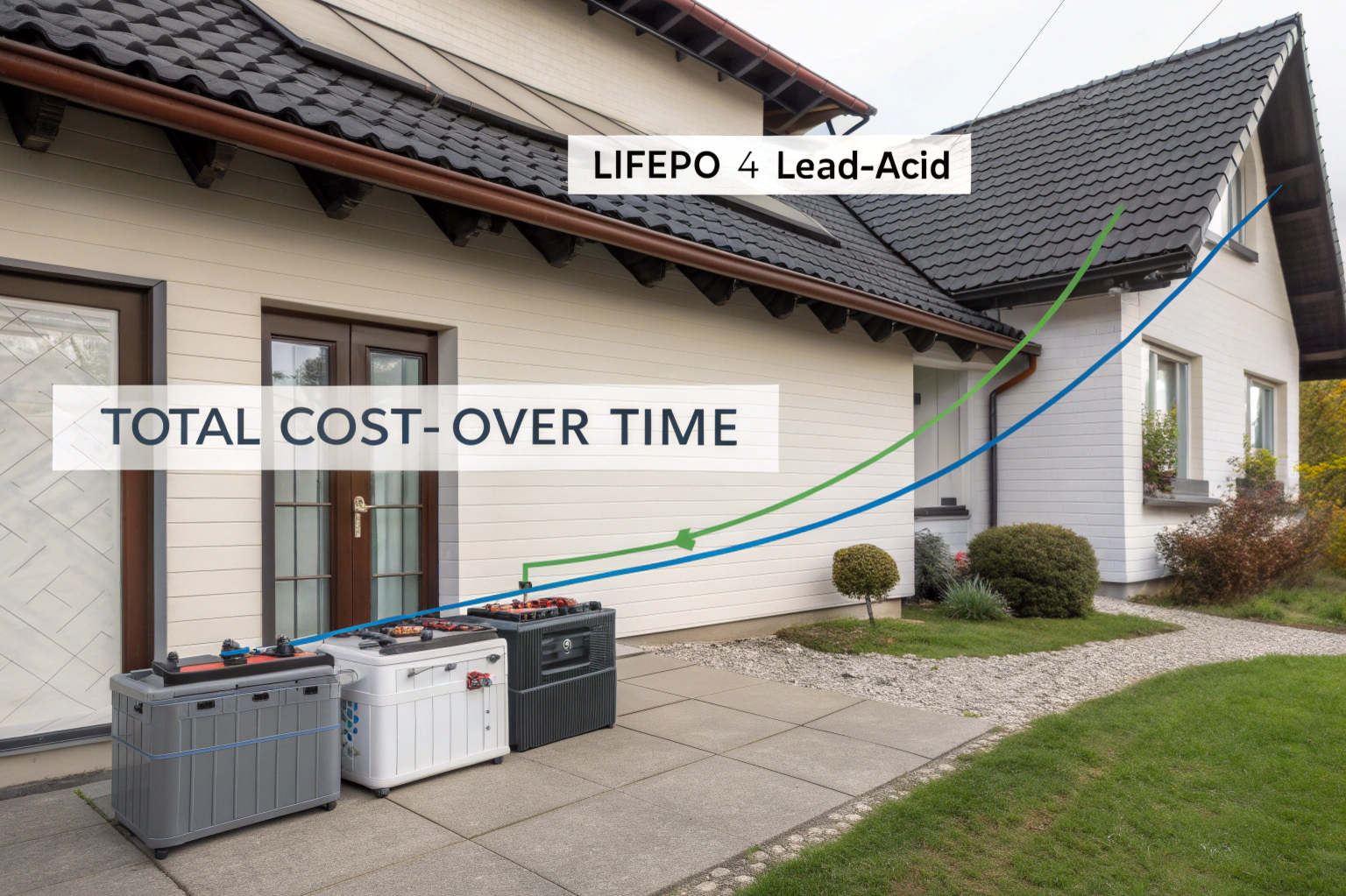
Lead-acid batteries can emit hydrogen gas during charging and are sensitive to deep discharge or temperature changes. They also contain corrosive acid that can spill or leak.
LiFePO₄ batteries, on the other hand:
- Are non-toxic and thermally stable
- Have built-in short circuit and overcharge protection
- Can be used indoors with no venting required
- Are lightweight and compact with higher energy per kg
| Safety Feature | LiFePO₄ Battery | Lead-Acid Battery |
|---|---|---|
| Spill Risk | None | High (acid) |
| Gas Emissions | None | Yes (hydrogen) |
| Temperature Tolerance | -20°C to 60°C | 0°C to 40°C |
| Indoor Safe Use | Yes | Needs ventilation |
For families, campers, or off-grid homeowners, this makes a huge difference.
Do They Save Money Over Time?
A higher price only makes sense if it saves money later. So, do they?
Yes, LiFePO₄ batteries cost more upfront but last 4–6 times longer, need less maintenance, and hold more usable energy—making them cheaper in the long run.
Here’s a real-world cost comparison:
| Battery Type | Upfront Cost | Life (Years) | Replacements Needed (10 yrs) | Total Cost Over 10 Years |
|---|---|---|---|---|
| Lead-Acid | $300 | 2–3 | 3–5 | $900–$1500 |
| LiFePO₄ | $800 | 8–12 | 0–1 | $800–$900 |
So even though you pay more in year one, you save hundreds by year ten. I’ve personally replaced cheap batteries every 2 years. Once I switched to LiFePO₄, I stopped worrying about it.
When Is It Worth Paying More?
Not everyone needs top-of-the-line—so when does it really make sense?
LiFePO₄ batteries are worth the higher cost when you need long-term, safe, and maintenance-free power for solar storage, backup, or portable power setups.
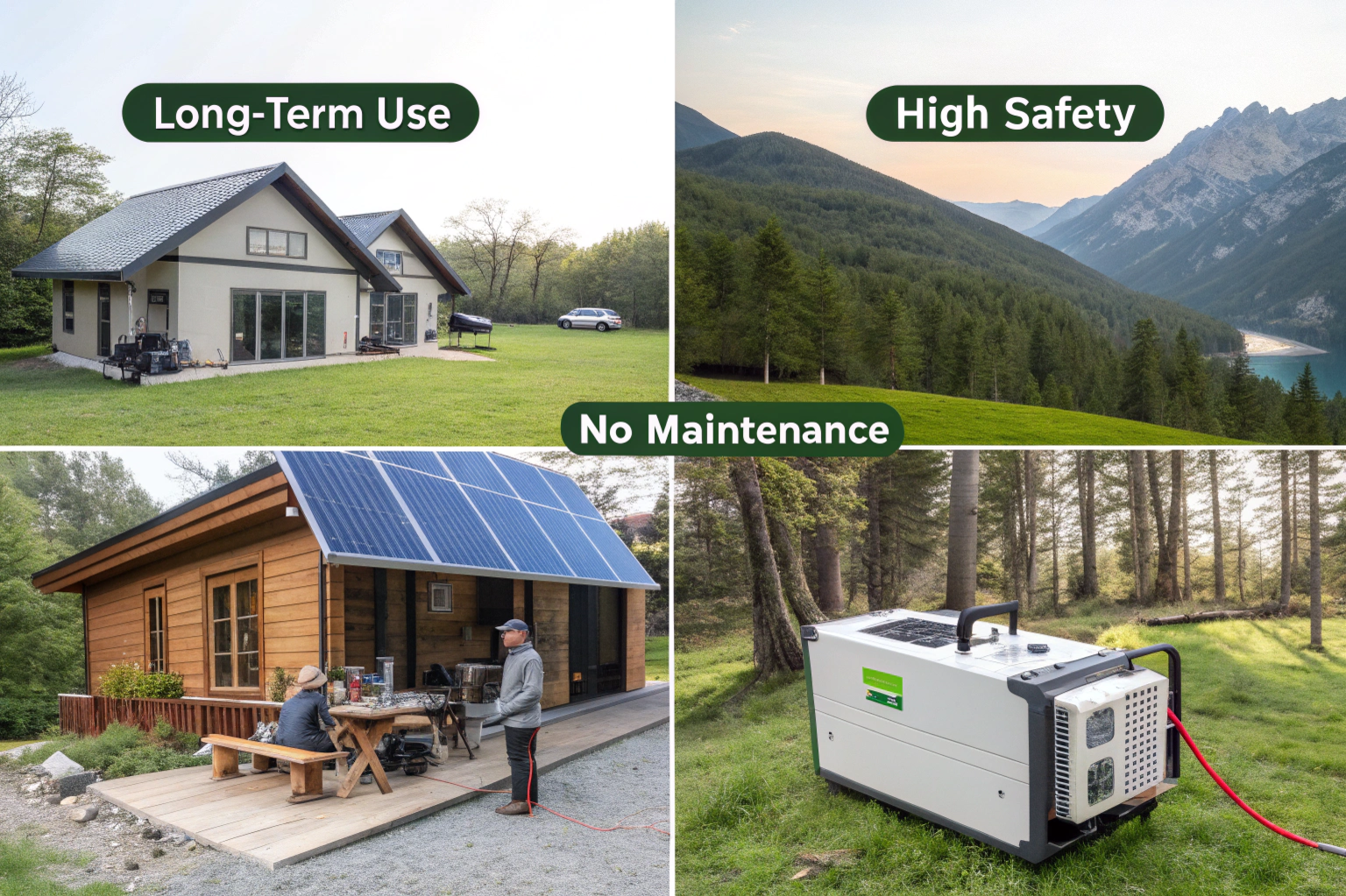
Here’s when I recommend LiFePO₄:
- Solar storage where daily cycles matter
- Off-grid setups where reliability is key
- Portable power stations that must be light and safe
- Home backup systems where safety and lifespan matter
- RV and marine systems where space and weight are limited
But if you only need short-term power or can maintain lead-acid units yourself, the cheaper option might work—just know it comes with trade-offs.
Conclusion
LiFePO₄ batteries are more expensive than lead-acid because they use better materials, last longer, perform safer, and require less maintenance. Over time, they offer better value—and peace of mind—for most users.