You’ve got solar panels—or plan to get them—but what happens when the sun goes down? That’s where home batteries change everything.
Using batteries for home energy storage allows you to save solar energy, reduce grid use, cut electricity bills, and keep your lights on during blackouts.
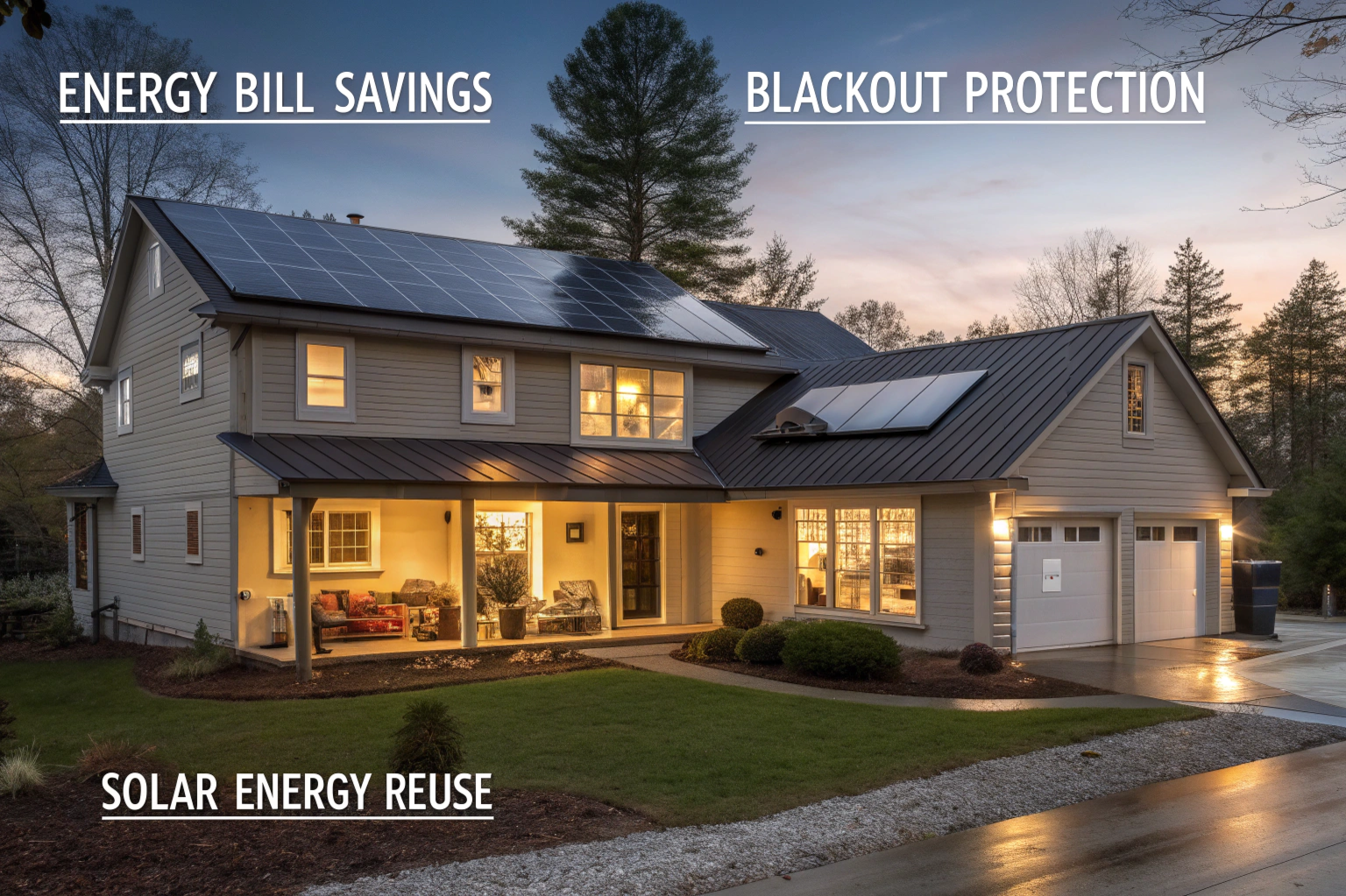
As energy costs rise and weather becomes more extreme, home batteries are becoming essential. Let’s look at the real advantages and why more homeowners are making the switch.
How Do Home Batteries Help Save Energy?
Solar panels work great during the day—but what about at night or during storms?
Home batteries store extra solar power during the day so you can use it at night, reducing your reliance on the grid.
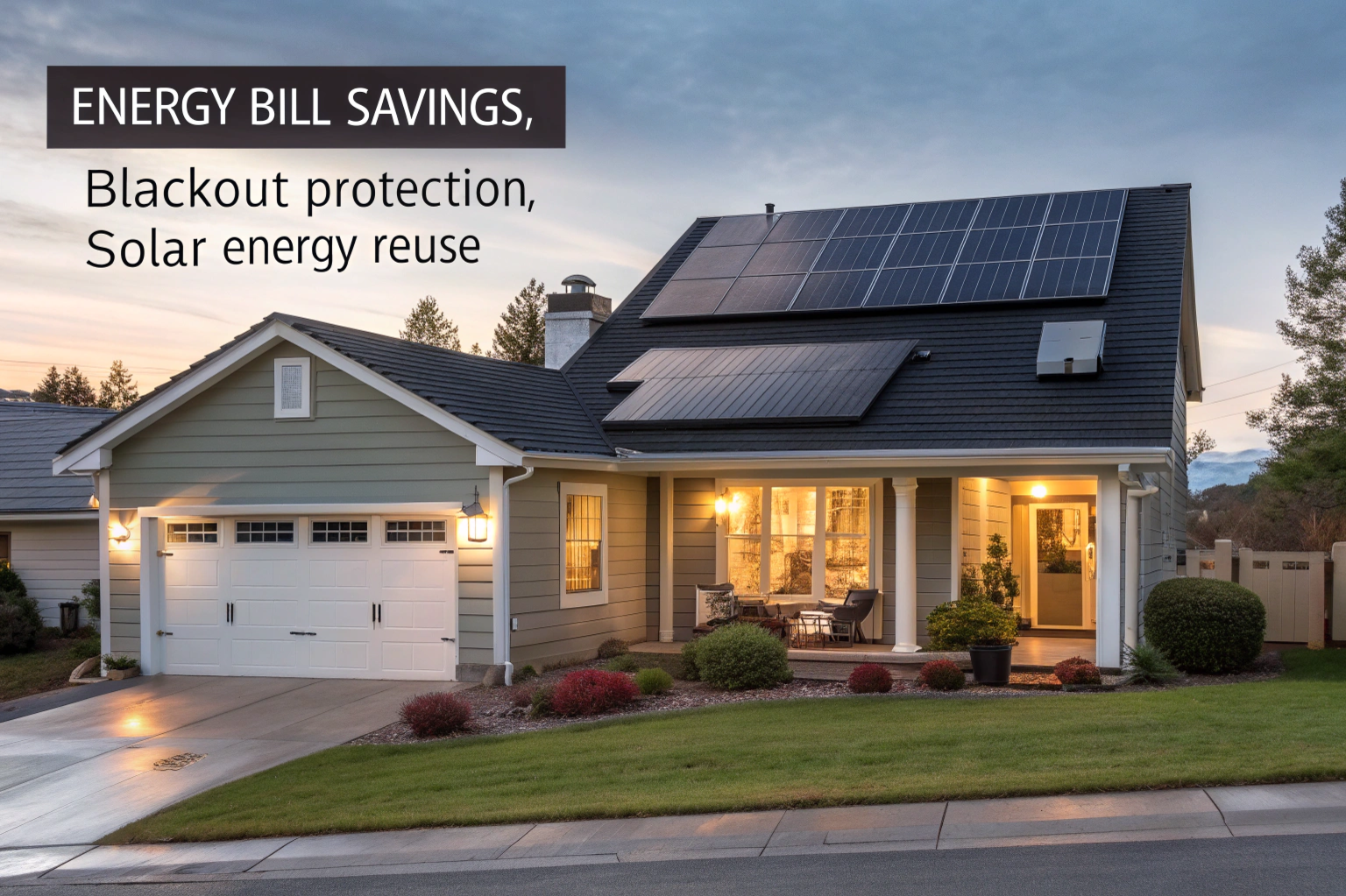
Here’s how it works:
- Your solar panels charge your battery during daylight
- You use stored power at night instead of pulling from the grid
- If your panels produce more than you use, your battery holds the extra
This smooths out your energy usage and keeps you powered even when the grid isn’t. I’ve used batteries to run lights, fans, Wi-Fi, and even a fridge at night—without touching the grid.
| Time of Day | Solar Production | Battery Action | Grid Use |
|---|---|---|---|
| Morning | Low | Pulls from battery | Low or none |
| Midday | High | Charges battery | Low |
| Evening | None | Discharges battery | Low or none |
| Overnight | None | Battery (if full) or grid | Low to moderate |
It’s one of the simplest ways to boost your energy independence.
Can Home Batteries Lower Electricity Bills?
Nobody likes a high electric bill. So can a battery really help?
Yes, batteries lower electricity bills by storing cheap or free energy and reducing peak-hour grid usage when rates are highest.
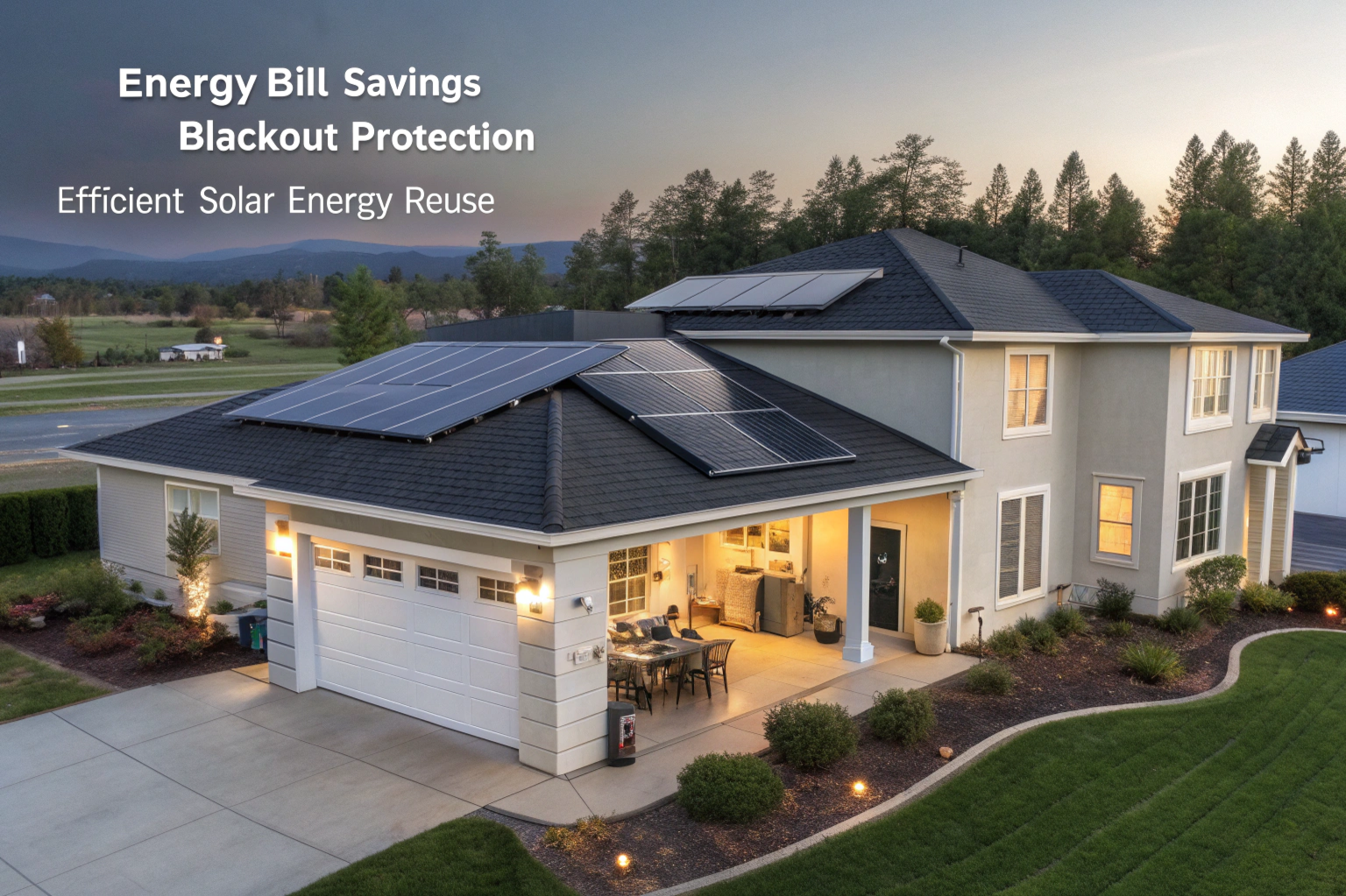
In many areas, utilities charge more during peak hours. If your battery is full, you can use it instead of expensive grid power. Some users also charge batteries with off-peak grid energy (if solar isn’t available), then use it during peak times.
Here’s what I’ve seen in practice:
- 20–50% reduction in monthly energy bills
- Avoiding peak usage rates
- Less stress about running AC or appliances at night
| Method | Result |
|---|---|
| Solar charging battery | Free power at night |
| Time-of-use shifting | Cheaper grid rates |
| Backup during outages | Avoids food loss, generator cost |
For families on tight budgets or in high-rate regions, the savings add up quickly.
What About Backup Power During Blackouts?
Storms, grid failures, or overloaded systems—power outages are more common than ever.
A battery backup system keeps your home running during outages, powering lights, phones, and essential appliances when the grid goes down.
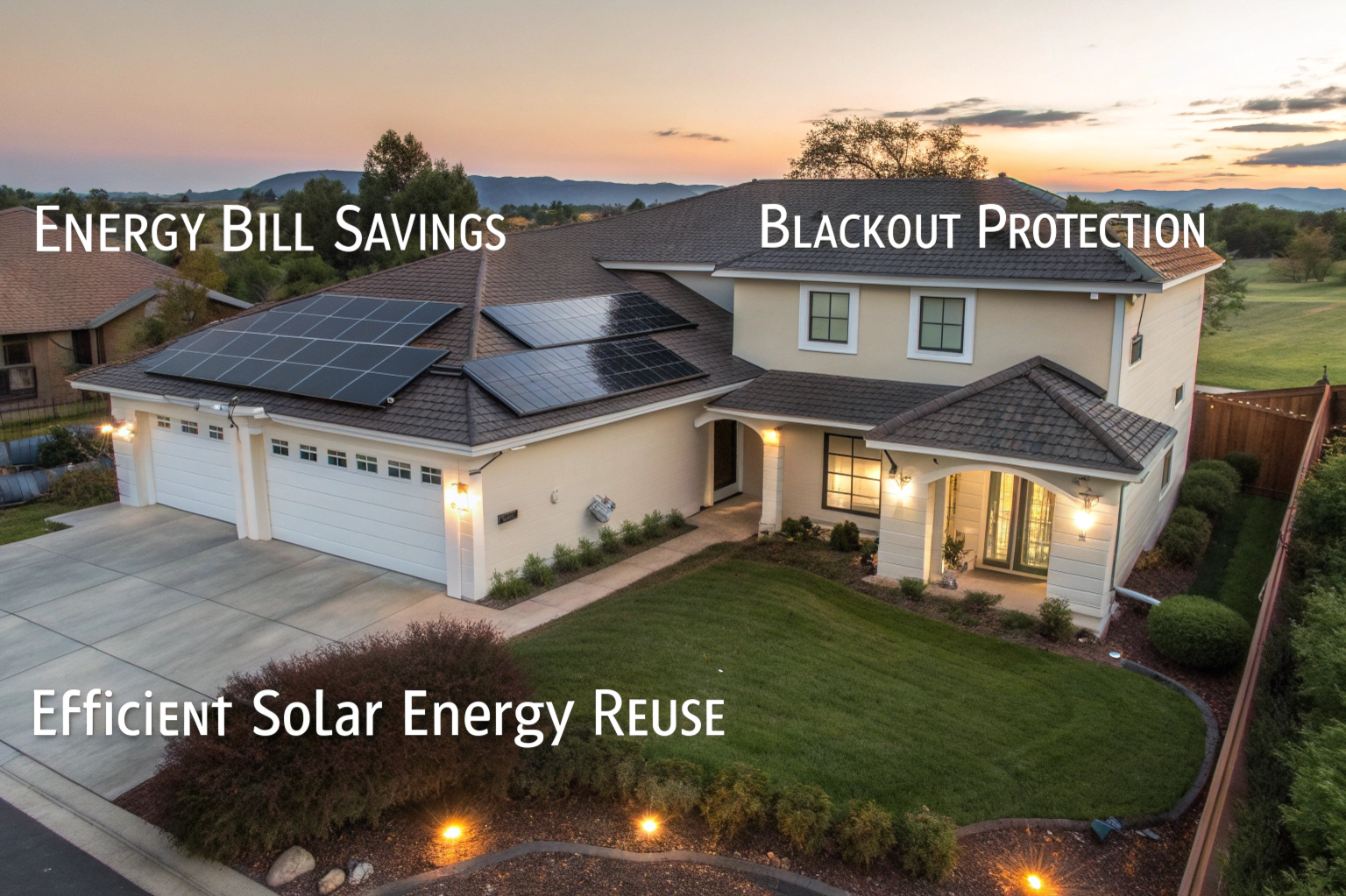
When paired with solar, a battery can charge during the day and run essential systems through the night. You can also run:
- Wi-Fi routers
- Medical devices
- Fans or heaters
- Refrigerators
This peace of mind is hard to overstate. I’ve used battery backups during blackouts more than once—and it’s a huge relief not fumbling with candles or worrying about food spoilage.
| Device | Power Need | Run Time on 2kWh Battery |
|---|---|---|
| LED lights (4) | 40W | 50 hours |
| Wi-Fi router | 10W | 200 hours |
| Refrigerator | 150W | 12–15 hours |
| CPAP machine | 40W | 40–45 hours |
No noise, no gas, no setup—just instant power when you need it most.
Are Batteries Good for the Environment?
You care about clean energy—but does a battery help?
Yes, home batteries reduce fossil fuel use, increase solar efficiency, and lower your carbon footprint by storing and using clean energy.
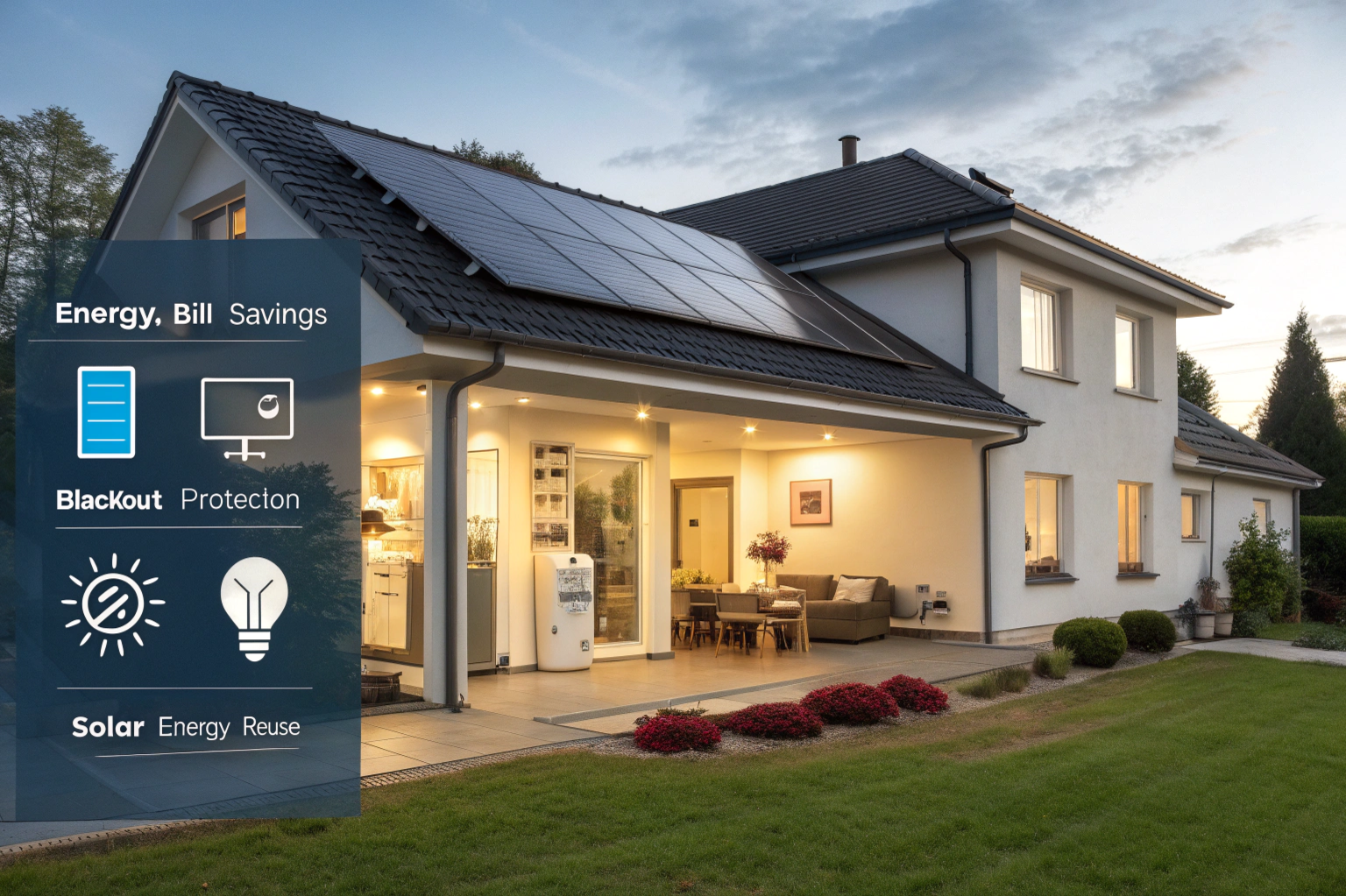
Without a battery, excess solar power often goes unused or gets pushed to the grid at a low rate. With a battery, every bit of clean energy can be stored and used later—less waste, more impact.
Plus, reducing peak grid demand means utilities burn less coal or gas to keep up. That’s a direct environmental win.
| Impact Area | Benefit with Battery |
|---|---|
| Solar Efficiency | Maximized by storing surplus |
| Grid Demand | Lower during peak hours |
| Fossil Fuel Usage | Reduced via cleaner self-use |
| Emissions | Lower carbon output |
If you’re trying to live greener or offset your solar investment, batteries help you make the most of every ray of sunshine.
Can I Use Batteries Without Solar?
You might not have panels—yet. Are batteries still useful?
Yes, you can use batteries as backup power or for time-of-use savings even without solar, by charging them from the grid during off-peak hours.
This is common in areas with tiered electricity pricing. You charge your battery at night when power is cheap, then use it during the day when prices rise.
It’s also great for renters or anyone waiting to install solar. In some cases, you can even move the battery if you change homes.
| Use Case | Works Without Solar? |
|---|---|
| Backup Power | Yes |
| Time-of-Use Shifting | Yes |
| Long-Term Savings | Partial |
| Green Energy Use | Only with solar |
If you’re not ready for solar, starting with a battery gives you flexibility and prepares your home for cleaner energy in the future.
Conclusion
Home energy storage batteries help you save money, store solar power, stay safe during blackouts, and reduce your environmental impact. They’re smart, silent, and one of the best energy upgrades you can make today.