You need power but don’t want noise, fuel, or pollution—portable solar generators offer a clean, quiet solution.
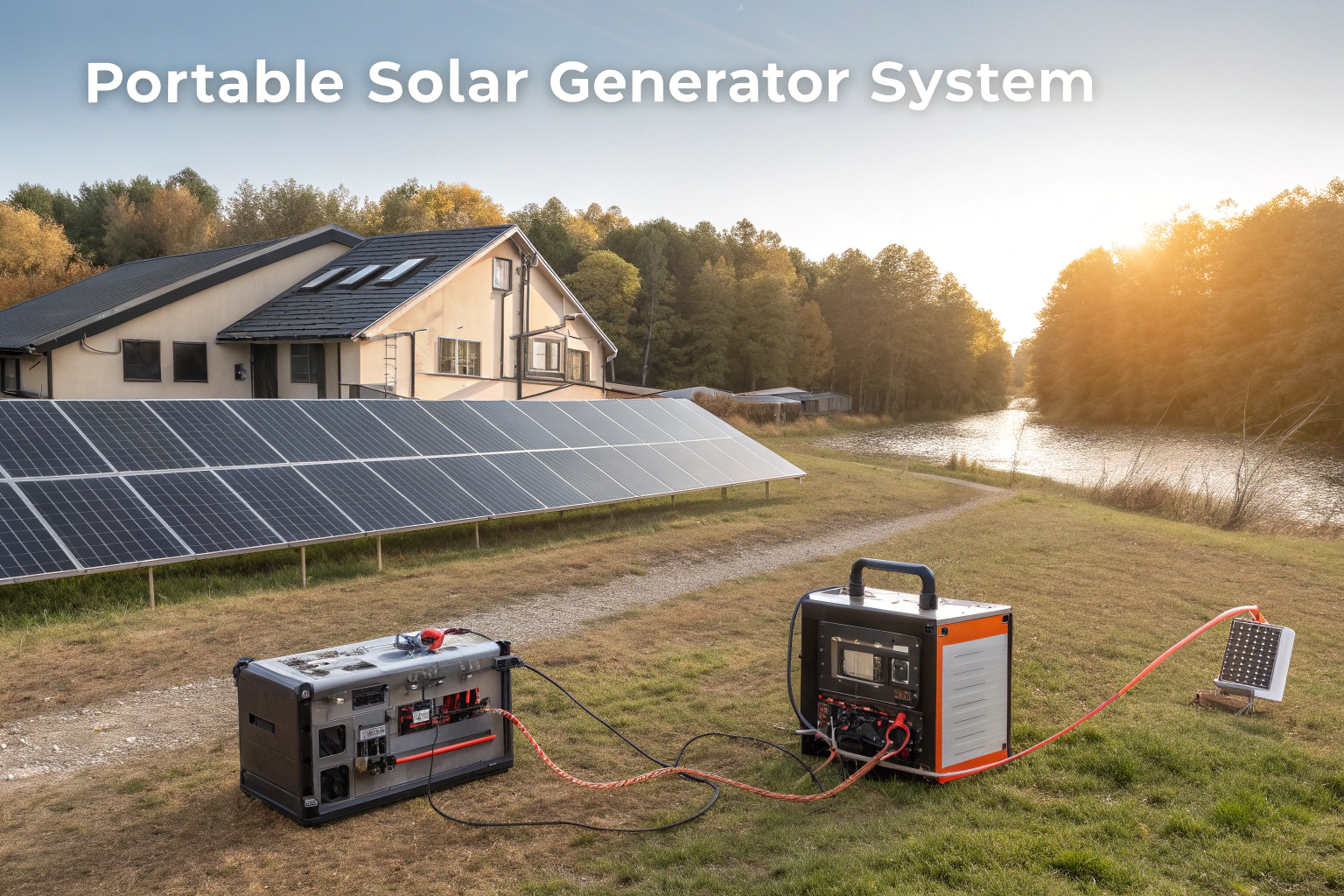
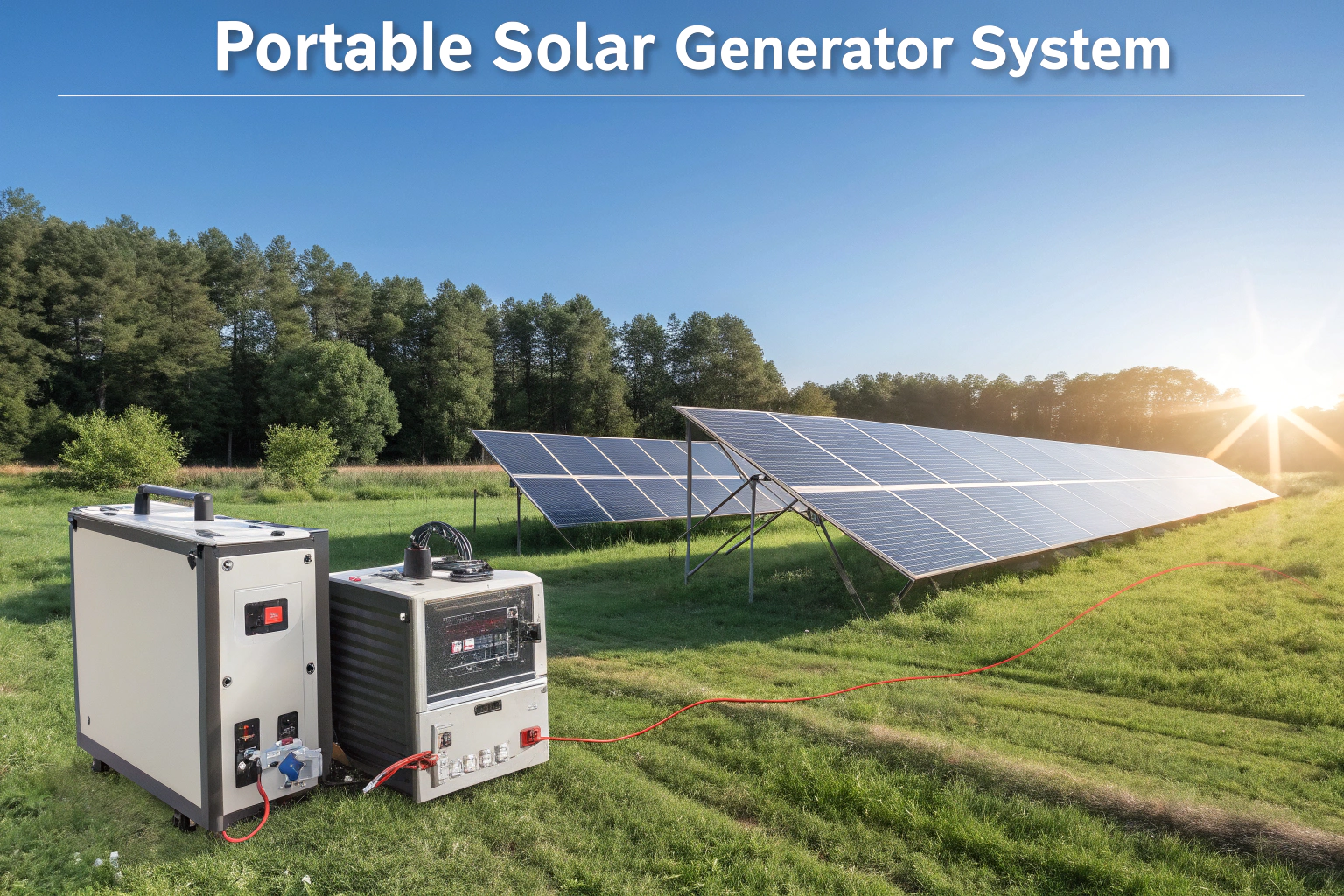
Portable solar generators use sunlight to generate power through solar panels, storing it in batteries for charging devices or running appliances. They are perfect for outdoor, emergency, or off-grid use.
 ! portable solar generators promise clean energy without hassle. But what exactly are they, how do they work, and which one should you choose?
How Does a Portable Solar Generator Work?
Power from the sun sounds great. But how does it actually become usable electricity for your phone, fridge, or fan?
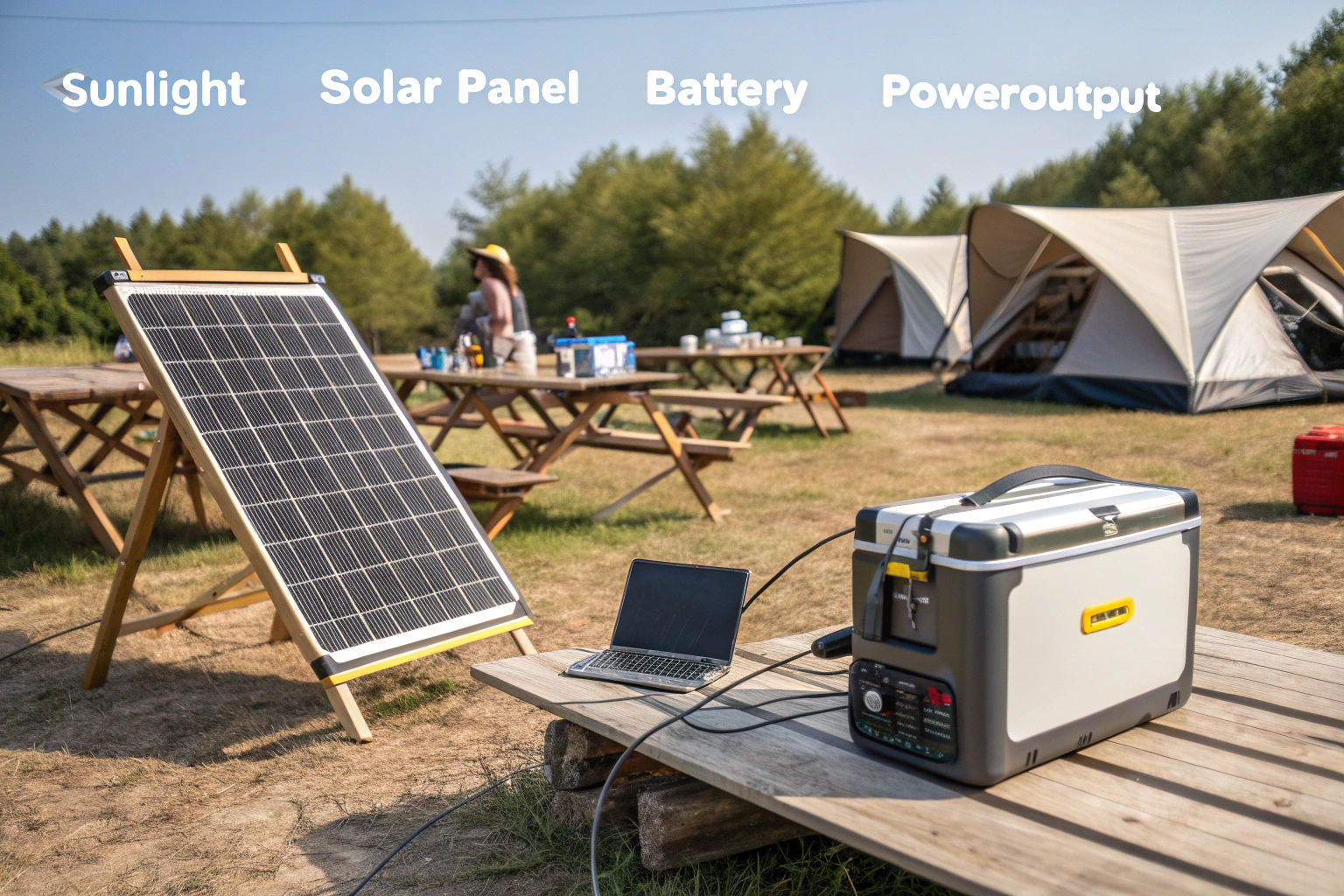
A portable solar generator uses solar panels to capture sunlight, a controller to regulate power, a battery to store it, and an inverter to convert it to usable AC or DC electricity.
Here’s what happens step-by-step: First, solar panels absorb sunlight and convert it to direct current (DC). That current flows into a charge controller, which protects the battery from overcharging. The energy is stored in a lithium or LiFePO4 battery. When you need to use the power, an inverter converts it into alternating current (AC), which most home appliances use. Some devices also run directly on DC ports or USB.
| Component | Function |
|---|---|
| Solar Panel | Captures sunlight and produces DC power |
| Charge Controller | Regulates voltage, protects the battery |
| Battery | Stores energy for later use |
| Inverter | Converts DC to AC for household devices |
| Output Ports | USB, AC, DC outputs for all device types |
All of this happens silently, without fuel or exhaust. That makes solar generators ideal for indoor use and sensitive environments.
What Can a Portable Solar Generator Power?
It’s small, clean, and quiet—but is it strong enough for what you need?
A portable solar generator can power phones, laptops, lights, fans, CPAP machines, mini fridges, and some can even run power tools or home appliances during outages.
It all depends on the capacity, which is measured in watt-hours (Wh). A 300Wh unit can charge small devices and LED lights. A 1000Wh model can power a fridge or CPAP overnight. High-capacity units over 2000Wh can handle tools, electric grills, or even backup part of your home.
| Device | Power Need (W) | Runtime on 1000Wh Unit |
|---|---|---|
| Smartphone | 5W | 200+ charges |
| Laptop | 60W | ~15 hours |
| LED Light | 10W | ~100 hours |
| Mini Fridge | 65W | ~14 hours |
| CPAP Machine | 40W | ~25 hours |
| Coffee Maker | 800W | ~1 hour |
So yes, solar generators aren’t just for phones. With the right size, they can carry you through outages or power your off-grid cabin.
Are Portable Solar Generators Really Eco-Friendly?
We all want to reduce our carbon footprint. But do solar generators really help?
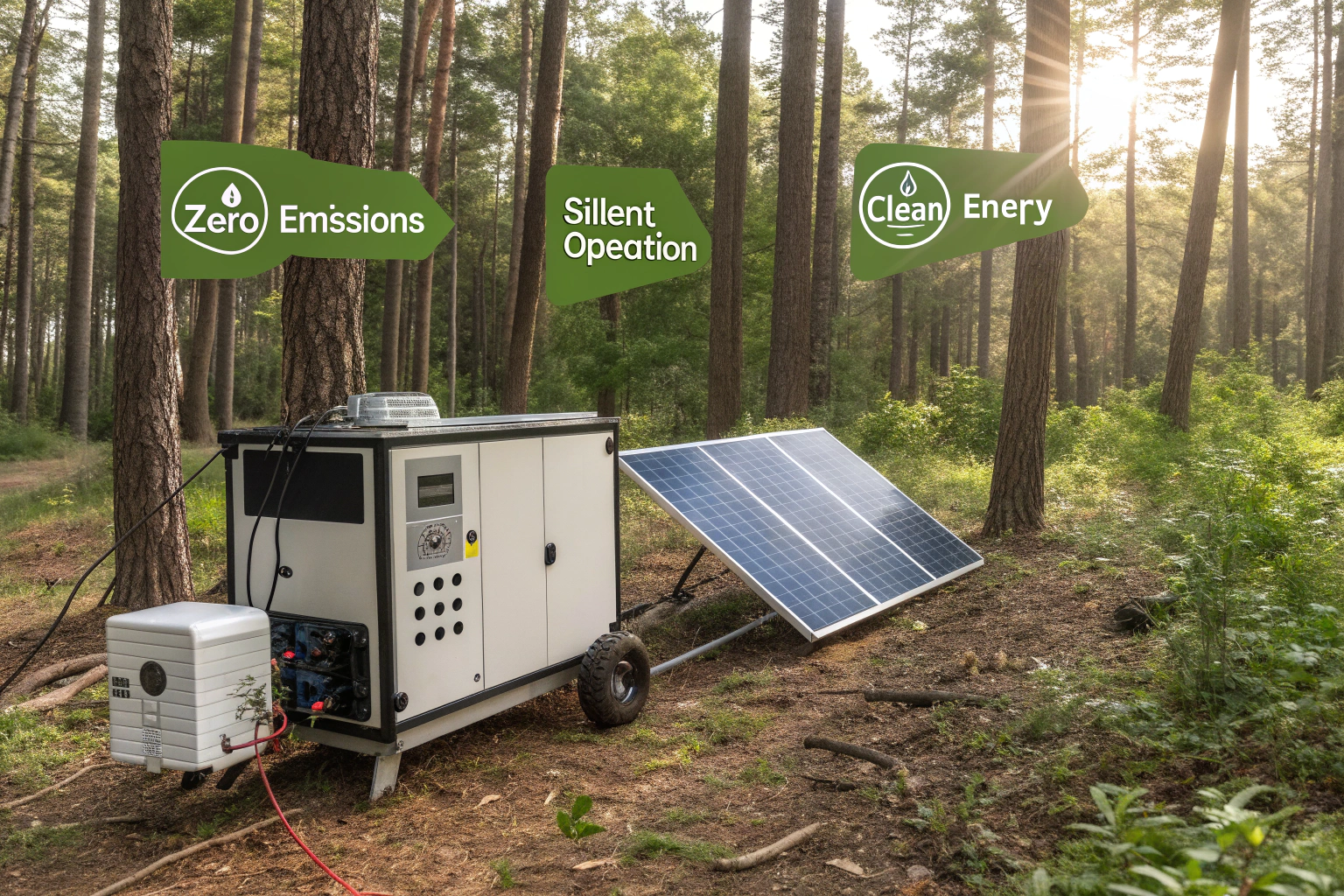
Yes, portable solar generators are 100% eco-friendly. They use renewable solar energy and release no emissions, noise, or toxic waste during use.
The benefit is simple. Traditional generators burn fuel. They emit carbon monoxide, require constant refueling, and can't be used indoors. Solar generators, on the other hand, produce energy from the sun and store it silently. No emissions. No smell. No noise. And when paired with efficient panels, you can run them endlessly in the right conditions.
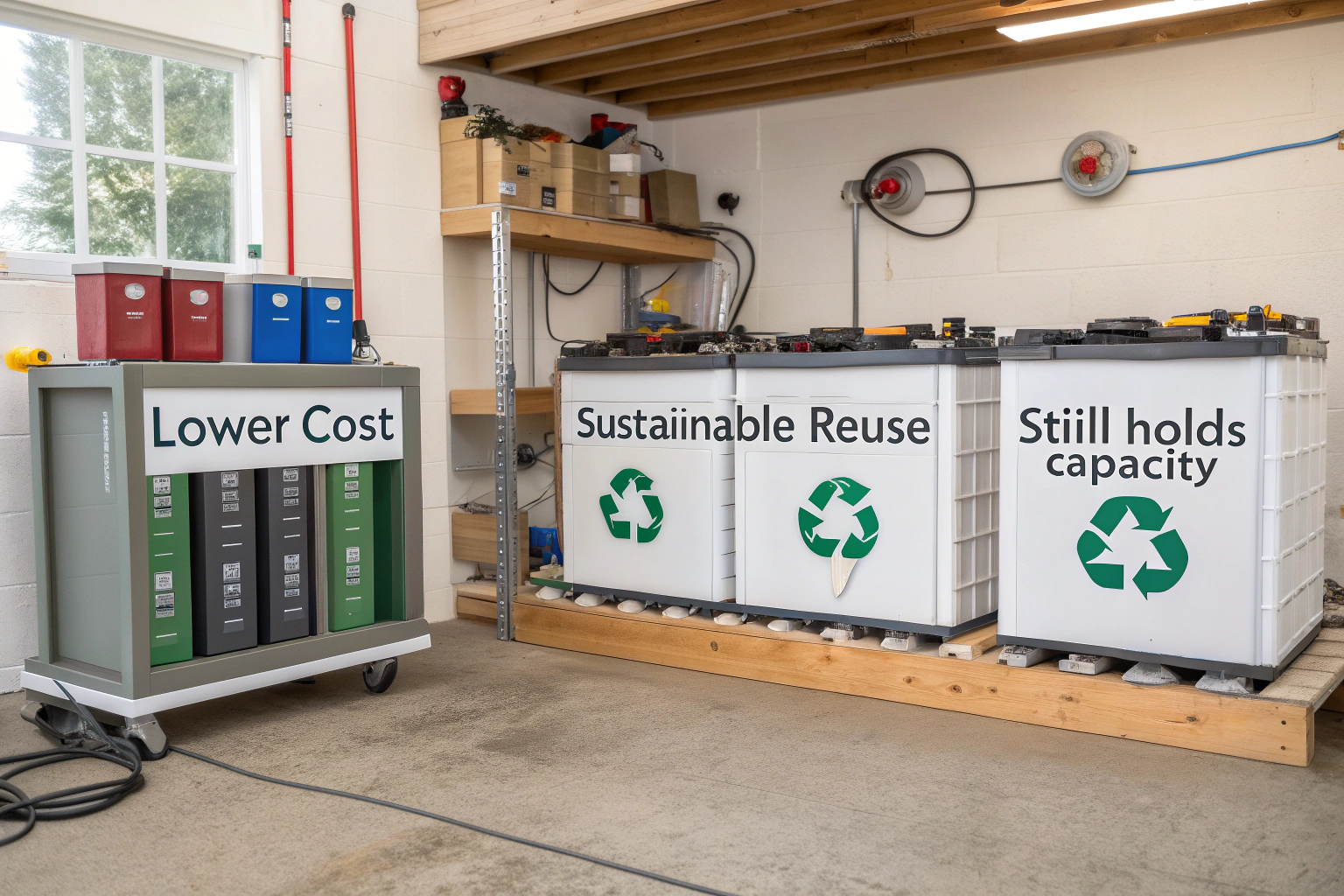
Even better, most use lithium or LiFePO4 batteries, which are safer, longer-lasting, and recyclable compared to lead-acid ones. That means lower long-term waste.
For those who want to live lighter on the planet—or just avoid the mess of fuel—they’re a no-brainer.
What Should I Look for When Buying One?
Not all solar generators are created equal. What really matters when you’re choosing?
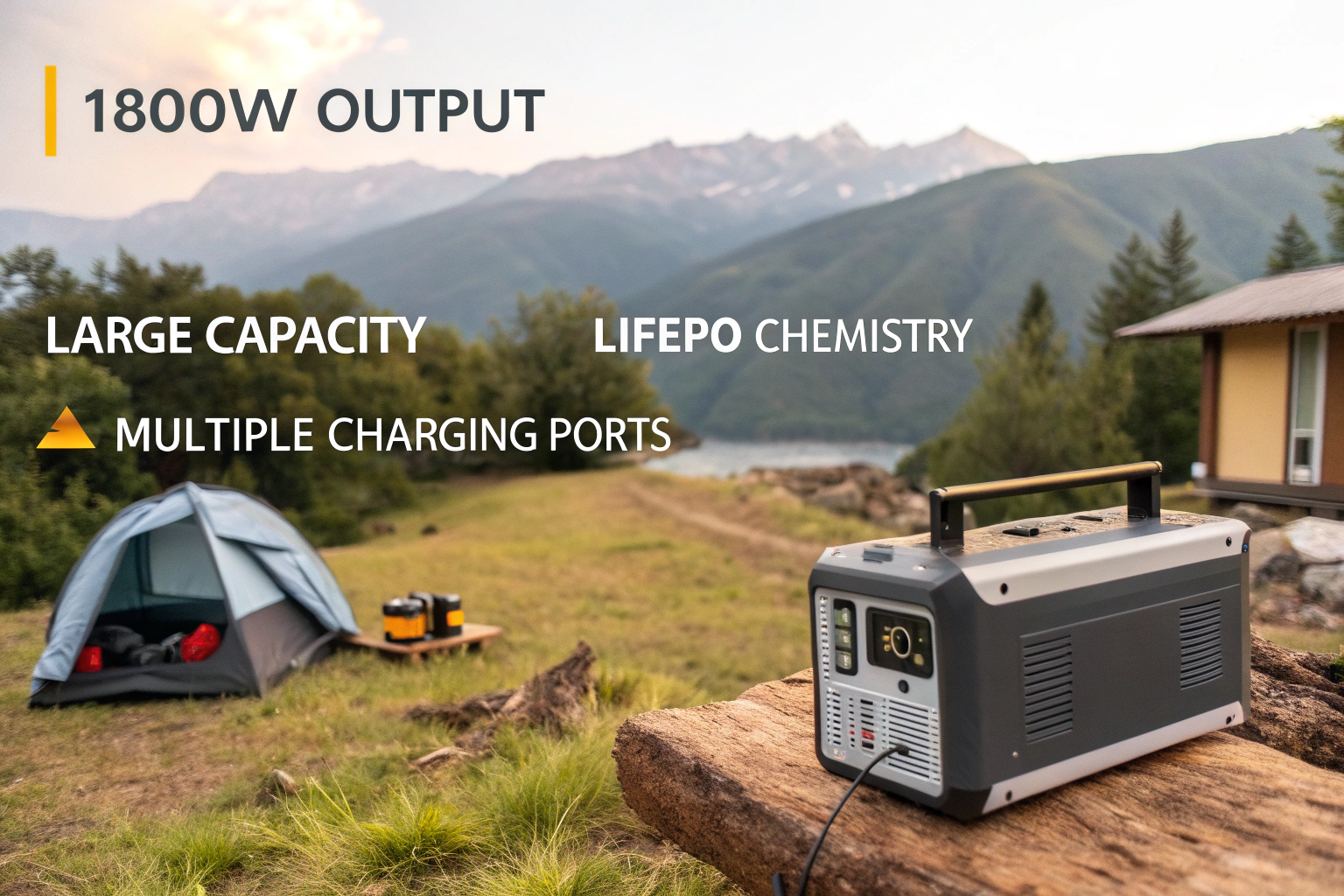
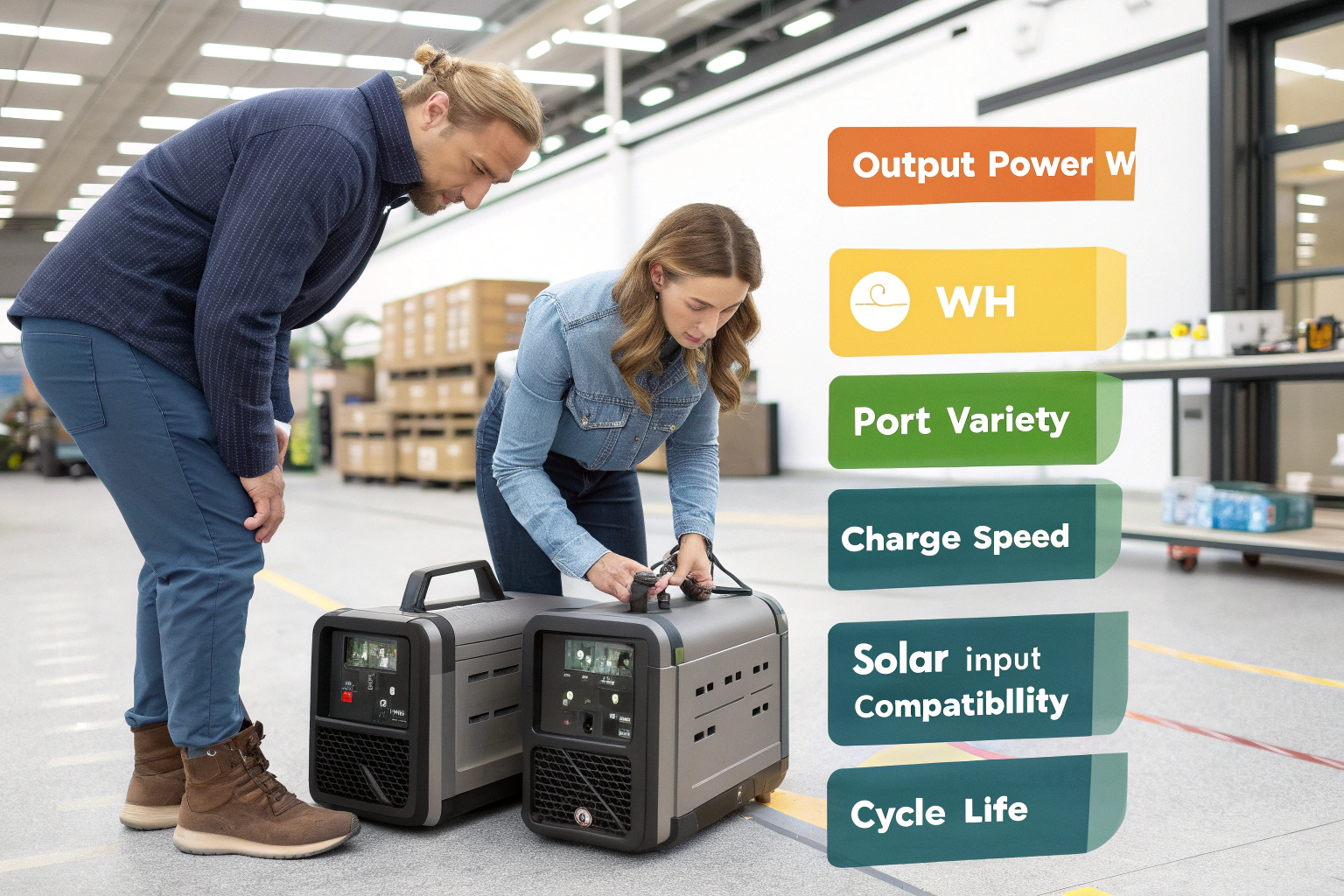
Look at battery capacity, output power, port options, charging speed, solar panel compatibility, and the number of cycles the battery can handle.
Here’s what I always recommend checking before buying:
| Feature | Why It Matters |
|---|---|
| Battery Capacity | More watt-hours = more runtime |
| Output Power | Must match or exceed your device’s needs |
| Port Types | AC, USB-A, USB-C, DC — for flexibility |
| Solar Input | Higher input = faster solar charging |
| Battery Life Cycle | More cycles = longer-lasting investment |
| Weight & Size | Affects portability and storage |
| Expandability | Can it connect to extra panels or batteries? |
A 500Wh unit might be great for hiking. A 2000Wh unit is better for outages. Knowing your use case is the first step toward picking the right model.
Can I Use It Daily or Only for Emergencies?
It seems like something for storms or blackouts. But could it work every day too?
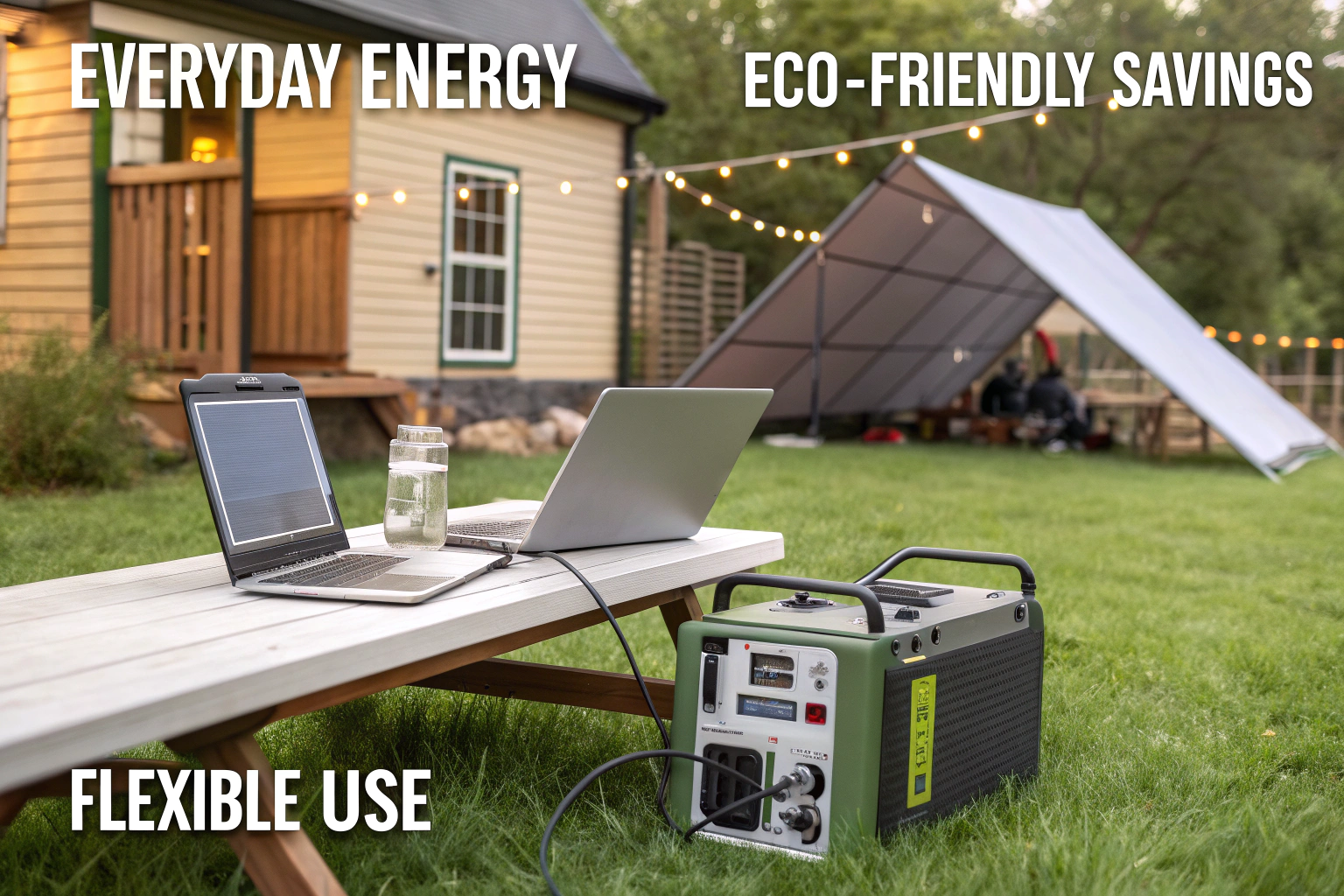
Portable solar generators are great for daily use—whether for powering a backyard office, camping, or saving on your electric bill.
You can use one every day to run your WiFi, charge your laptop, or power a fan—all off-grid. If you live in a sunny area, using solar panels can reduce your electricity use and costs over time. I’ve even used one to run a coffee maker and laptop while working outside all day. And during road trips, it kept our cooler and speaker running the whole time.
With proper care, you can use a good-quality model for years without issue. Many have 2000+ cycle ratings—that’s years of regular use. So yes, it’s not just a backup tool. It can be a lifestyle upgrade.
Conclusion
Portable solar generators are more than just backup power. They’re clean, quiet, and powerful enough for daily life, outdoor adventure, or emergency survival. They offer freedom from the grid—without giving up comfort.