Key Factors in Battery Selection: A Comparison of AGM and Flooded Batteries' Lifespan
When choosing a battery, lifespan is often one of the most critical factors for users. Absorbent Glass Mat (AGM) batteries and flooded batteries are two types widely used across various applications. Understanding the differences between these two battery types and their respective lifespans can help consumers make more informed choices.
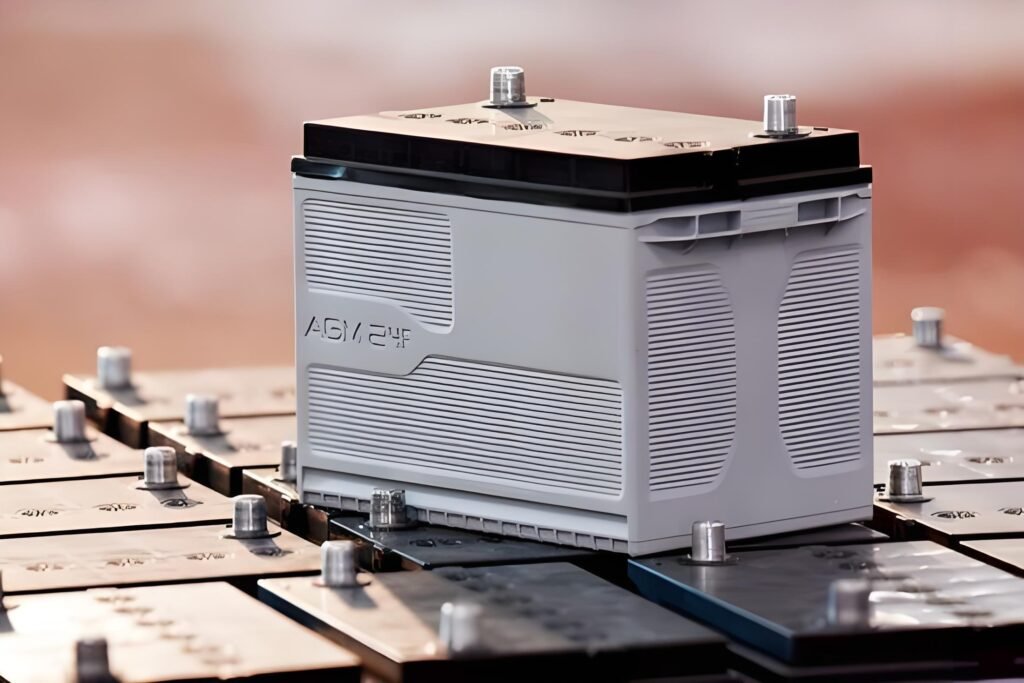
AGM batteries feature a specialized design where the electrolyte is absorbed and immobilized within glass fiber mats. This structure not only enhances safety by reducing the risk of electrolyte leakage but also lowers internal resistance, allowing for rapid discharge of high currents, making them suitable for high-power applications.
In contrast, flooded batteries use liquid electrolyte, which provides certain advantages in terms of energy density and cycle life. However, flooded batteries are more susceptible to damage from overcharging or deep discharging, as this can lead to electrolyte evaporation or spillage, impacting performance and safety.
Several factors influence the lifespan of these batteries, including:
- Charge and Discharge Cycles: AGM batteries can typically withstand more charge and discharge cycles, making them ideal for frequent use. Flooded batteries, on the other hand, have limited lifespan based on the depth and frequency of each cycle.
- Temperature Effects: High temperatures can accelerate battery aging. AGM batteries are relatively more tolerant to heat, whereas flooded batteries can suffer damage under extreme temperatures.
- Maintenance Requirements: AGM batteries are maintenance-free and do not require regular electrolyte checks, while flooded batteries need periodic inspection and maintenance, adding complexity to their use.
- Application Scenarios: AGM batteries excel in applications requiring rapid starts and high currents, such as in automotive and uninterruptible power supply (UPS) systems. Flooded batteries are often preferred in scenarios demanding high energy density, such as solar energy storage.
This article will further explore the practical performance of AGM and flooded batteries across different applications and provide guidance for users when selecting a battery. Through an in-depth analysis of these two battery technologies, we aim to offer a comprehensive perspective that assists users in making scientifically grounded decisions in battery selection.
In-Depth Analysis of AGM and Flooded Batteries
AGM Batteries
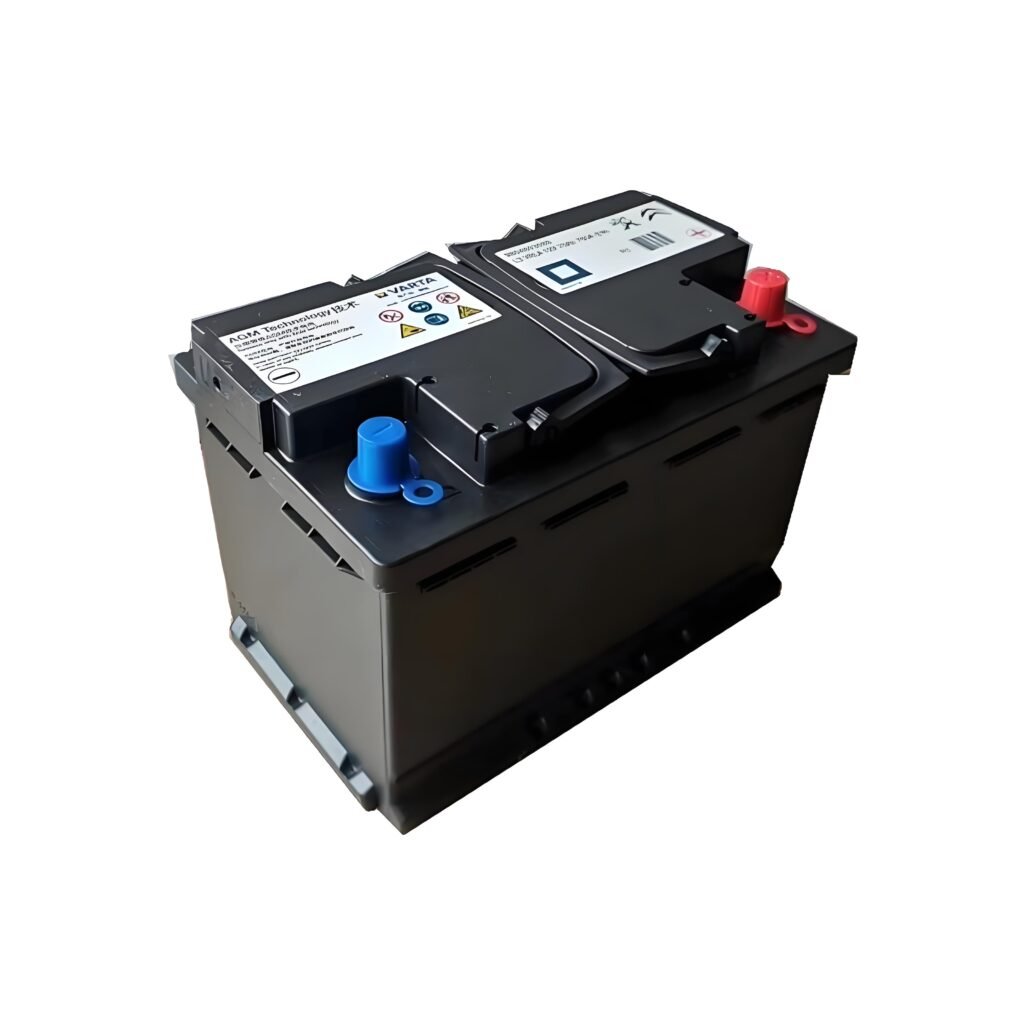
Absorbent Glass Mat (AGM) batteries are a type of Valve-Regulated Lead-Acid (VRLA) battery that showcase exceptional performance across various applications due to their innovative design. In AGM batteries, the electrolyte is efficiently absorbed and immobilized within glass fiber mats. This structure not only prevents the electrolyte from flowing freely but also enhances the battery's safety and stability, eliminating the leakage risks commonly associated with traditional lead-acid batteries and reducing maintenance requirements.
AGM batteries are characterized by their high discharge rates and rapid charging capabilities, enabling them to provide stable power output in high-demand environments. As a result, they are frequently used as core components in renewable energy systems (such as photovoltaic and wind energy), emergency power supplies, and high-end industrial equipment. These batteries can operate in extreme temperatures and withstand frequent deep discharges, making them suitable for long-term use.
Flooded Batteries
Flooded batteries, also known as wet cell batteries, consist of liquid electrolyte fully immersing the lead plates, typically a mixture of water and sulfuric acid. This design allows flooded batteries to be relatively cost-effective, making them widely used in applications where minimizing initial investment is crucial. However, flooded batteries have higher maintenance demands, requiring regular checks on electrolyte levels and occasional top-ups to ensure optimal performance.
While flooded batteries may not match the convenience and longevity of AGM batteries, they still hold advantages in certain applications, such as forklifts, golf carts, and low-power backup systems. These batteries can provide reliable performance under appropriate conditions, but their lifespan and cycle count generally fall short compared to AGM batteries.
Factors Influencing Battery Lifespan
- Charge and Discharge Cycles: AGM batteries are better suited for deep discharge cycles, typically resulting in longer lifespans, while flooded batteries may sustain damage from frequent deep discharges.
- Temperature Effects: AGM batteries exhibit superior adaptability to temperature variations, maintaining stable performance over a wider temperature range. In contrast, flooded batteries can experience performance degradation in extreme heat or cold.
- Maintenance Frequency: AGM batteries require minimal maintenance, whereas flooded batteries necessitate regular monitoring and upkeep to avoid damage caused by low electrolyte levels.
- Application Scenarios: AGM batteries excel in high-load applications, while flooded batteries are more appropriate for low-load or cost-sensitive scenarios.
By considering these factors, users can better understand the advantages and disadvantages of AGM and flooded batteries, enabling informed decisions that ensure reliability and economic viability in their applications.
Comparative Analysis of Lifespan: AGM Batteries vs. Flooded Batteries
When selecting batteries for various applications, lifespan is a crucial factor. Absorbed Glass Mat (AGM) batteries and flooded batteries (also known as liquid batteries) are two common types of lead-acid batteries, each with distinct characteristics in performance, lifespan, and maintenance requirements. A thorough understanding of the differences between these two battery types, along with the factors influencing their lifespan, will help consumers make informed decisions.
Lifespan Comparison
AGM batteries typically have a lifespan ranging from 4 to 8 years. This range is influenced by several factors, including the frequency of charging, depth of discharge, environmental temperature, and usage patterns. In extreme heat or cold, the lifespan of AGM batteries may be reduced. Additionally, AGM batteries perform well in applications requiring frequent charge and discharge cycles, making them ideal for renewable energy systems and uninterruptible power supplies (UPS).
In contrast, the average lifespan of flooded batteries is approximately 3 to 5 years. While their lifespan is generally shorter, regular maintenance can significantly extend their longevity. This includes periodic checks of the electrolyte level and timely refilling with water. Flooded batteries are often used in less demanding environments, such as electric golf carts and forklifts, making them an attractive option in terms of cost-effectiveness.
Advantages of AGM Batteries
- Longer Lifespan: One of the most significant advantages of AGM batteries is their extended lifespan. Proper maintenance can allow them to perform reliably even under frequent use.
- Fast Charging Capability: AGM batteries have a quicker charging time, particularly beneficial in applications that require rapid power recovery. For instance, in renewable energy systems, AGM batteries can be recharged swiftly to ensure a continuous power supply.
- Reduced Risk of Sulfation: AGM batteries are less prone to sulfation, a phenomenon that affects the performance of lead-acid batteries, leading to capacity loss and reduced lifespan. Their design enables quick recovery from deep discharges, promoting better battery health.
- Low Installation Requirements: AGM batteries do not require regular checks of the electrolyte levels, simplifying maintenance. This characteristic makes them popular in a wide range of applications, especially in high-demand industrial settings.
- Safety and Environmental Considerations: The absorbed electrolyte in AGM batteries minimizes the risk of leakage, enhancing safety during transport and use. This feature is particularly important in environments with high safety requirements.
- Eco-friendliness: AGM batteries use less liquid electrolyte, reducing the risk of environmental contamination. With increasing environmental regulations, AGM batteries are becoming more popular as a sustainable choice.
Advantages of Flooded Batteries
Despite their shorter lifespan, flooded batteries have distinct advantages:
- Cost-Effectiveness: Flooded batteries generally have a lower production cost compared to AGM batteries, making them a more budget-friendly option. This characteristic is particularly appealing in industries where cost is a primary concern.
- High Load Performance: Flooded batteries excel in applications involving deep discharges and high loads, making them suitable for situations with variable power demands.
- Widespread Applications: The technology behind flooded batteries is well-established, making them widely used in various devices, including vehicles and industrial equipment. Their reliability and availability are well recognized.
- Higher Energy Density: While their overall lifespan is shorter, certain flooded batteries can offer higher energy output, making them suitable for applications requiring high instantaneous power.
- Good Thermal Management: Flooded batteries perform reliably at higher temperatures and can handle overload situations without the risk of thermal runaway. This reliability is advantageous in environments subject to temperature fluctuations.
Factors Affecting Battery Lifespan
When comparing the lifespan of AGM and flooded batteries, several factors are critical:
- Charging Method: Using the appropriate charger and charging technique can significantly extend a battery's lifespan. Overcharging or undercharging can adversely affect performance and longevity.
- Environmental Temperature: Batteries operating in extreme temperature conditions can experience reduced lifespan. High temperatures accelerate chemical reactions, potentially leading to faster aging, while low temperatures can diminish performance.
- Depth of Discharge: The depth of discharge has a notable impact on lifespan. AGM batteries tolerate deeper discharges better, while flooded batteries should avoid frequent deep discharges to prevent damage.
- Maintenance Frequency: For flooded batteries, regular maintenance—such as topping off the electrolyte and cleaning battery terminals—is vital for longevity. AGM batteries generally require less frequent maintenance.
- Usage Cycle: The usage cycle affects battery lifespan; frequent charging and discharging can lead to wear and tear, impacting performance and longevity.
When evaluating AGM and flooded batteries, it is essential to consider various factors, including the operational environment, maintenance capabilities, and economic factors. AGM batteries offer longer lifespans, faster charging capabilities, and lower maintenance requirements, making them ideal for applications involving frequent charging and discharging. On the other hand, flooded batteries provide cost advantages and perform well in high-load situations, making them suitable for specific applications.
By understanding the characteristics of these two types of batteries and their performance in different applications, users can make more informed decisions that maximize the performance and lifespan of their battery systems. When choosing a battery, it is advisable to consider specific application requirements, budget constraints, and long-term maintenance capabilities to ensure the selected battery achieves optimal performance and cost-effectiveness.
Conclusion and Analysis
In evaluating battery lifespan, it is essential to consider the specific requirements of the application and environmental factors. While AGM batteries are often recognized for their longer lifespan and low maintenance needs, in certain situations, flooded lead-acid (FLA) batteries still offer unique advantages, particularly when cost is a primary concern and effective maintenance can be managed.
For instance, in budget-constrained projects, the initial investment cost of flooded batteries is relatively lower, making them an economically viable option. In environments where regular maintenance and monitoring can be performed, flooded batteries provide excellent value for money. When well-maintained, flooded batteries perform exceptionally well in terms of charge and discharge cycles, capable of handling substantial load demands and frequent deep discharges, which makes them competitive in various industrial applications and high-power scenarios.
On the other hand, AGM batteries demonstrate clear advantages in situations requiring low maintenance and high reliability. Their maintenance-free feature allows users to avoid frequent checks of the electrolyte levels, making them suitable for environments where regular upkeep is challenging. The quick charging capability of AGM batteries and their resilience to deep discharges make them ideal for renewable energy systems, backup power supplies, and high-load applications.
In summary, the choice between AGM and flooded batteries should be based on specific application needs, budget constraints, and maintenance capabilities. Understanding the performance characteristics and suitable scenarios for each battery type can help users achieve maximum return on investment while optimizing the operational efficiency of the battery system. By comprehensively assessing application requirements and environmental conditions, decision-makers can select the most appropriate battery solution to ensure long-term stability and cost-effectiveness.