You’ve invested in a lithium battery—but how long before it fades, fails, or needs replacing?
Most lithium batteries last between 2 to 10 years depending on type, usage, and quality—LiFePO₄ batteries offer the longest life, often over 3000 cycles or 10 years.
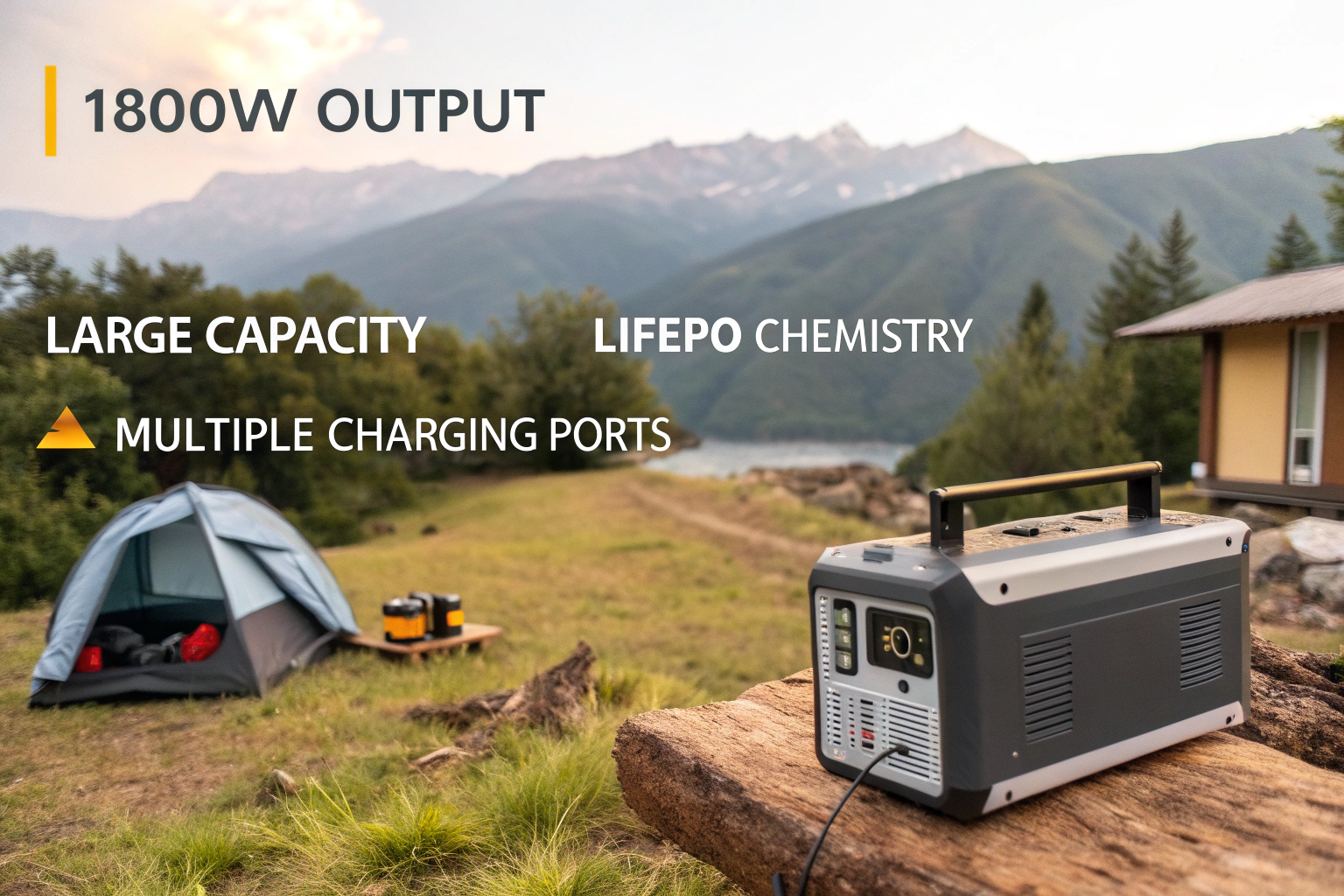
Whether you’re using a portable power station, solar battery bank, or off-grid energy system, knowing what to expect from your battery’s lifespan helps you plan better and avoid costly surprises.
What Affects the Lifespan of a Lithium Battery?
Not all lithium batteries are the same, and how you use them matters even more.
The type of lithium chemistry, number of charge cycles, temperature exposure, and depth of discharge all influence how long a lithium battery will last.
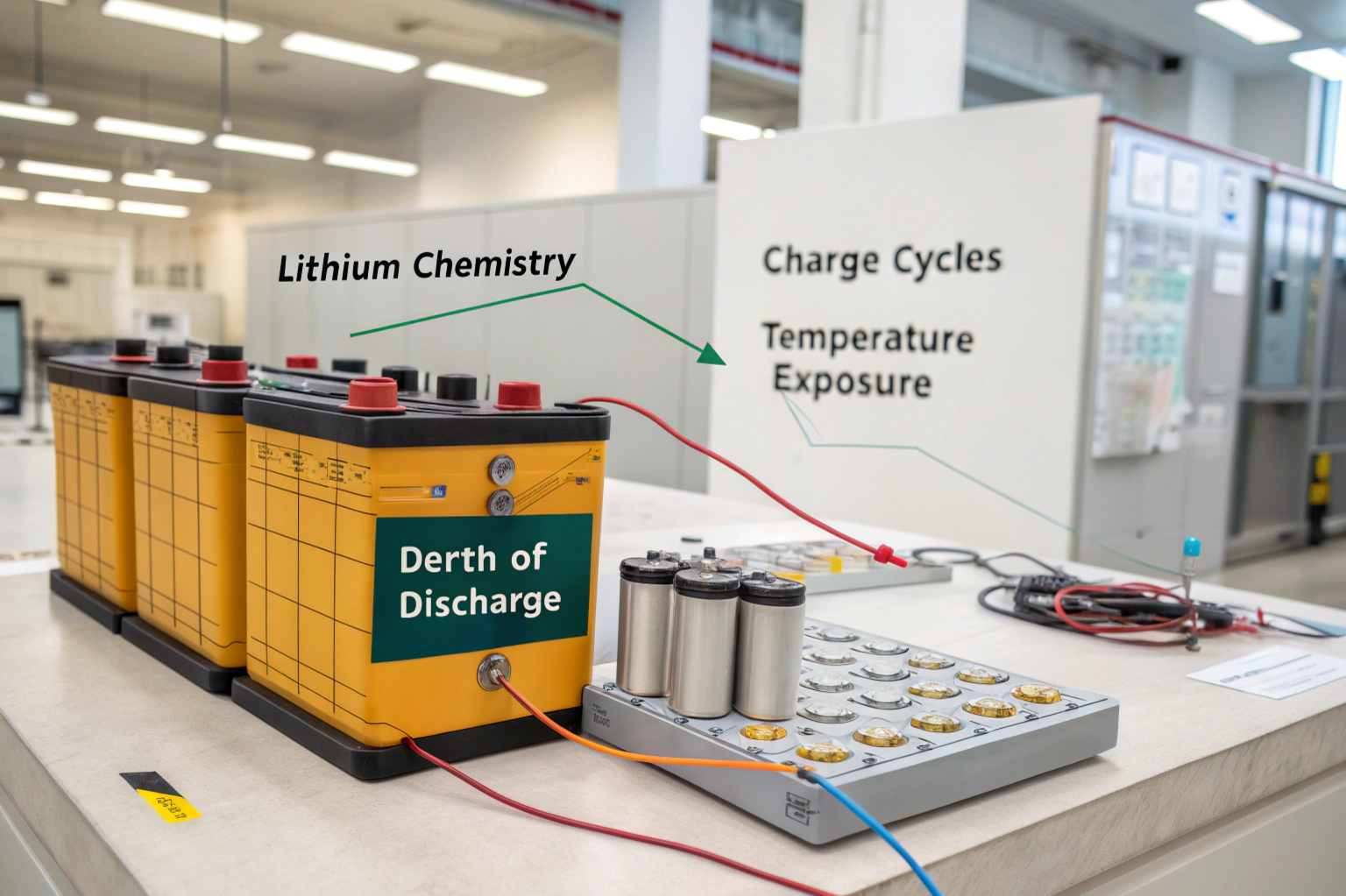
Here’s a breakdown of the four main factors:
- Chemistry – LiFePO₄ batteries last longer than NMC or LCO types
- Charge cycles – one full charge and discharge = one cycle
- Temperature – high heat or freezing cold reduces lifespan
- Depth of Discharge (DoD) – draining to 0% every time wears batteries faster
| Factor | Best Practice |
|---|---|
| Battery Chemistry | Choose LiFePO₄ for longevity |
| Cycle Life | Use partial discharges when possible |
| Temperature | Keep between 10°C–30°C |
| Charge Routine | Avoid 0% or 100% extremes often |
For example, using a LiFePO₄ battery at room temperature and discharging only to 20% each cycle can stretch its life to over a decade.
How Do Different Types of Lithium Batteries Compare?
If you thought all lithium batteries lasted the same, think again.
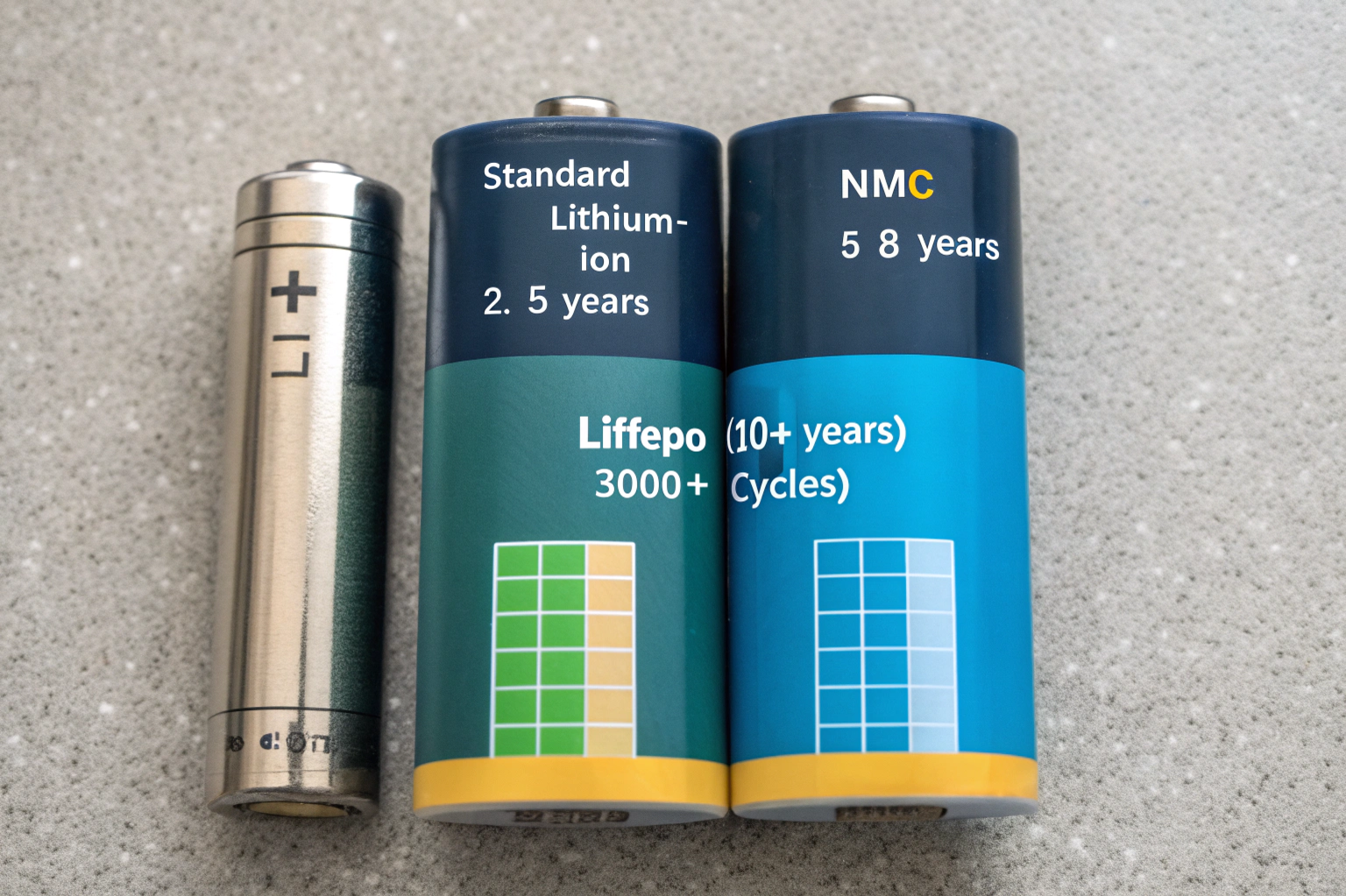
Lithium iron phosphate (LiFePO₄) batteries can last over 5000 cycles, while other lithium types like NMC or LCO may last only 500–1000 cycles.
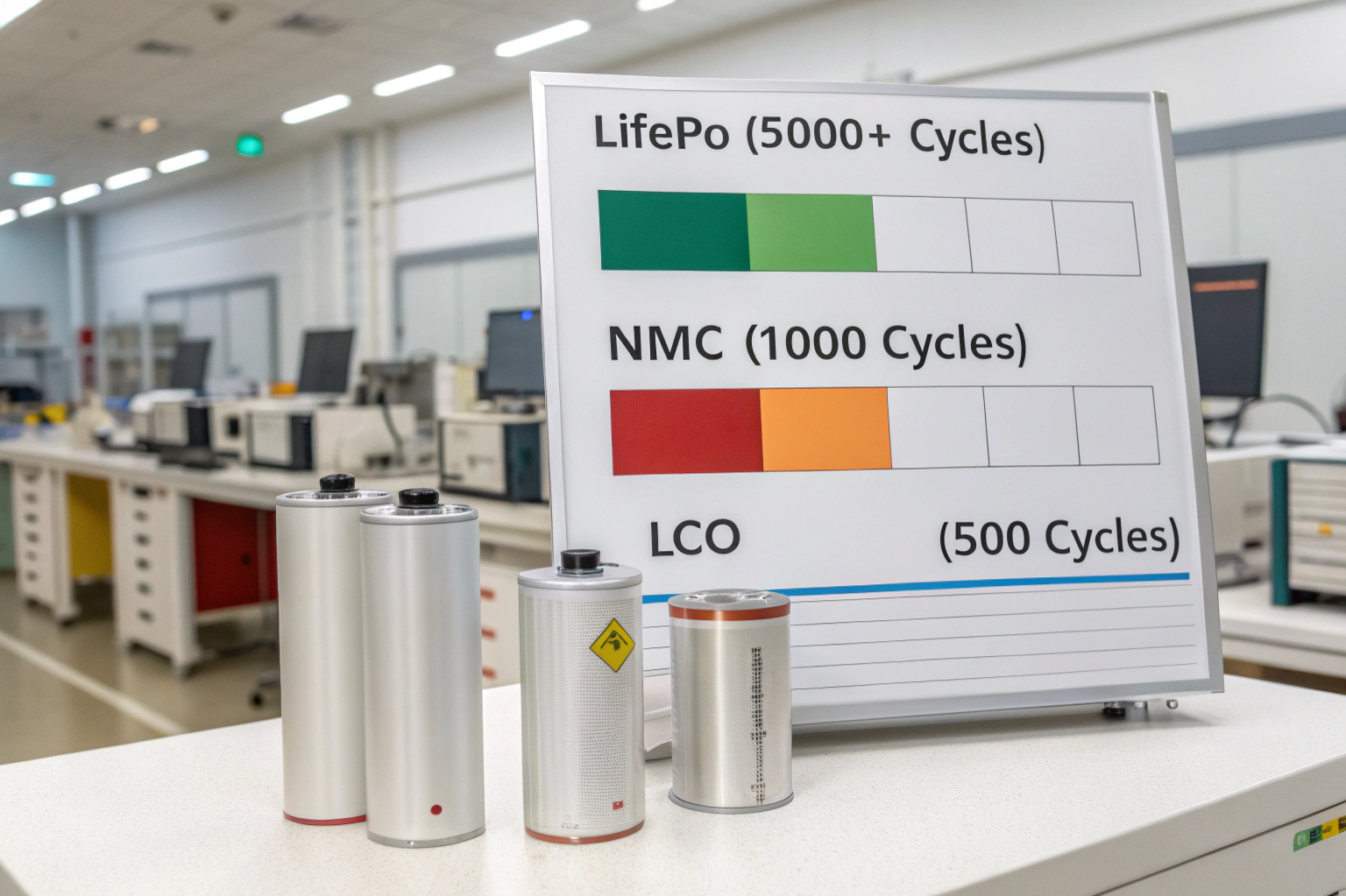
Here's how the most common chemistries stack up:
| Battery Type | Cycle Life | Average Lifespan | Notes |
|---|---|---|---|
| LiFePO₄ | 3000–5000+ | 8–12 years | Best for solar, energy storage |
| Lithium NMC | 500–1000 | 2–5 years | Common in consumer electronics |
| Lithium LCO | 300–600 | 1–3 years | High energy, lower cycle count |
| Lead-Acid (for ref) | 300–500 | 1–2 years | Low cost, short lifespan |
In my experience, LiFePO₄ batteries are the top choice for long-term, low-maintenance systems like solar power or portable stations used weekly.
How Many Years Will My Lithium Battery Actually Last?
You want real numbers, not just specs. So how does this play out over time?
If used moderately, lithium batteries last between 3 to 10 years. Light use and good care can push high-quality units beyond that.
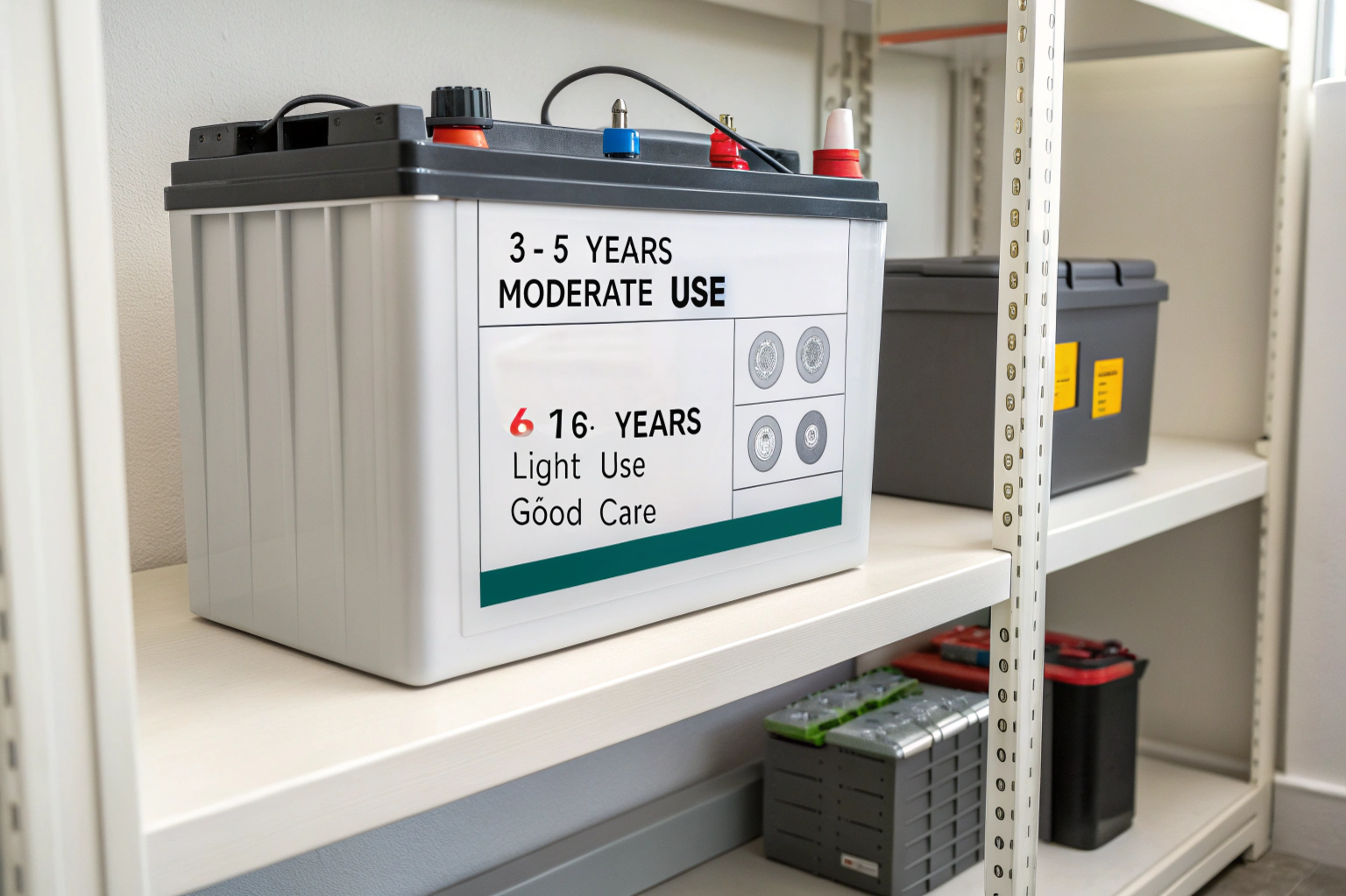
Let’s take an example. A LiFePO₄ battery rated for 3000 cycles could last:
- Daily use = over 8 years
- Weekly use = 40+ years (though age itself will affect this)
- Seasonal use = virtually lifetime of the device
Age does matter even if cycles are low. Most lithium batteries degrade slowly even when unused. That’s why manufacturers usually list lifespan as whichever comes first: X years or Y cycles.
And remember, even after thousands of cycles, these batteries don’t “die”—they just drop to about 80% of their original capacity. That’s still usable power.
How Do I Make My Lithium Battery Last Longer?
A few smart habits can stretch your battery life by years.
Store it cool, charge it moderately, and avoid deep discharges to keep your lithium battery working well for longer.
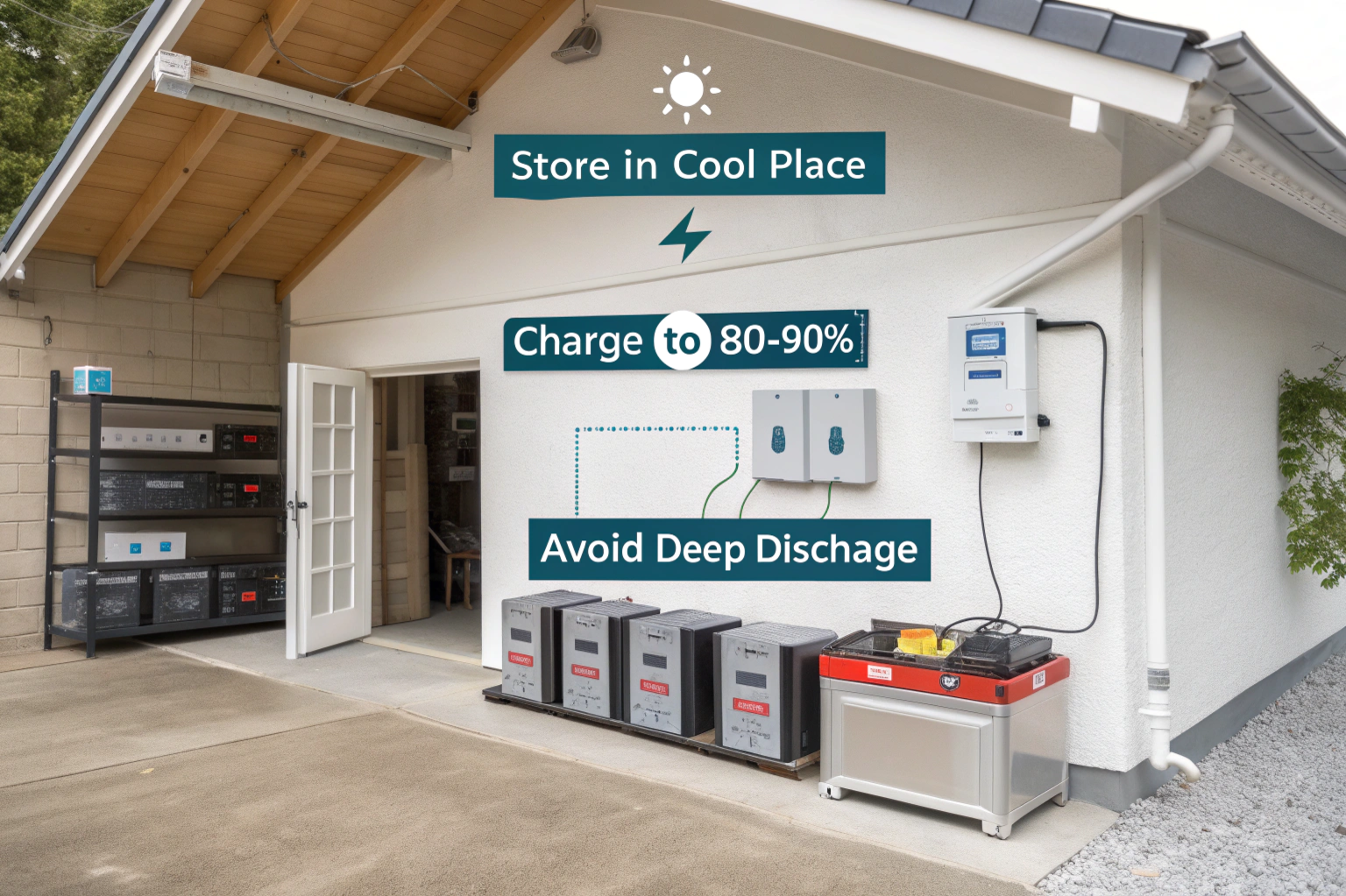
Here's what I do with every lithium battery I use:
- Avoid full 0% to 100% charges – aim for 20–80% for daily use
- Don’t leave it plugged in all the time
- Keep it out of hot cars or freezing garages
- Use it regularly – batteries age slower when cycled occasionally
- Follow the manufacturer’s charge specs
And for long-term storage, charge to around 50% and store in a cool, dry place. That alone can double your battery’s shelf life.
When Should I Replace a Lithium Battery?
Nothing lasts forever—even the best lithium battery needs replacing eventually.
Replace your lithium battery when it can no longer hold 70–80% of its original charge or starts overheating, swelling, or losing power too fast.
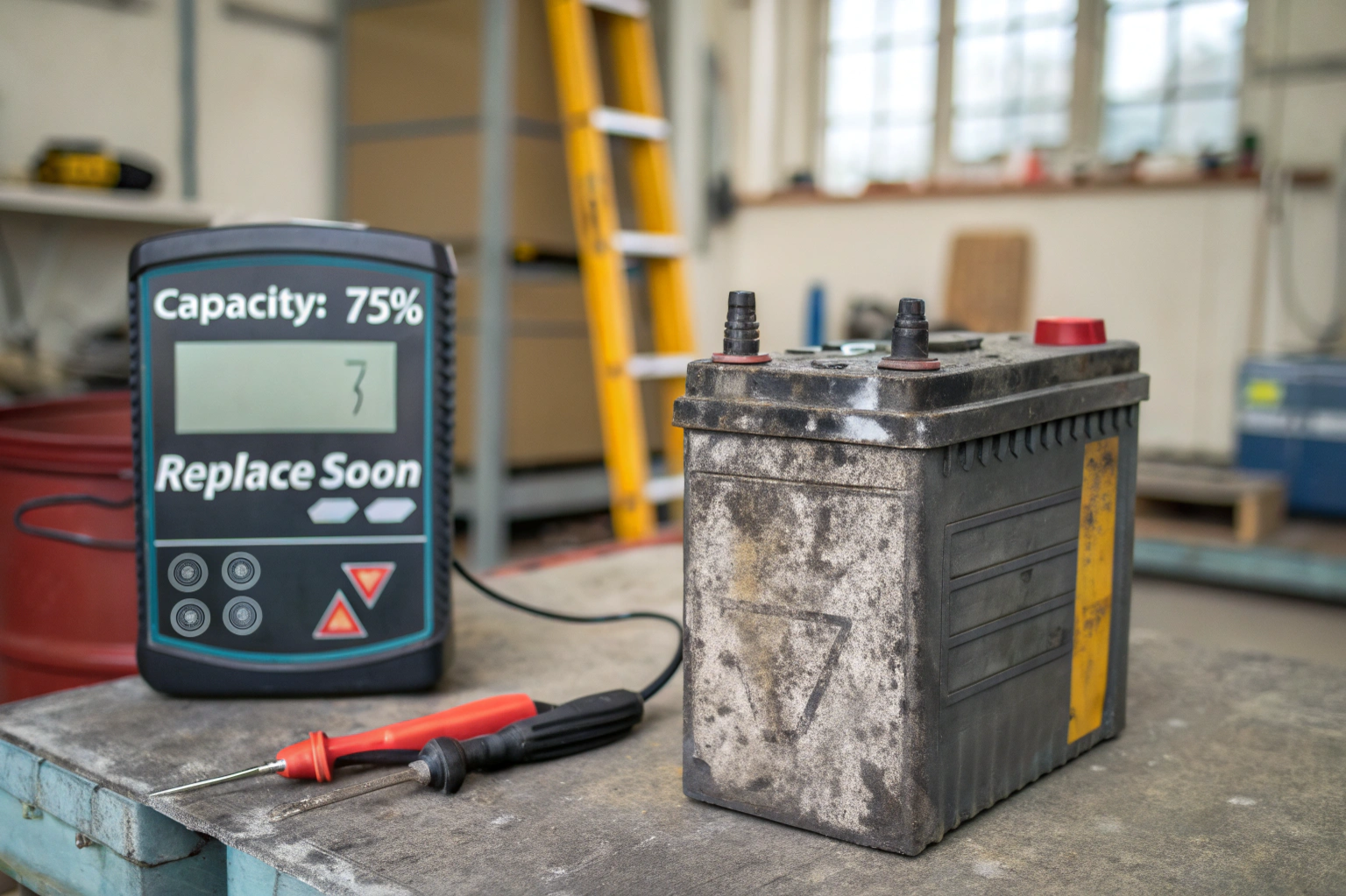
Here are some common signs it’s time to replace:
- Runs out of power faster than normal
- Takes longer to charge or won’t charge fully
- Feels unusually warm during light use
- Visibly swollen or misshapen
- Voltage drops quickly under load
If your battery is in a portable power station, these signs usually show up on the display or through connected apps. Don’t ignore them—damaged batteries can be dangerous.
Conclusion
Lithium batteries typically last 3 to 10 years depending on type and use. With good care, especially if using LiFePO₄ chemistry, you can get thousands of cycles and reliable performance for a decade or more.