You’ve got old batteries lying around—maybe from electric vehicles or power tools. Can they still serve a second life as home storage?
Yes, old batteries can be reused for home energy storage, but only if they are tested, reconditioned, and managed properly with a safe battery management system (BMS).
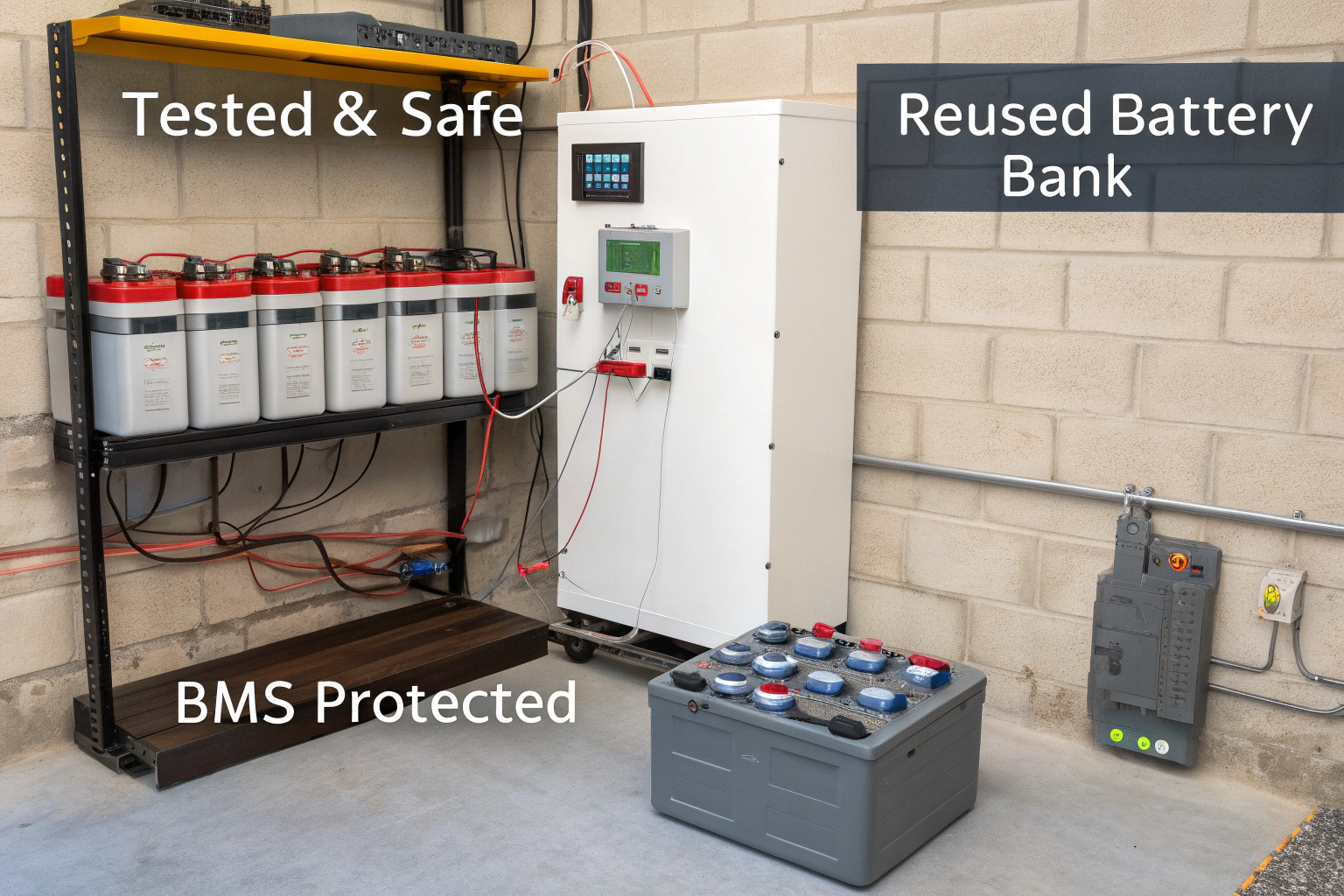
As energy storage becomes more common, more people ask if used batteries can be repurposed to save money and reduce waste. The answer isn’t simple, but it is possible—with care and the right setup.
Why Would Anyone Use Old Batteries for Energy Storage?
At first, reusing an old battery may seem risky or odd. But it’s more common than you think.
People use old batteries to reduce costs, recycle valuable materials, and give second life to cells that still hold useful capacity.
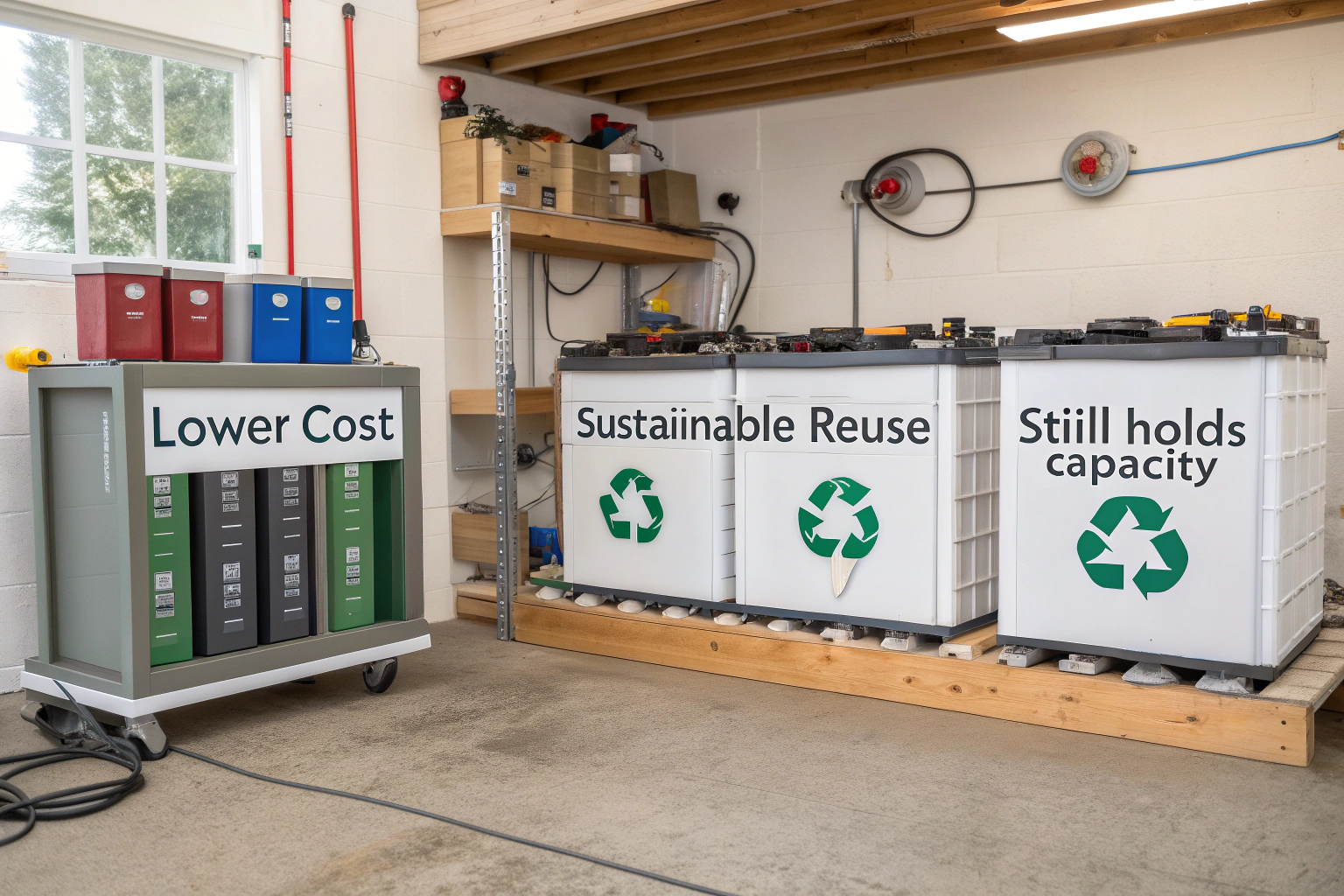
Here’s why it makes sense:
- Cost savings – used batteries are cheaper than new ones
- Environmental impact – reduces e-waste and mining needs
- Experimental setups – for hobbyists or DIYers
- Availability – EV or tool batteries are often easy to find
In my experience, second-life battery projects often start as a way to learn and save money—but they require technical know-how and patience.
| Benefit | Explanation |
|---|---|
| Lower Cost | 50–70% cheaper than new batteries |
| Sustainable Use | Extends battery life cycle |
| Good for DIY | Can be customized into flexible systems |
| Scalable | Add more batteries as needed |
That said, not all old batteries are worth saving. Let’s look at how to tell the difference.
What Kind of Old Batteries Can Be Reused?
Not every battery is fit for a second life. Some are too degraded or unsafe.
Lithium-ion and LiFePO₄ batteries from EVs, scooters, or tools can often be reused if they still hold 70–80% of their original capacity.
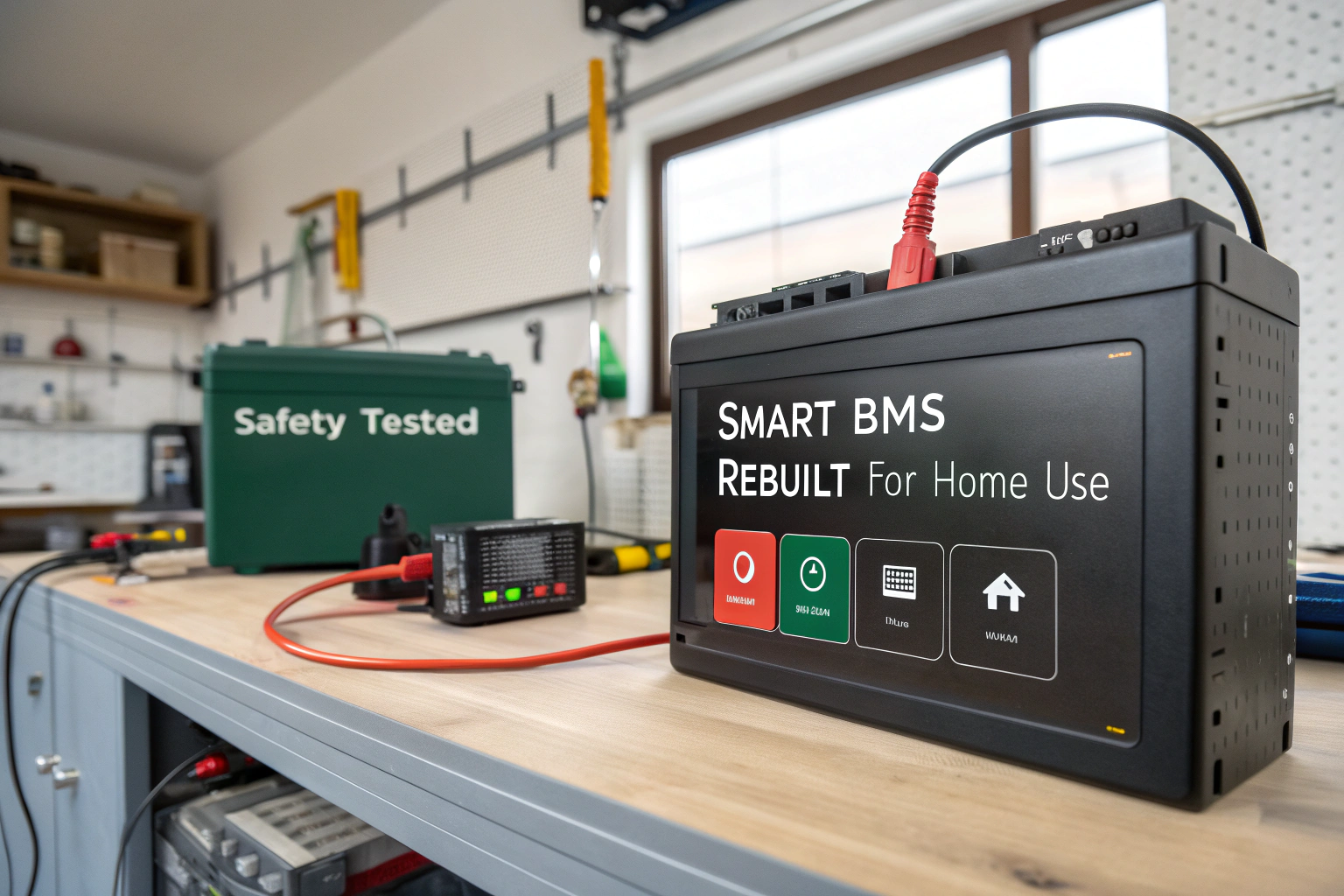
Here’s where people find batteries to reuse:
- Electric vehicle battery packs – high capacity, modular
- Power tool batteries – smaller, easier to test
- Laptop batteries – 18650 cells can be rebuilt
- Solar storage packs – from failed or upgraded systems
But every battery must be tested for:
- Remaining capacity
- Internal resistance
- Cell balance
- Visible damage or swelling
| Source Battery Type | Usability for Storage | Testing Required |
|---|---|---|
| EV Battery Modules | Very High | Yes |
| Power Tool Packs | Medium | Yes |
| Laptop 18650 Cells | Low to Medium | Yes |
| Lead-Acid (Old Solar) | Low | Yes |
I’ve built packs from used 18650s myself—but only after checking every cell. Never assume an old battery is ready to use as-is.
How Safe Is It to Use Old Batteries?
Safety is a major concern—especially when storing energy in your home.
Old batteries can be safe if properly tested, rebuilt, and used with a smart BMS that monitors temperature, voltage, and current.
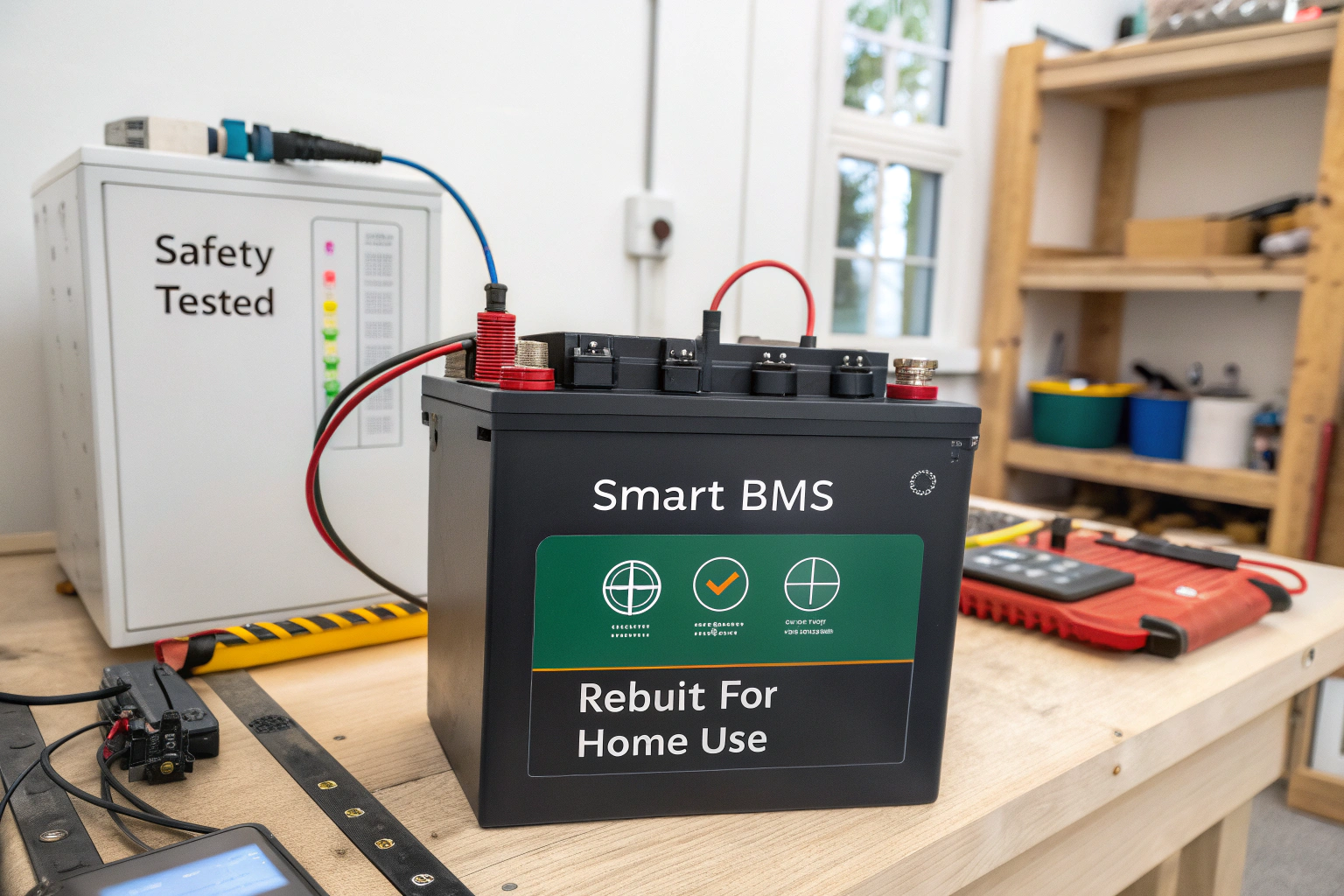
The danger comes from unbalanced or degraded cells. They can heat up, swell, or even catch fire if pushed too hard. This is why every second-life battery project needs:
- A reliable Battery Management System (BMS)
- Fuses and circuit breakers
- Safe housing (metal or flame-retardant enclosures)
- Temperature and voltage sensors
| Safety Measure | Purpose |
|---|---|
| BMS | Prevents overcharge/discharge |
| Fusing | Protects against short circuits |
| Temperature Monitoring | Avoids overheating |
| Physical Containment | Prevents fire spread |
Without these protections, reused batteries should never be used indoors. But with care, I’ve seen many systems work safely for years.
Does It Make Financial Sense?
At first, reusing old batteries seems cheaper. But how does it compare long-term?
Reused batteries are cheaper upfront but may have shorter life and more maintenance—making them ideal for hobbyists or light-duty use, not critical home backup.
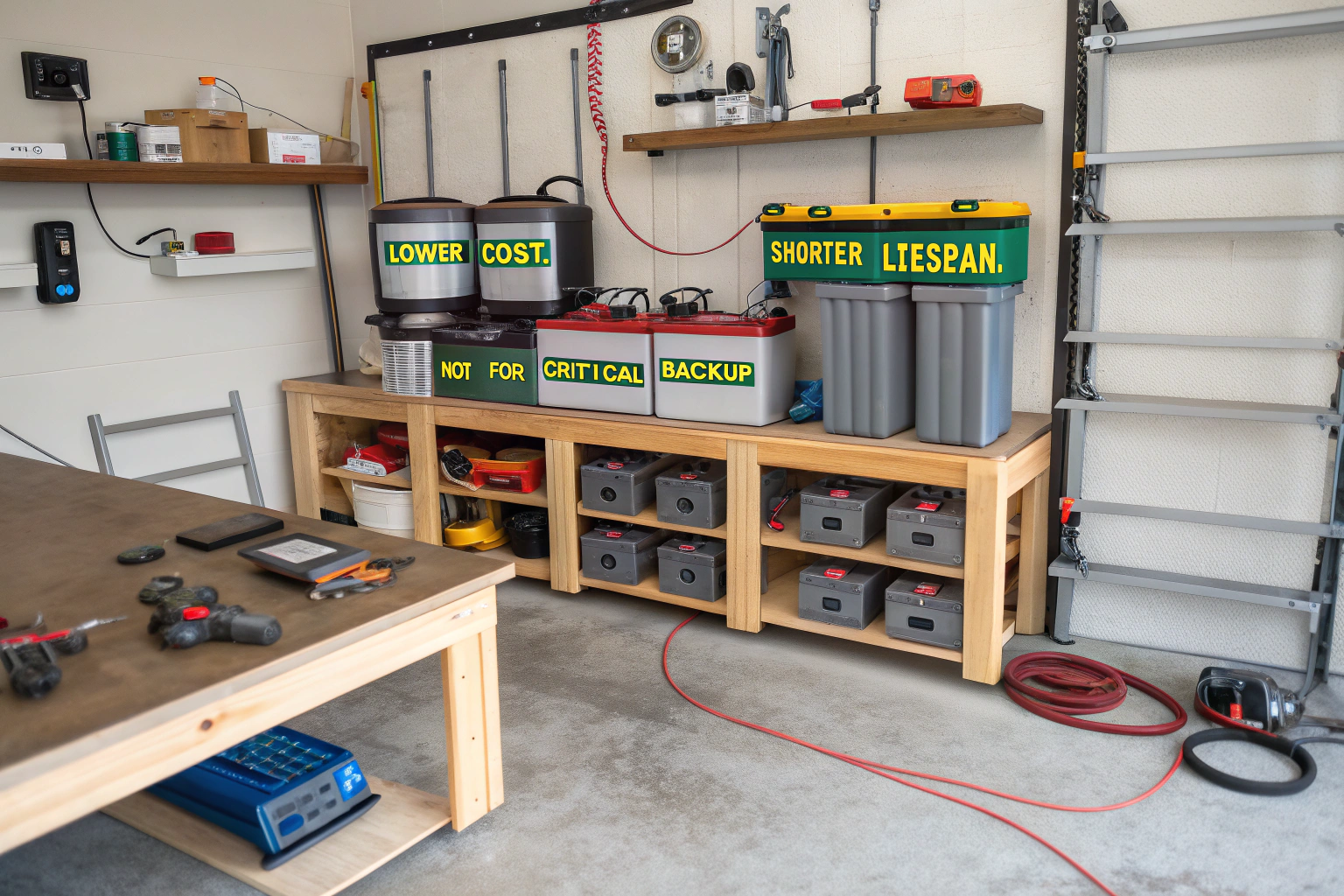
Let’s say a new LiFePO₄ battery bank costs $1,200 for 2kWh and lasts 10 years. A used EV pack might cost $400 for 2kWh but last only 3–5 years.
| Battery Source | Upfront Cost | Lifespan | Cost per Year | Maintenance |
|---|---|---|---|---|
| New LiFePO₄ | High | 8–12 yrs | Moderate | Low |
| Second-Life EV Pack | Low | 3–5 yrs | Low | Medium–High |
| Used 18650 Pack | Very Low | 2–4 yrs | Very Low | High |
So yes, it can be economical—if you have the skills or enjoy building. But for anyone who needs reliability, new batteries still win in the long run.
What’s the Best Way to Start Using Old Batteries?
You’re interested—but don’t know where to start? I’ve got you.
Start small by collecting tool or laptop batteries, test each cell, build a basic pack with a BMS, and grow from there—never skip testing or protection.
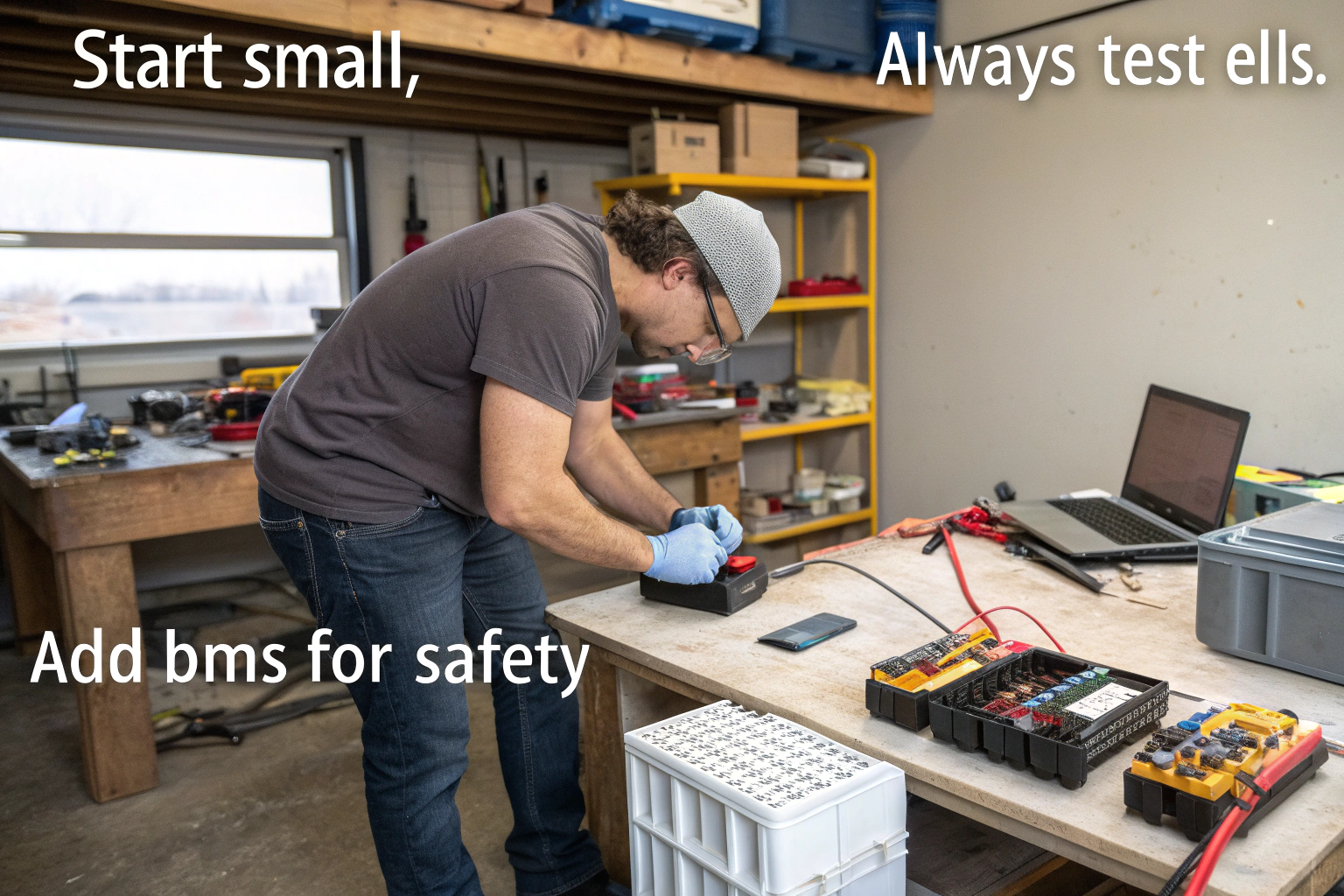
Here’s a safe way to begin:
- Collect used 18650 or power tool batteries
- Use a cell tester to check voltage, resistance, and capacity
- Sort and group matched cells (same capacity + voltage)
- Build small 12V or 24V packs using holders or spot welding
- Add a BMS, fuse, and voltmeter display
- Use for lights, fans, USB charging, or WiFi router backup
As you gain experience, you can scale up with larger modules or connect to solar panels. But always monitor your builds and never leave them unattended.
Conclusion
You can reuse old batteries for home energy storage, but only with proper testing, management, and safety gear. For DIY users, it's a smart way to save money and reduce waste—just be ready to put in the work.