Choosing a power station sounds simple—until you see dozens of models with different watts, watts-hours, and prices. So how much power do you really need?
The size of the portable power station you need depends on the devices you plan to power and for how long—measured in watt-hours (Wh), not just output watts (W).
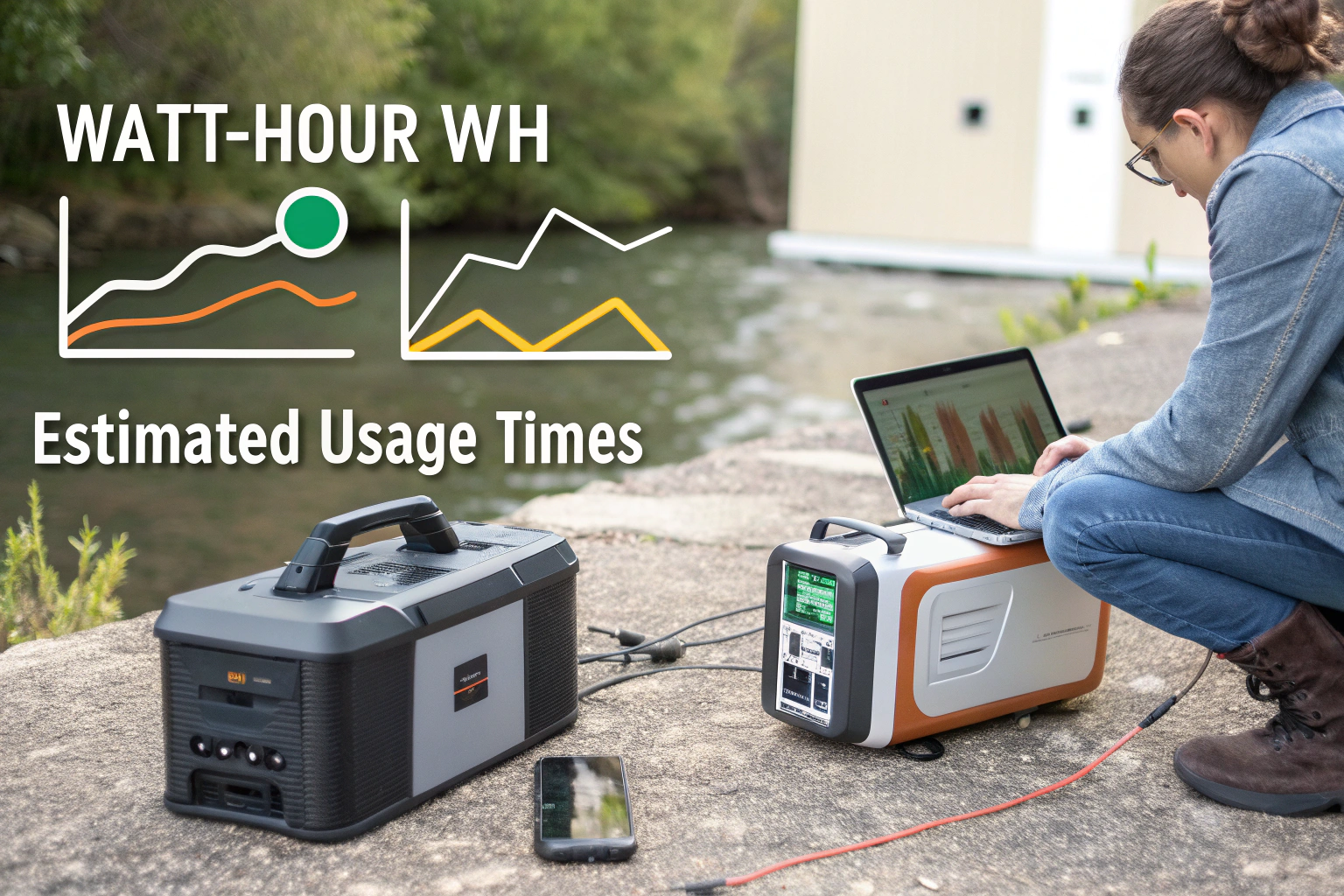
Whether you’re camping for a weekend, preparing for a blackout, or running tools at a remote site, knowing the right size helps avoid underpowered systems—or overpaying for extra capacity you don’t need.
What’s the Difference Between Watts and Watt-Hours?
The first thing to understand is how power stations are rated—because it’s easy to confuse their numbers.
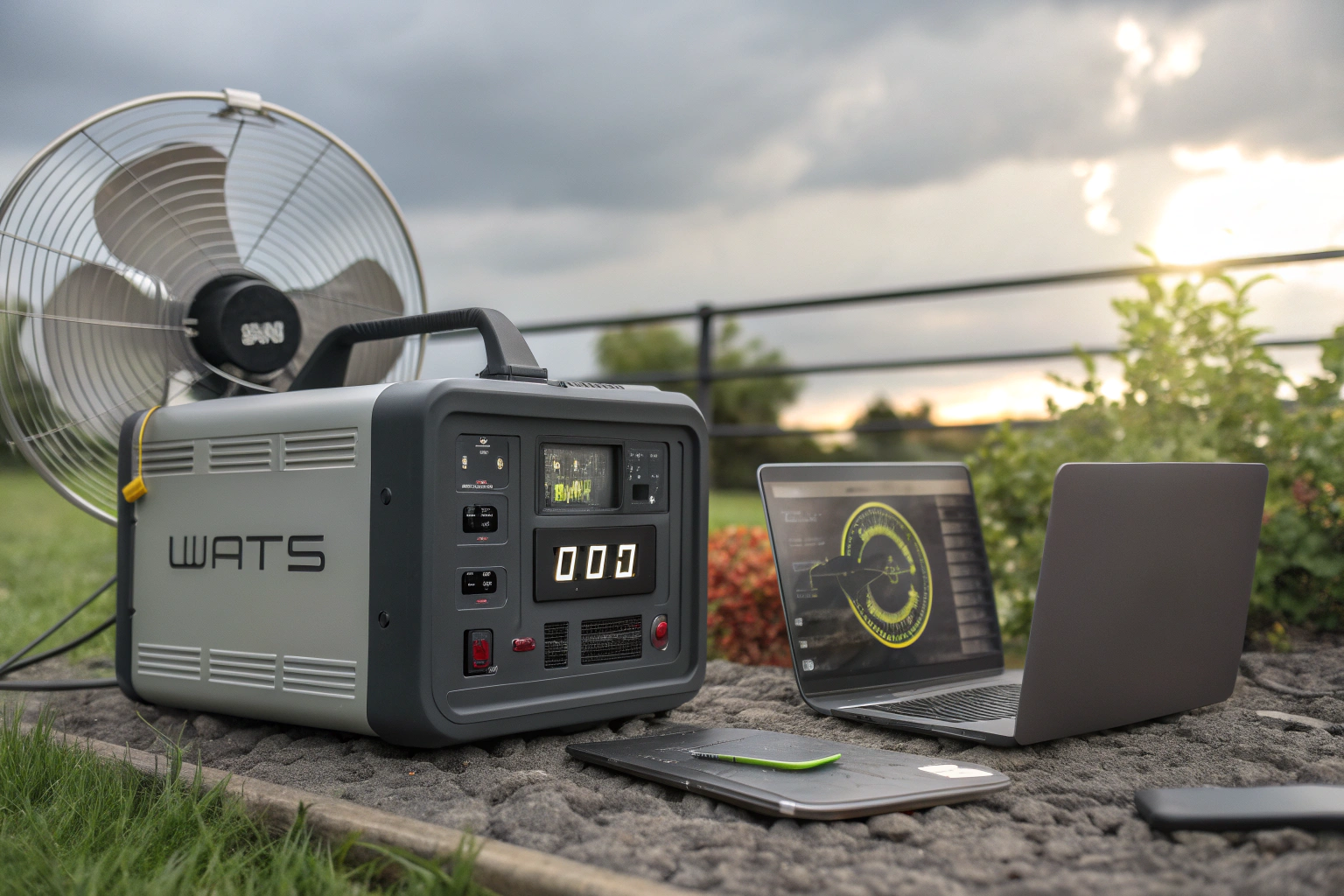
Watts (W) tell you how much power a station can supply at once. Watt-hours (Wh) tell you how long it can supply that power.
For example:
- A 1000W station can power devices that use up to 1000 watts at the same time
- A 1000Wh station can run a 100W device for 10 hours (1000 ÷ 100 = 10)
| Spec | Meaning | Why It Matters |
|---|---|---|
| Watts (W) | Instant power output | Must match or exceed your devices |
| Watt-hours (Wh) | Total stored energy | Tells you how long it lasts |
If you only look at watts, you might buy a unit strong enough to power a fridge—but not long enough to keep it running overnight.
How Do I Calculate the Size I Need?
Instead of guessing, you can calculate what you need based on your actual devices.
Add up the watts of the devices you want to power, then multiply by the number of hours you’ll use them. That gives you the watt-hours you need.
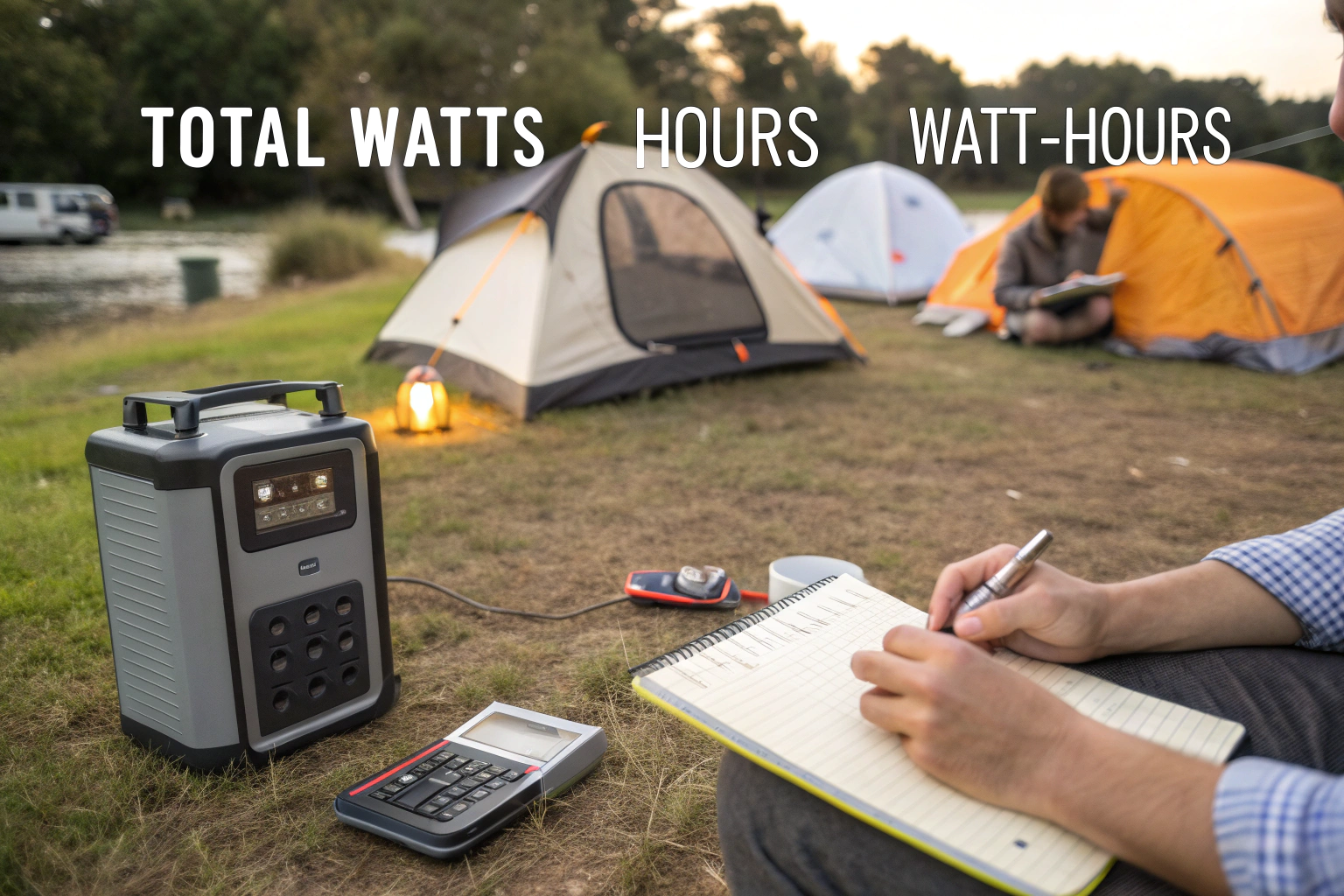
Here’s an example setup:
| Device | Power (W) | Usage Time (hrs) | Energy Need (Wh) |
|---|---|---|---|
| Smartphone charger | 10W | 4 | 40Wh |
| Laptop | 60W | 3 | 180Wh |
| LED Light | 10W | 5 | 50Wh |
| Mini Fridge | 65W | 12 | 780Wh |
| Total | 1050Wh |
In this case, you’d want at least a 1200Wh power station to cover 1050Wh with a 10–15% margin for inverter loss and battery safety.
I always recommend choosing a station that’s 20% bigger than your calculation—just to be safe.
What Size Works for Common Use Cases?
If you’re not sure what you need, here’s a quick guide to common power station sizes.
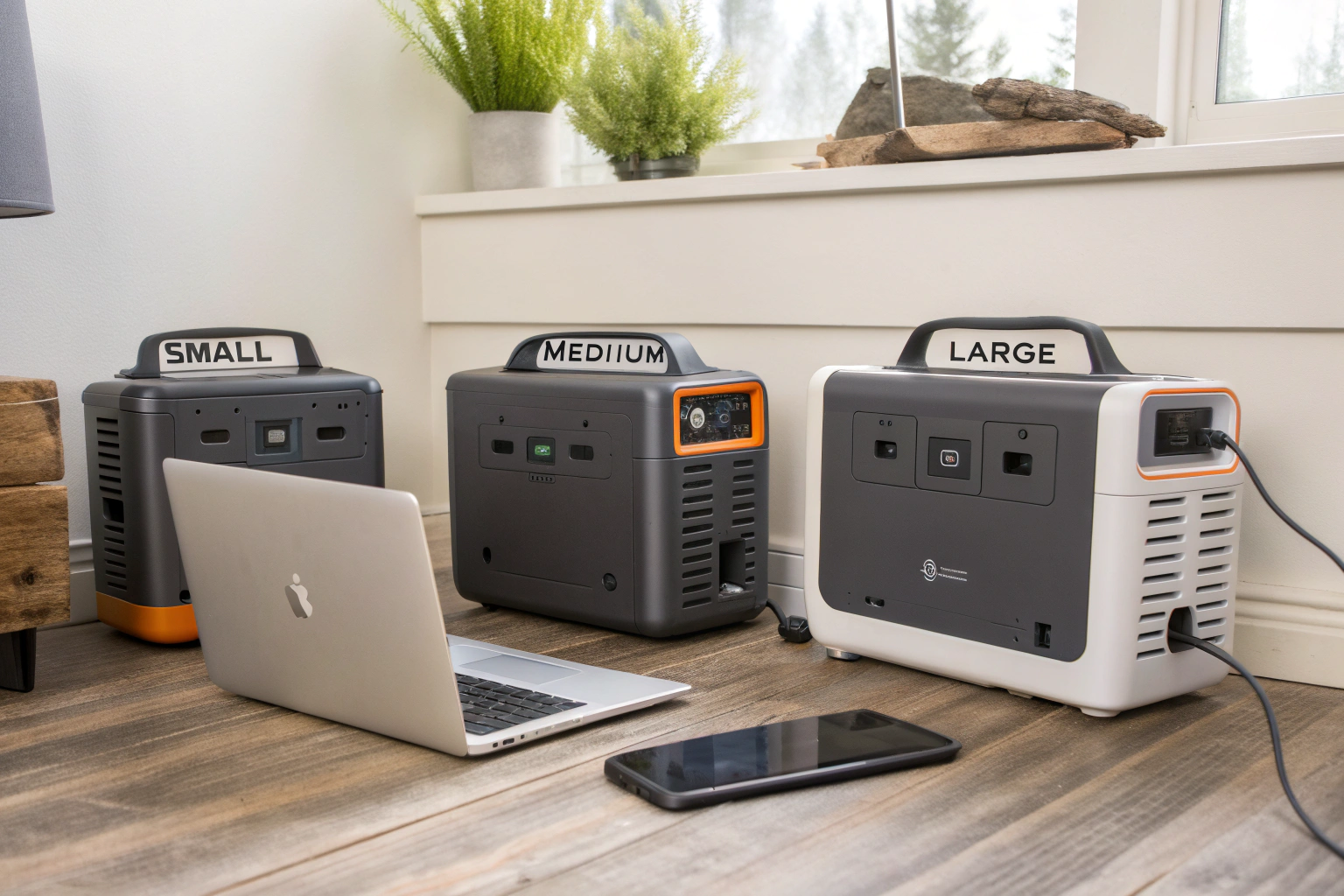
Small (200–500Wh), medium (500–1000Wh), and large (1000–3000Wh+) power stations each suit different needs—from light travel to full home backup.
 |
Size Category | Capacity Range | Best For |
|---|---|---|---|
| Small | 200–500Wh | Phones, cameras, lights, short camping trips | |
| Medium | 500–1000Wh | Laptops, fans, routers, CPAP, small fridges | |
| Large | 1000–3000Wh+ | Fridges, power tools, TV, long blackout prep |
For example:
- 300Wh: Great for a day hike or charging phones/lights overnight
- 800Wh: Can run laptops, fans, and LED lights for a full weekend
- 1500Wh: Covers a mini fridge, router, and some lights for 1–2 days
- 2400Wh+: Powers a fridge, fan, router, and lights for 3+ days or runs tools on-site
From my own use, a 1000Wh unit was perfect for weekend camping and storm prep—without being too bulky or expensive.
How Many Devices Can I Run at the Same Time?
It’s not just about capacity—you also need to check how much power you’re using at once.
Your devices’ total wattage must be less than your station’s output limit, or the system will shut down or overload.
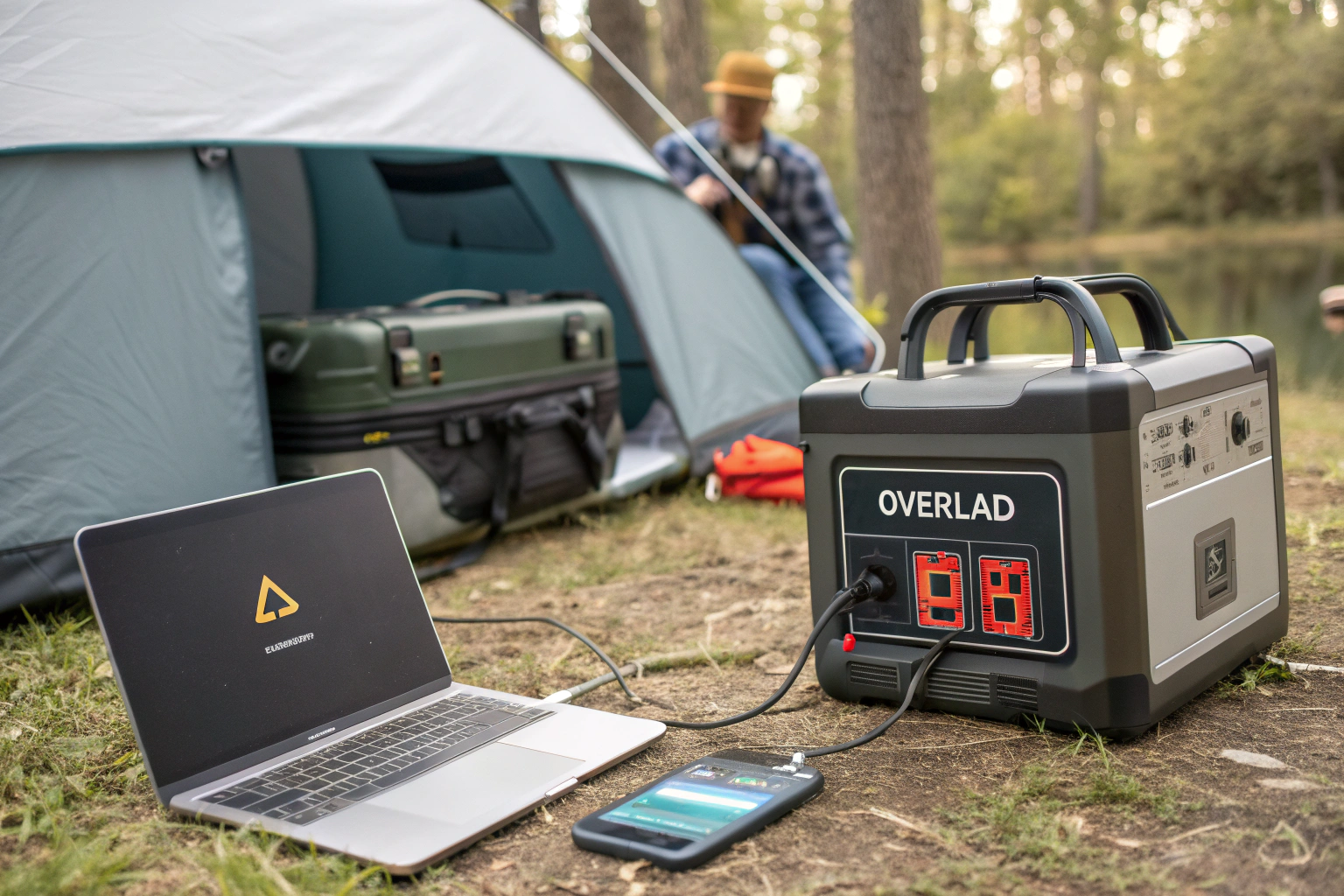
So even if you have a 2000Wh battery, you can’t run a 1500W hairdryer and a 900W coffee maker on a 1000W output inverter.
Use this checklist:
- Add up all device wattages used at the same time
- Make sure the total is under your power station’s rated output (W)
- If a device has a high starting wattage (like fridges or tools), check surge capacity
Many stations list “surge output” separately—it’s the short burst they can handle during startup loads. Always check that too.
Can I Expand My System Later?
Your power needs might grow—so what if your first station becomes too small?
Some portable power stations allow expansion with extra battery packs or solar panels, giving you more energy or faster recharge.
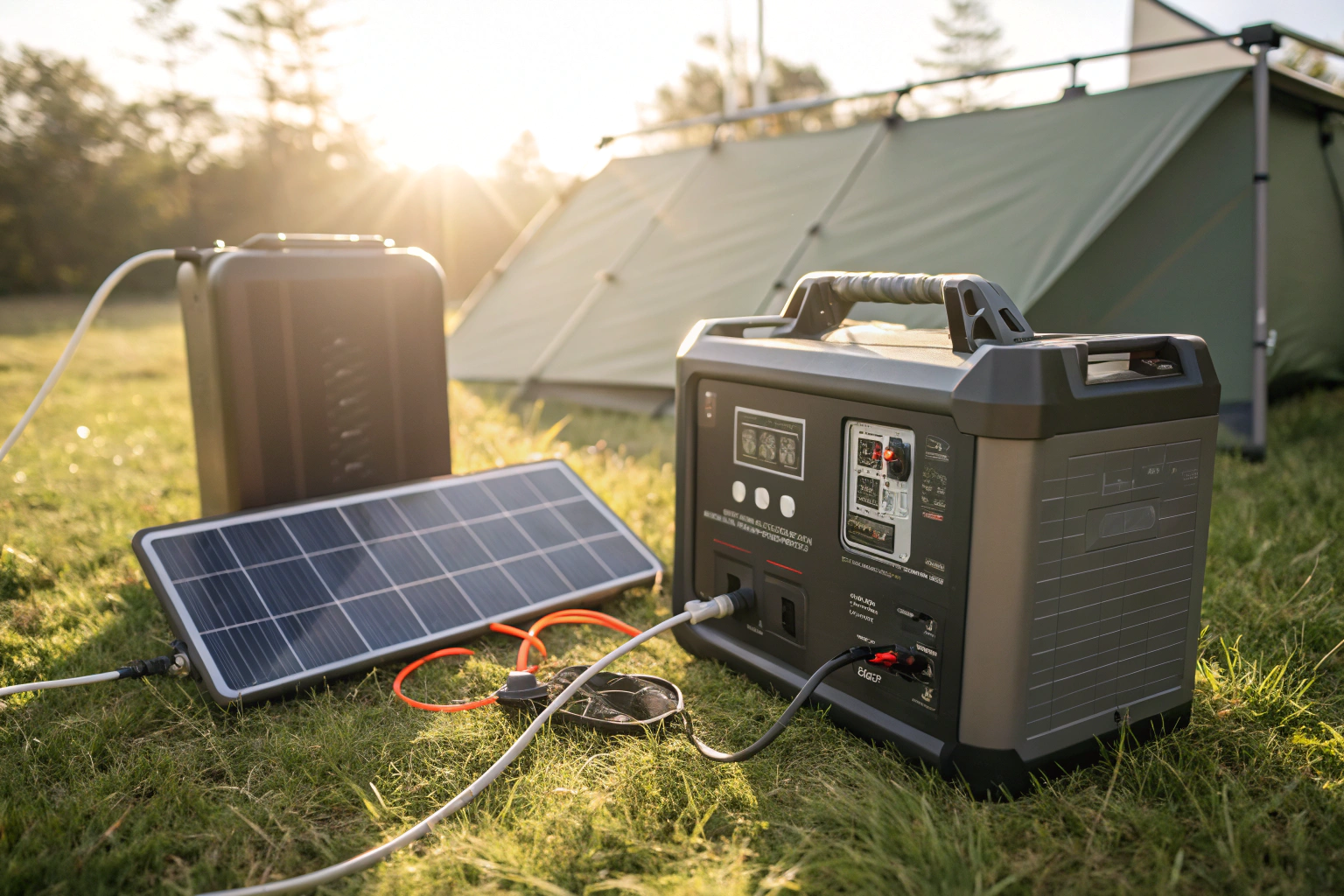
Look for models with:
- Expansion ports for battery add-ons
- High solar input limits for faster charging
- AC pass-through or UPS mode for home backup use
In my setup, I started with an 800Wh unit, then added a 200W solar panel. Eventually, I upgraded to a 2kWh system when I needed longer runtime.
Conclusion
To choose the right portable power station size, calculate your watt-hour needs based on the devices you’ll use and for how long. Start with your essentials, then pick a station with enough capacity and output to match—plus a little extra.