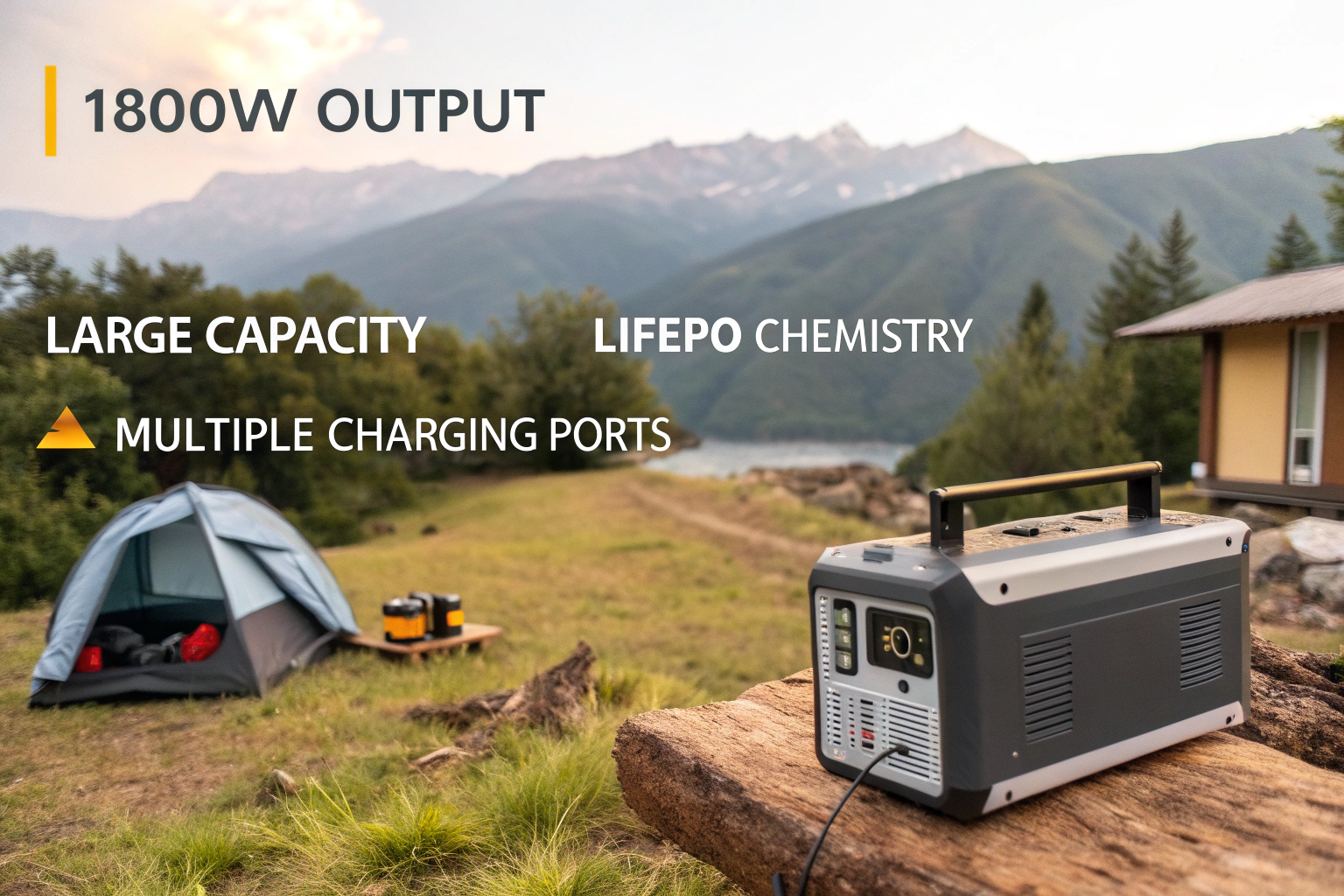
Not all lithium batteries are created equal—when safety, lifespan, and performance matter, LiFePO₄ stands out from the crowd.
People choose lithium iron phosphate (LiFePO₄) batteries because they are safer, longer-lasting, and more stable than traditional lithium-ion or lead-acid batteries, especially for energy storage.
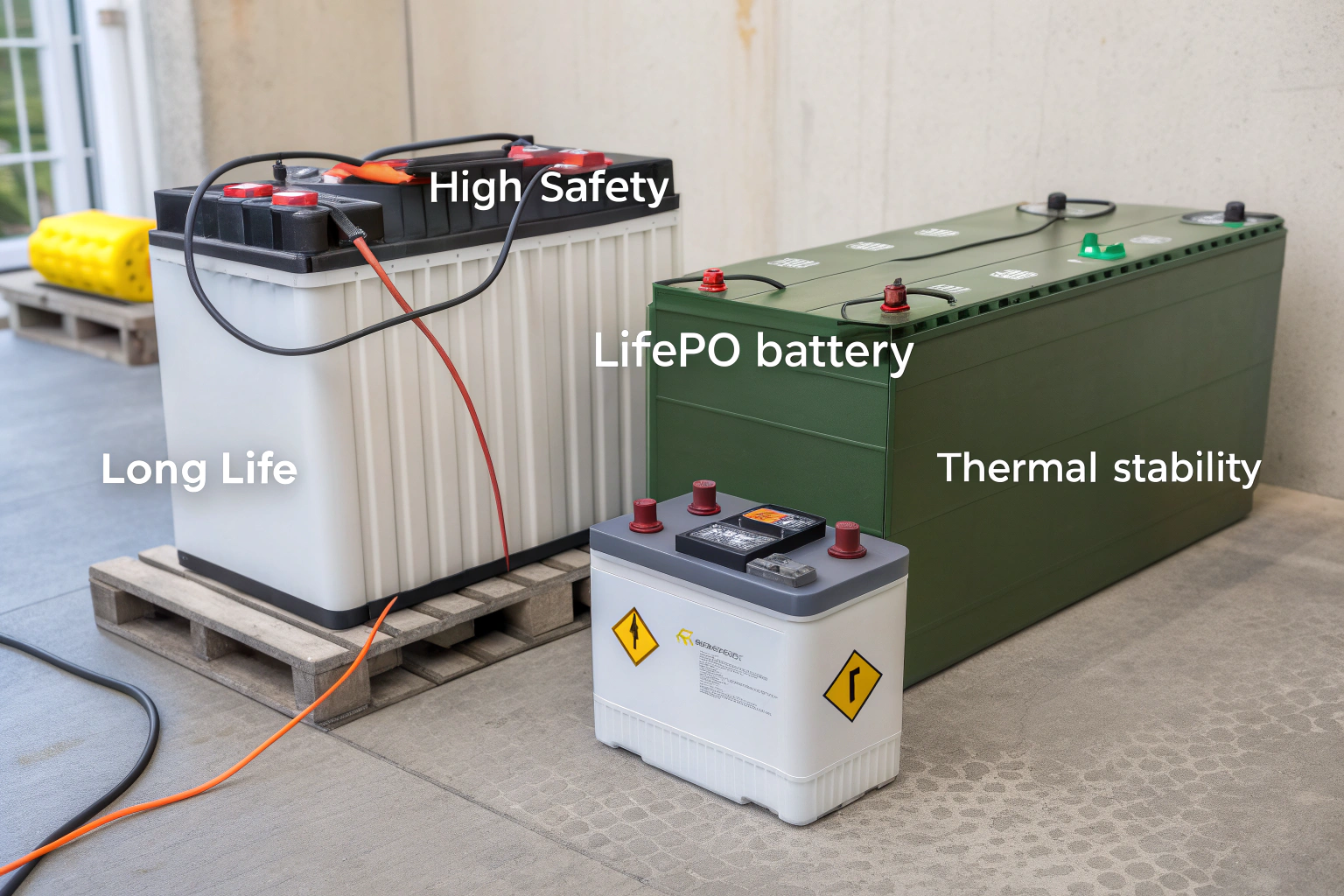
As more homes, businesses, and off-grid users adopt solar and backup energy systems, LiFePO₄ batteries have become a clear favorite. But what exactly makes them the smarter choice over older battery types?
Are LiFePO₄ Batteries Really Safer Than Other Options?
Battery safety isn’t a luxury—it's a requirement when storing power close to your home or equipment.
Yes, LiFePO₄ batteries are among the safest energy storage options available, with high thermal stability and almost zero risk of fire or explosion.
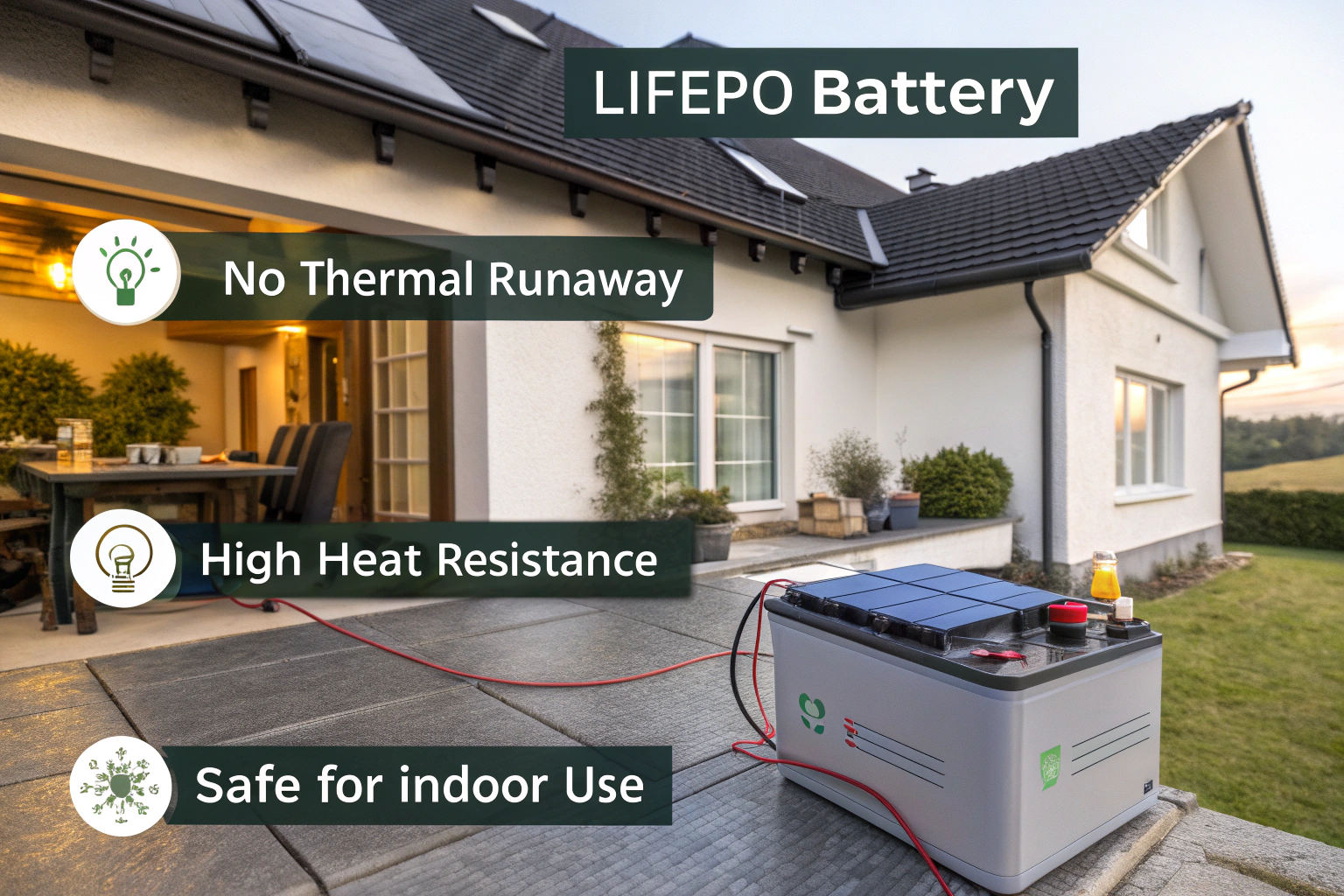
Unlike cobalt-based lithium batteries (like NMC or LCO), LiFePO₄ cells resist thermal runaway even under high temperatures or impact. That means they don’t catch fire or explode under stress. From solar installations to portable power stations, this chemistry is trusted in homes, RVs, and even hospitals for that reason.
| Safety Factor | LiFePO₄ | NMC/LCO Lithium | Lead-Acid |
|---|---|---|---|
| Fire Risk | Very Low | Moderate to High | Low |
| Thermal Stability | High | Moderate | Low |
| Indoor Safe Use | Yes | Needs care | Needs ventilation |
| Toxic Spill Risk | Minimal | Moderate | High |
This is why many solar storage manufacturers—and users like me—prefer LiFePO₄ when safety can't be compromised.
How Long Do LiFePO₄ Batteries Last?
Battery replacements are expensive and frustrating. No one wants to deal with that every few years.
LiFePO₄ batteries typically last over 3,000 cycles—about 10 years or more of regular use—making them one of the most durable battery types.
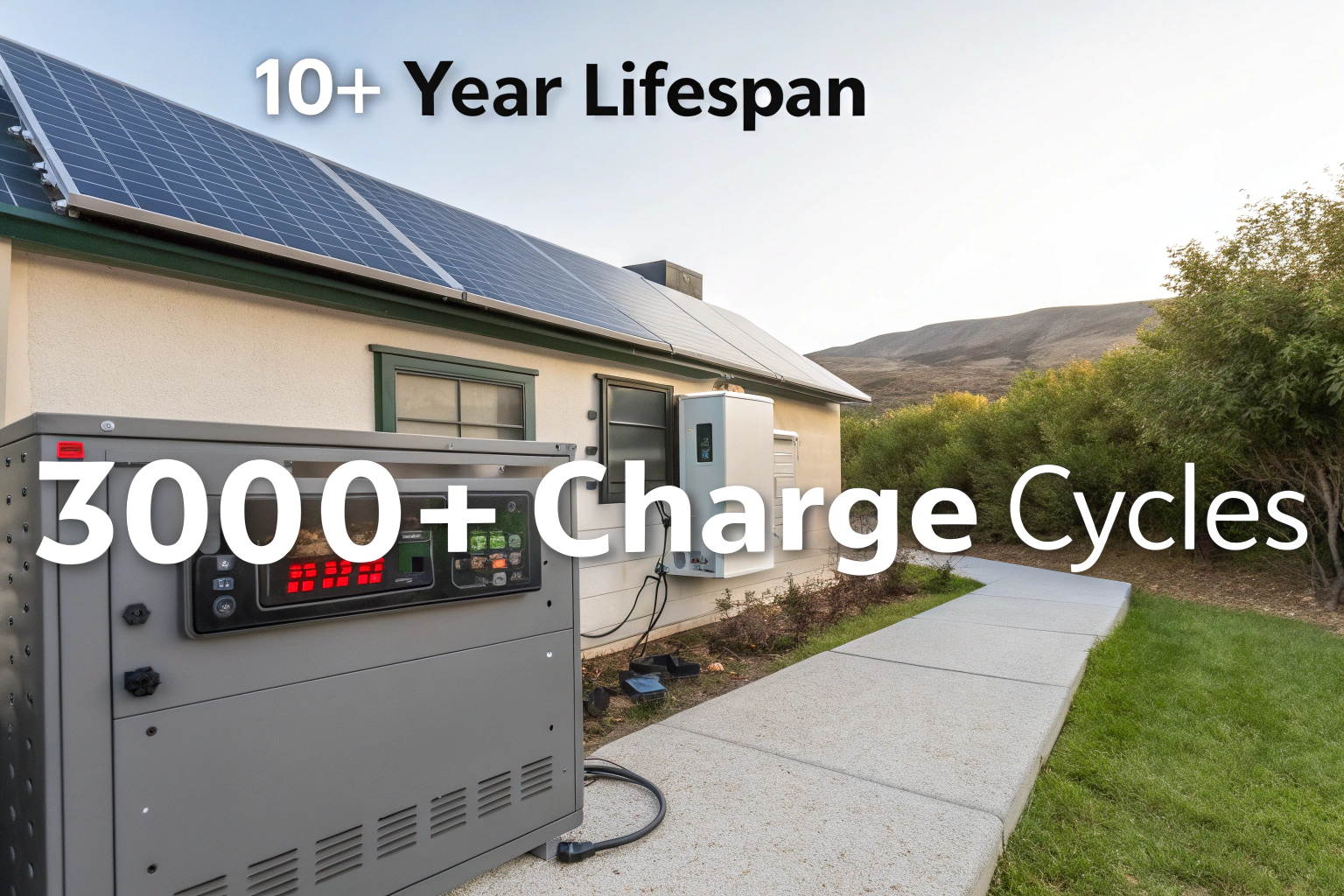
Each cycle is one full charge and discharge. Lead-acid batteries start to fail after just 300–500 cycles. Most lithium-ion batteries handle 500–1000. But LiFePO₄ can last 3000 to 5000+ cycles while still retaining 80% of their capacity.
| Battery Type | Average Lifespan | Cycle Count | Maintenance |
|---|---|---|---|
| Lead-Acid | 1–3 years | 300–500 | High |
| Lithium-Ion (NMC) | 2–5 years | 500–1000 | Moderate |
| LiFePO₄ | 8–12 years | 3000–5000+ | Low |
So while the upfront cost is higher, I always tell customers it's the smarter long-term choice.
Why Are LiFePO₄ Batteries So Popular for Solar and Off-Grid Use?
Solar energy is only as useful as your storage system. That’s why battery chemistry makes a huge difference.
LiFePO₄ batteries work extremely well with solar systems because they charge efficiently, store energy reliably, and perform consistently across seasons.
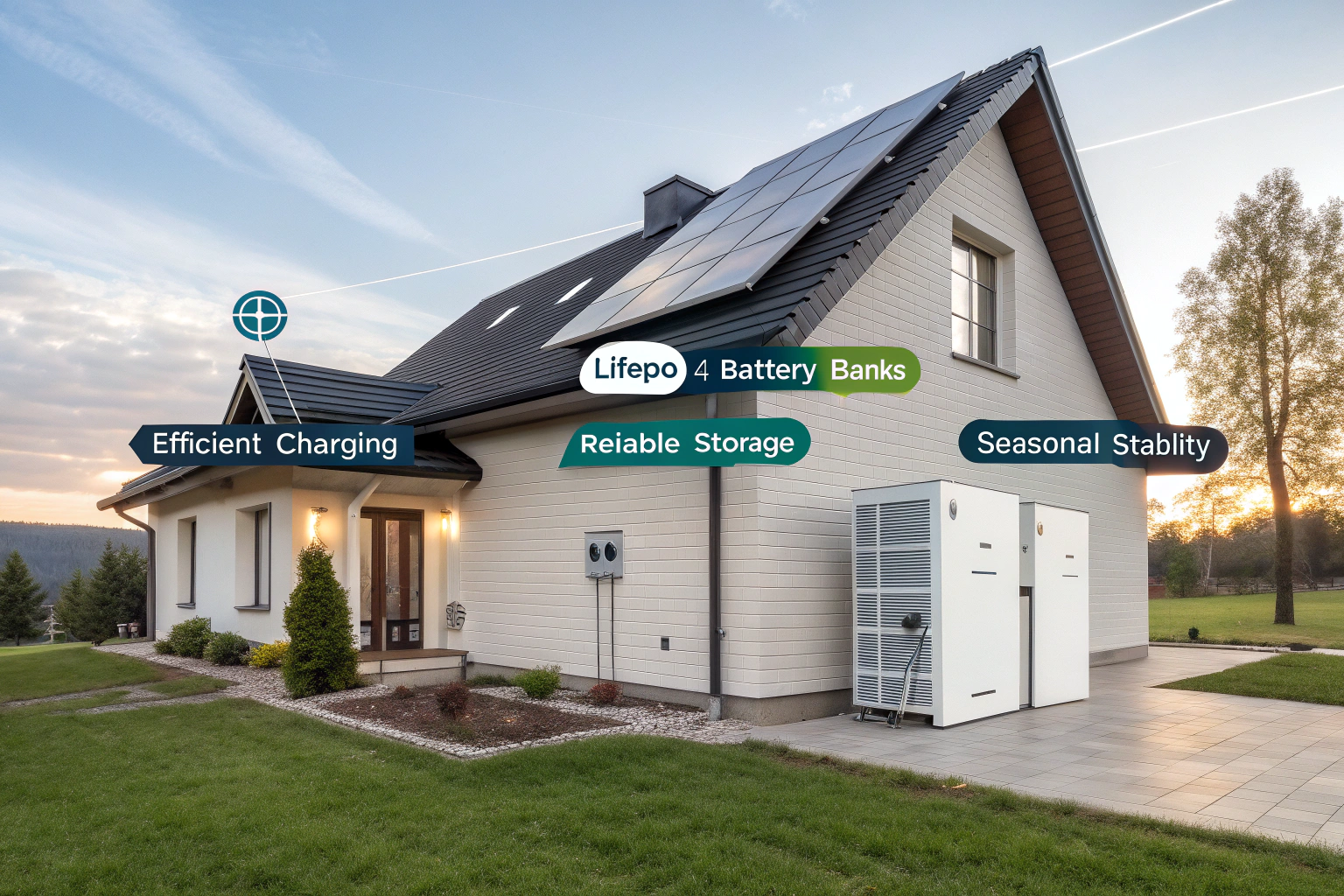
They have a flat voltage curve, which means they deliver steady power even as they discharge. They also accept high current for fast charging—important when sunlight is limited. I’ve seen them used in remote cabins, boats, and emergency power kits. In every case, they keep performing with minimal loss over time.
Their low self-discharge also means they can sit for weeks or months without losing charge—unlike other batteries that slowly drain even when not used.
Do LiFePO₄ Batteries Work Well in Harsh Conditions?
If you're using power outdoors or in unstable climates, battery reliability becomes a real concern.
Yes, LiFePO₄ batteries perform well in wide temperature ranges and are more stable in heat or cold than most other battery types.
From −20°C to 60°C, they maintain performance better than lead-acid and NMC batteries. In winter or desert heat, I’ve found they still work without slowing down or degrading. Some even include internal heaters for cold-weather charging.
| Feature | LiFePO₄ | Lead-Acid | Lithium NMC |
|---|---|---|---|
| Operating Temp Range | -20°C to 60°C | 0°C to 40°C | 0°C to 45°C |
| Cold Performance | Stable | Poor | Moderate |
| High Heat Resistance | Strong | Weak | Medium |
This makes them ideal for outdoor setups, RVs, or any mobile energy system.
Are LiFePO₄ Batteries Worth the Cost?
Upfront, they might seem expensive compared to lead-acid or even other lithium batteries. So is it worth it?
Yes, the higher upfront cost of LiFePO₄ batteries is balanced by longer lifespan, higher safety, and much lower total cost of ownership over time.
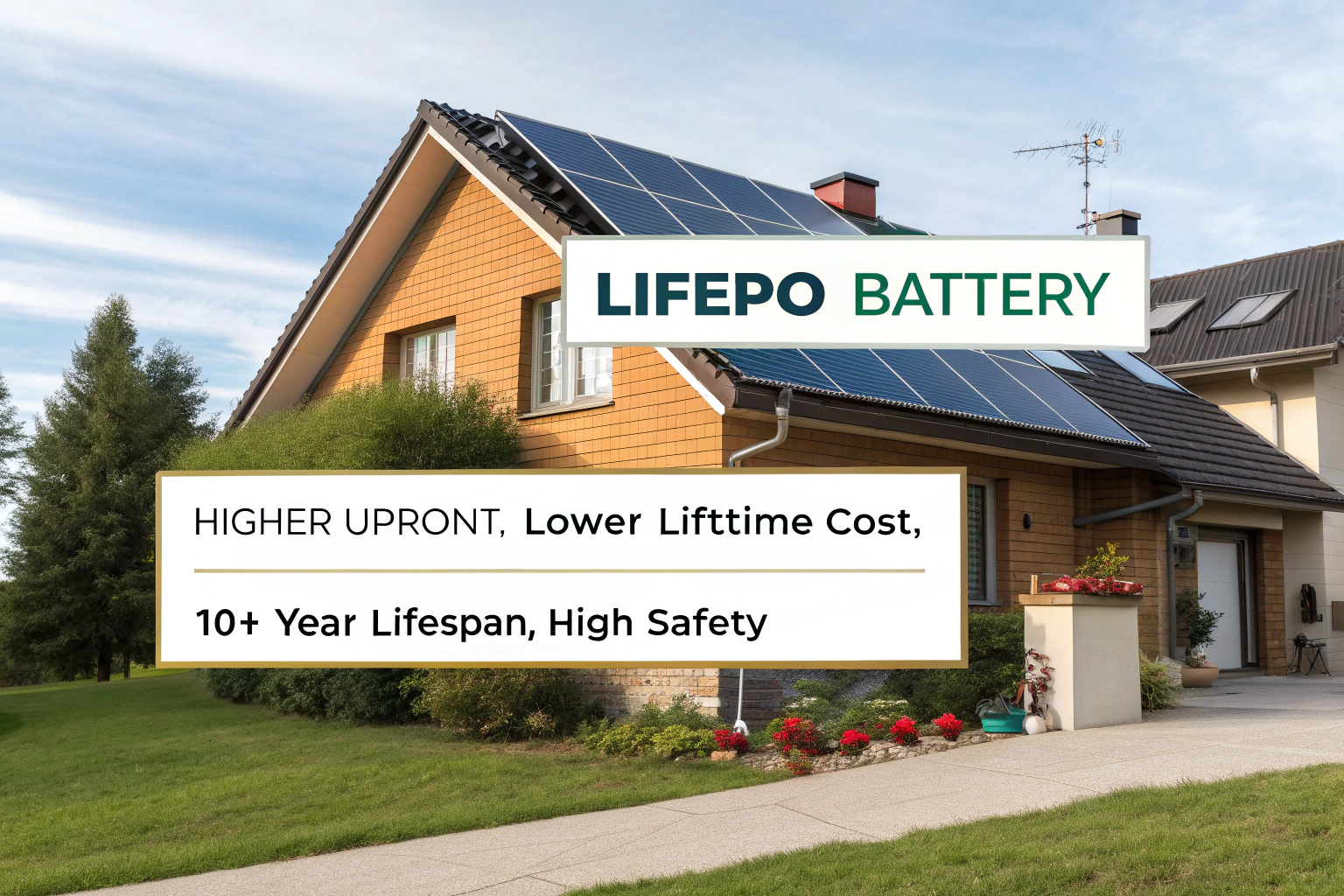
Let’s say a $400 lead-acid battery lasts 2 years. Over 10 years, you’ll buy 5 of them, spending $2,000. A $1,200 LiFePO₄ battery lasts the same 10 years—and gives better performance with fewer hassles.
| Battery Type | Initial Cost | Lifetime (Years) | Replacement Needed | Total Cost (10 yrs) |
|---|---|---|---|---|
| Lead-Acid | Low | 2 | 4–5 times | High |
| Lithium NMC | Medium | 3–5 | 2–3 times | Moderate |
| LiFePO₄ | Higher | 8–12 | None or Once | Lowest |
In every energy project I’ve worked on, those who chose LiFePO₄ ended up saving more and worrying less.
Conclusion
People choose lithium iron phosphate batteries because they want safe, long-lasting, low-maintenance energy storage. Whether for solar, backup, or portable power, LiFePO₄ delivers unmatched stability and peace of mind.