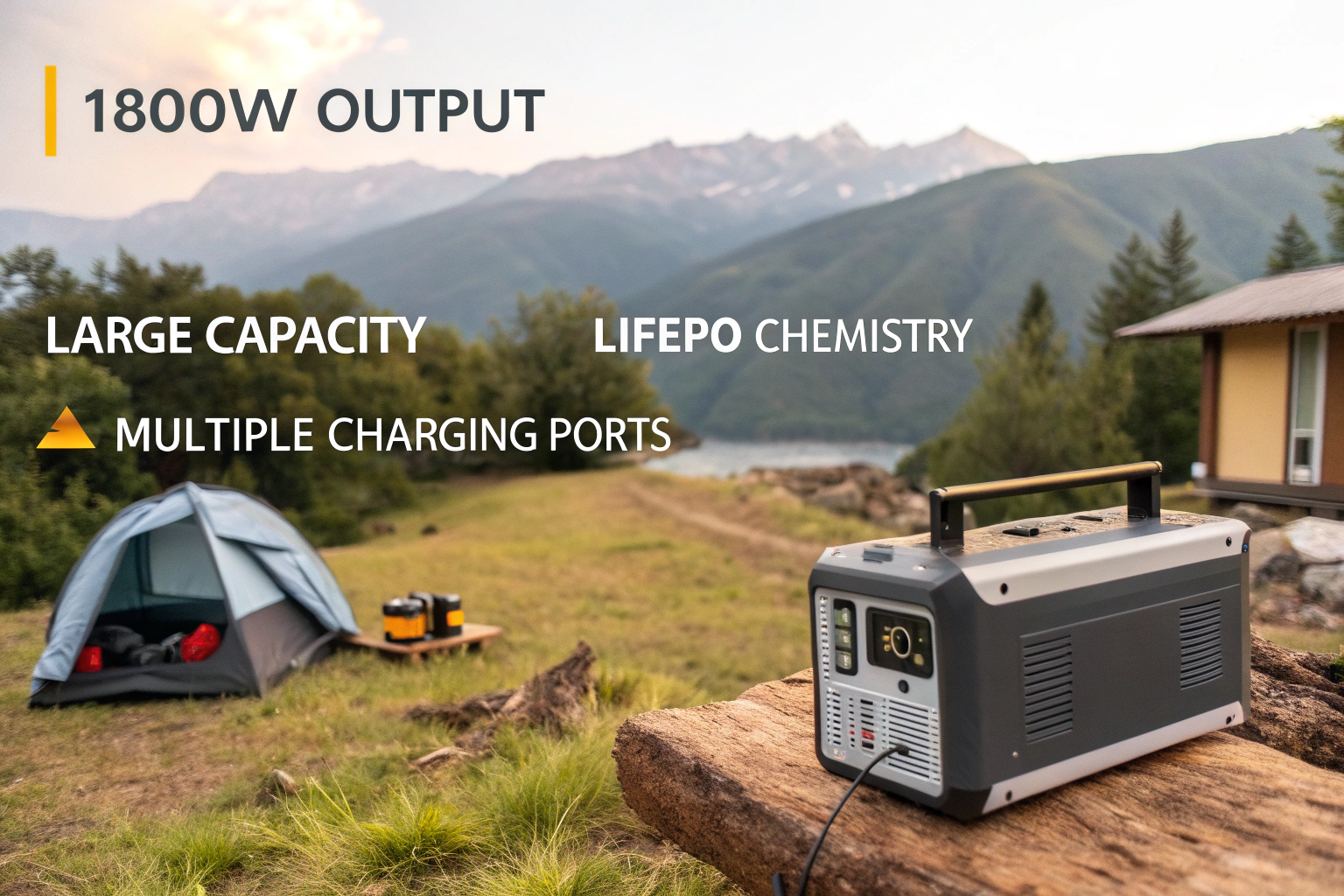
You want reliable, long-lasting energy without worrying about safety or performance—LiFePO4 batteries might just be the solution.
Yes, LiFePO4 batteries are among the best for energy storage due to their safety, lifespan, stability, and efficiency—especially for solar power, portable stations, and off-grid setups.

As demand for energy storage grows, people are looking beyond traditional lithium-ion batteries. LiFePO4 technology offers a strong mix of safety, durability, and performance. But how does it really compare? And when should you choose it?
What Makes LiFePO4 Batteries Different from Other Lithium Batteries?
All lithium batteries store power, but they don’t all work the same. That’s where chemistry comes in.
LiFePO4 (Lithium Iron Phosphate) batteries differ in structure and chemistry, making them safer, more stable, and longer-lasting than standard lithium-ion types like NMC or LCO.
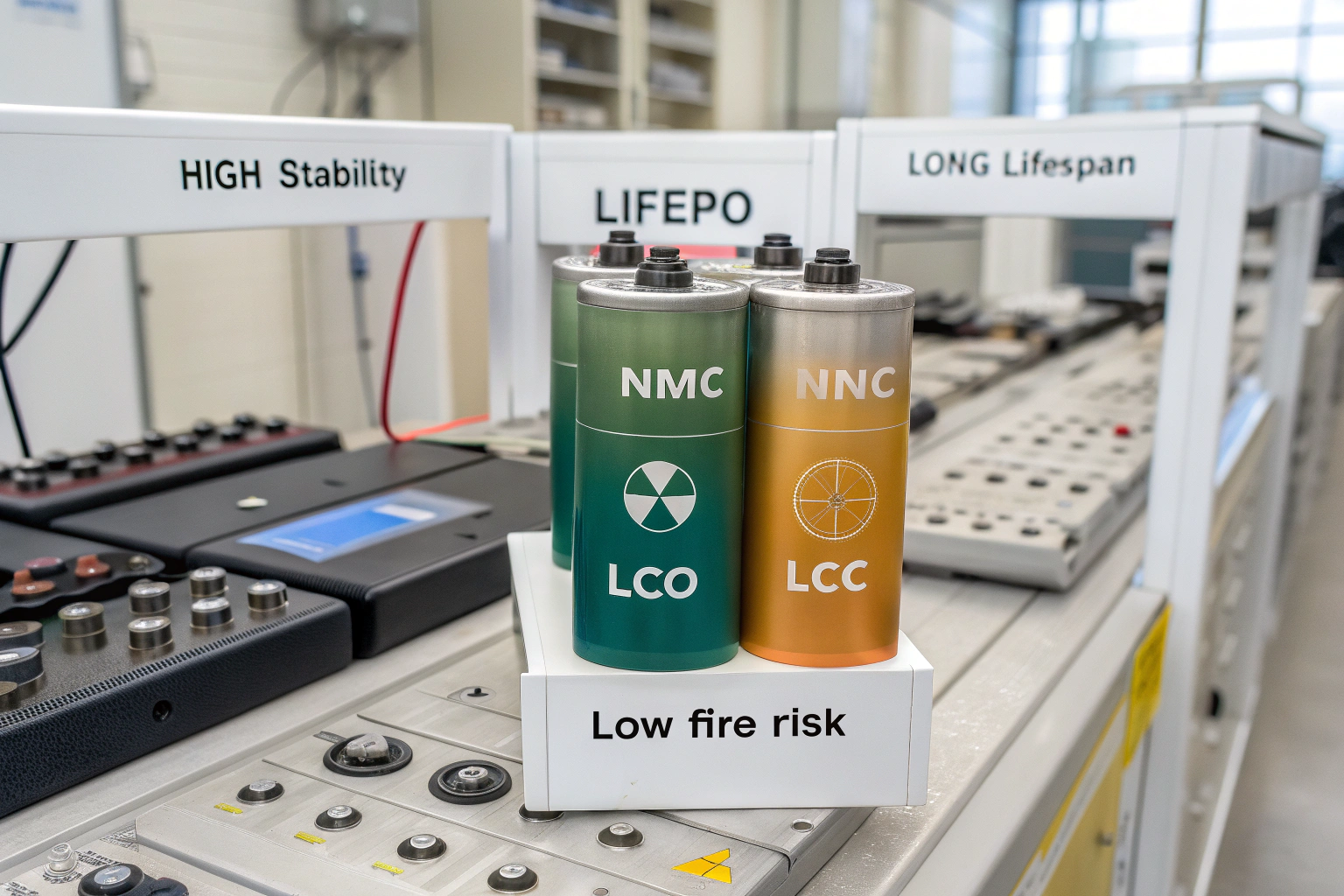
Let’s break it down simply. Most lithium batteries use cobalt-based materials. While powerful, they can overheat, catch fire, and degrade faster. LiFePO4 uses iron phosphate as the cathode material. This structure resists thermal runaway and allows more charge-discharge cycles. Here’s a comparison:
| Feature | LiFePO4 | Lithium-Ion (NMC, LCO) |
|---|---|---|
| Chemistry | Lithium Iron Phosphate | Lithium Nickel/Cobalt Oxide |
| Cycle Life | 2000–5000+ | 500–1000 |
| Operating Temp | -20°C to 60°C | 0°C to 45°C |
| Safety | Very High | Medium |
| Energy Density | Medium | High |
| Cost | Slightly Higher | Moderate |
So while they’re a bit heavier and more expensive, LiFePO4 batteries win on lifespan and safety—especially for storage you depend on.
Are LiFePO4 Batteries Safe for Indoor and Outdoor Use?
Safety is always a concern when storing energy. Especially if you're keeping power near your home or using it outdoors.
Yes, LiFePO4 batteries are one of the safest types available. They don’t overheat easily, resist fire, and work in wide temperature ranges, making them ideal for both indoor and outdoor use.
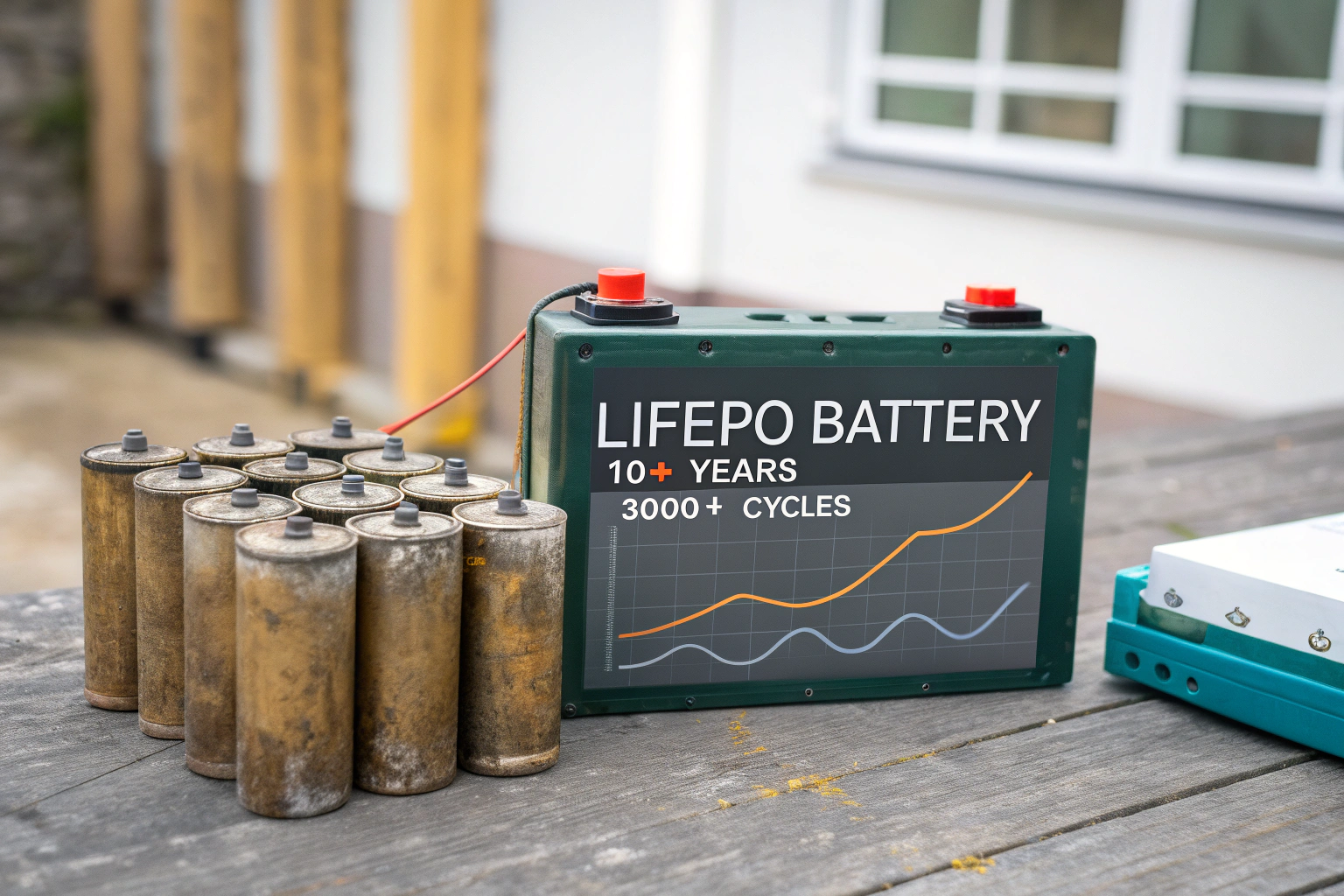
From what I’ve seen in real-world use, they stay cool under pressure. Unlike some batteries that swell or catch fire if damaged, LiFePO4 cells remain stable even when punctured or short-circuited. That’s why they’re common in solar systems, electric vehicles, and portable power stations.
Plus, they work well from freezing cold to extreme heat, so whether you're powering a remote cabin or storing energy for emergencies, they stay reliable.
For families or businesses looking for safe, maintenance-free energy storage, I always recommend this type.
How Long Do LiFePO4 Batteries Really Last?
We all want long-term value. But how long can one battery actually work before needing a replacement?
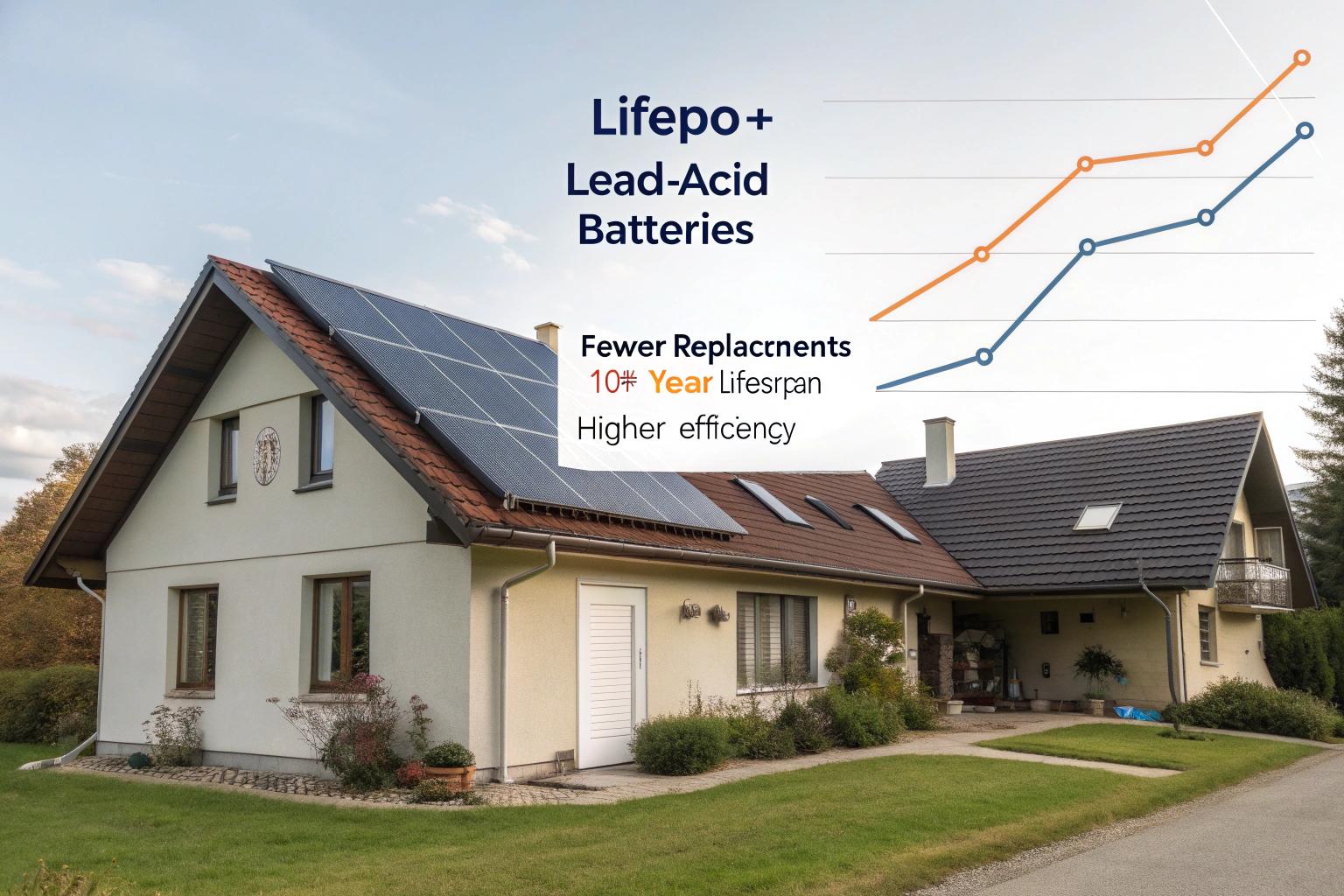
LiFePO4 batteries can last over 10 years or 3000+ cycles with proper use—far longer than traditional lithium-ion or lead-acid options.
Think about it this way: one cycle is one full charge and discharge. Most lead-acid batteries last around 300-500 cycles. Lithium-ion ones stretch to 1000. LiFePO4? You’re looking at 3000 to 5000 cycles—sometimes more. That means if you use it daily, it can easily last 8 to 10 years or longer.
| Battery Type | Average Cycles | Lifespan (Daily Use) |
|---|---|---|
| Lead-Acid | 300–500 | 1–2 years |
| Lithium-Ion (NMC) | 500–1000 | 2–3 years |
| LiFePO4 | 3000–5000+ | 8–12 years |
This makes them a smart long-term investment. You pay more upfront, but save money and effort over time by avoiding replacements.
Is LiFePO4 the Best for Solar and Off-Grid Storage?
If you're storing solar power, especially for a cabin, RV, or off-grid setup, your battery has to be reliable and self-sufficient.
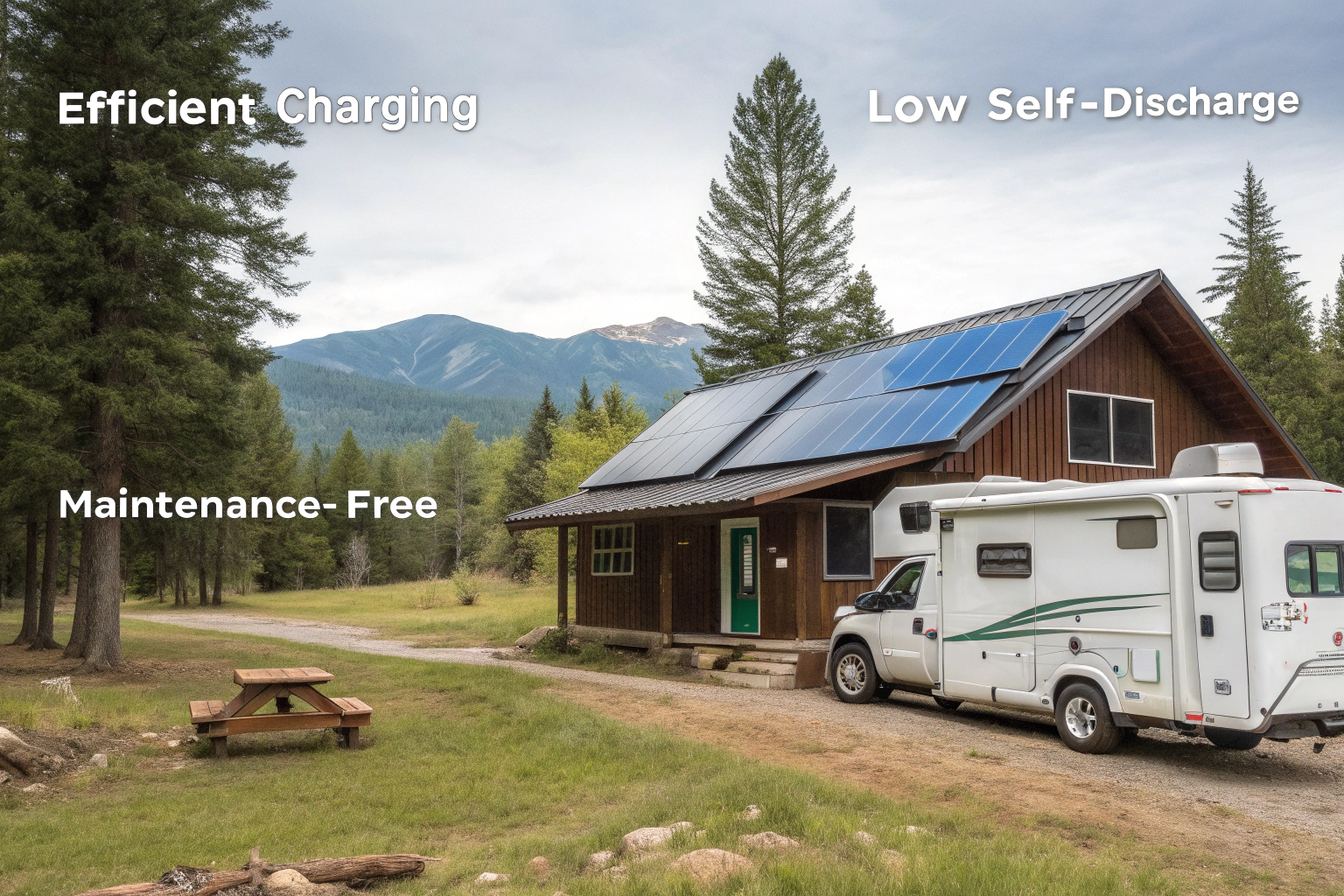
LiFePO4 batteries are perfect for solar and off-grid storage because they charge efficiently, lose little power when idle, and require no maintenance.
They charge fast, which matters when sunlight is limited. Their low self-discharge rate means they stay ready even after weeks of sitting idle. And you don’t need to top off water or worry about venting gas like with lead-acid batteries.
I've used them in both portable solar generators and permanent setups. Whether it's a small foldable panel or a rooftop array, the battery pairs easily and works quietly. Even after hundreds of charges, I still get nearly full capacity.
This makes LiFePO4 batteries a go-to for anyone living remotely, traveling in an RV, or setting up home backup power.
Are They Worth the Higher Price?
It’s no secret—they’re not the cheapest. So is it really worth spending extra?
Yes, LiFePO4 batteries cost more upfront but save more over time through longevity, fewer replacements, and greater energy efficiency.
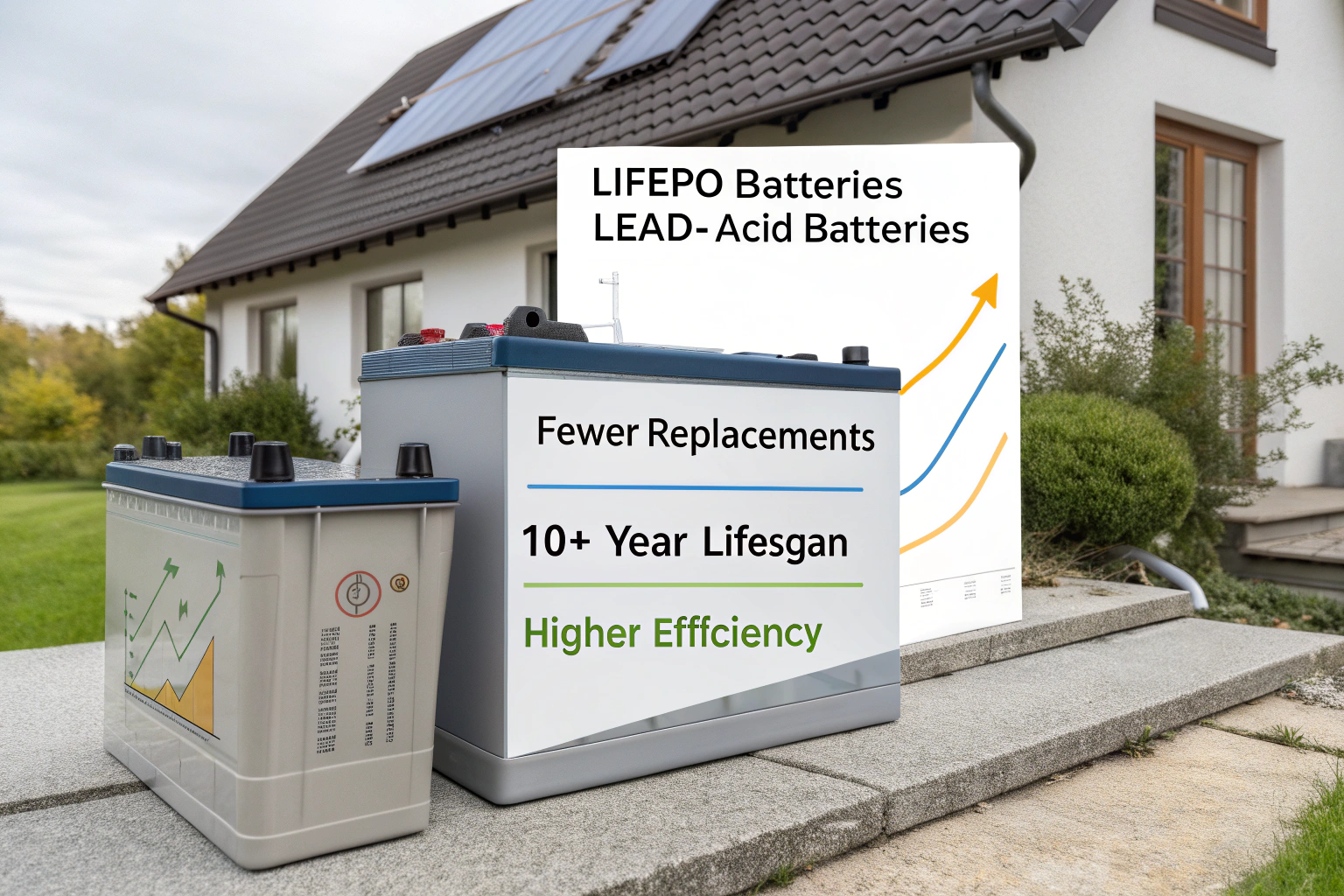
Let’s do the math. A cheap battery might save $100 at first but need replacing in 2 years. A LiFePO4 battery lasts 8–10 years or longer with no maintenance. That’s less downtime, less waste, and fewer worries.
| Cost Category | Traditional Lithium | LiFePO4 |
|---|---|---|
| Initial Cost | Lower | Slightly Higher |
| Replacement Cycle | 2–3 times in 10 years | None |
| Maintenance | Sometimes Required | None |
| Long-term Value | Moderate | High |
For critical storage or long-term use, I always choose quality over short-term savings. In this case, LiFePO4 is the better deal.
Conclusion
LiFePO4 batteries are one of the best energy storage options available today. They’re safer, last longer, work better with solar, and offer real value over time. If you need dependable, clean power, they’re hard to beat.